Pellets, seed blends, and fortified mixes all claim to cover a parrot’s nutritional needs, but the right choice depends on your bird’s species, age, and eating habits. We tested three widely available options – ZuPreem FruitBlend Pellets, Higgins Vita Seed Natural Blend, and Kaytee Nut & Fruit Wild Bird Seed – to see which ones actually deliver balanced nutrition without excess fillers. Below is what sets each apart, from ingredient quality to how well picky eaters took to them.
Quick Comparison
| # | Product | Key Features | Score | |
|---|---|---|---|---|
| 1 |
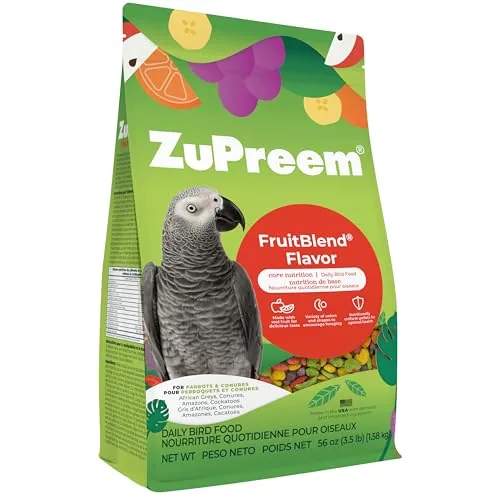 ZuPreem FruitBlend Pellets for Parrots & Conures 3.5lb |
|
8.0 ★★★★☆ | Check Price on Amazon Read full review ↓ |
| 2 |
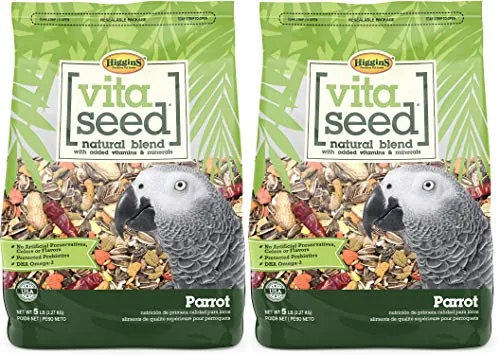 Higgins Vita Seed Natural Blend Parrot Food 2-Pack |
|
7.8 ★★★★☆ | Check Price on Amazon Read full review ↓ |
| 3 |
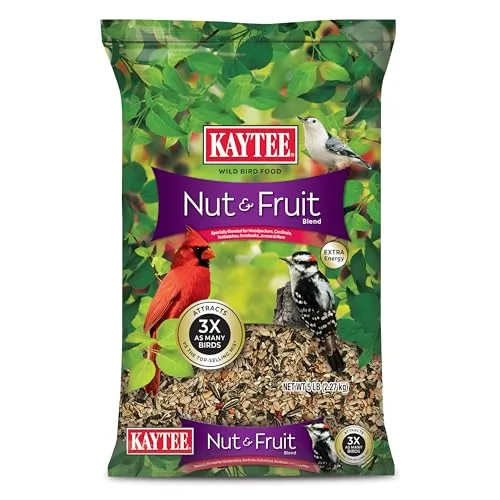 Kaytee Nut & Fruit Wild Bird Seed 5 lb |
|
7.8 ★★★★☆ | Check Price on Amazon Read full review ↓ |
| 4 |
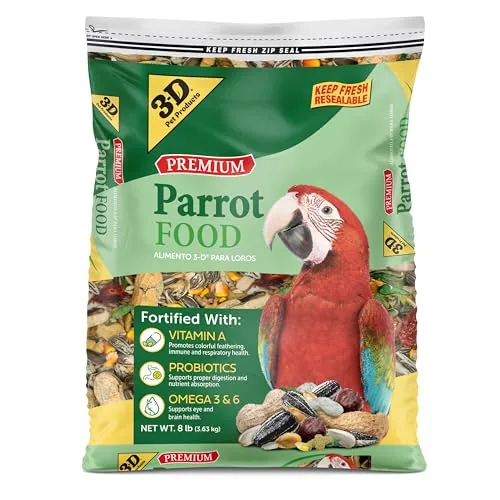 3-D Pet Products Premium Parrot Seed Mix, Large Birds |
|
7.8 ★★★★☆ | Check Price on Amazon Read full review ↓ |
| 5 |
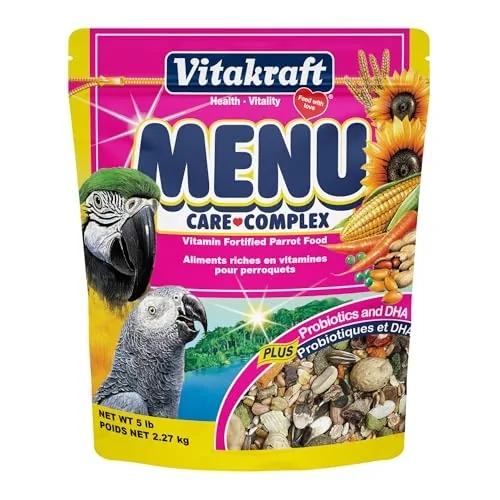 Vitakraft Menu Parrot Food 5 lb Seed Blend |
|
7.6 ★★★★☆ | Check Price on Amazon Read full review ↓ |
| 6 |
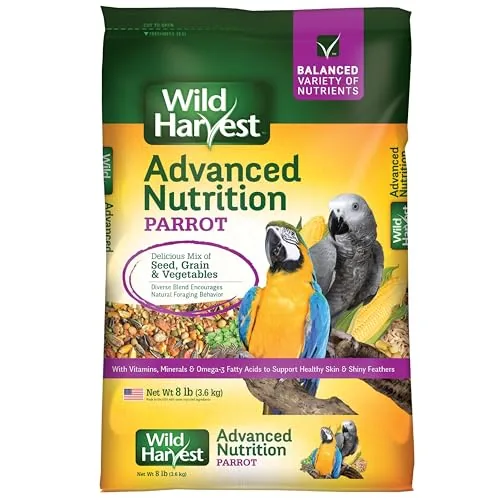 Wild Harvest Advanced Nutrition Parrot Food 8 lbs |
|
7.2 ★★★☆☆ | Check Price on Amazon Read full review ↓ |
| 7 |
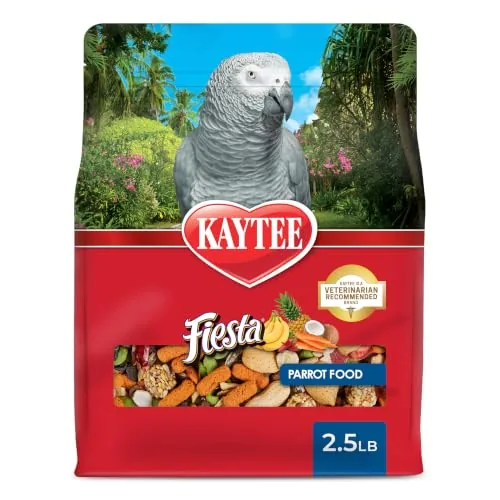 Kaytee Fiesta Parrot Food, Large Bird Seed Mix 2.5 lb |
|
7.2 ★★★★☆ | Check Price on Amazon Read full review ↓ |
| 8 |
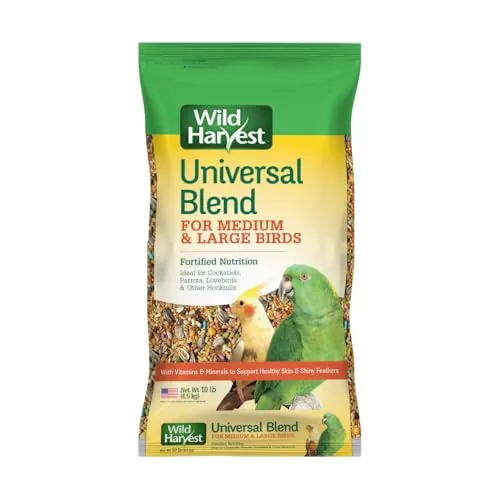 Wild Harvest Universal Blend Seed Mix, 10 lbs |
|
7.2 ★★★★☆ | Check Price on Amazon Read full review ↓ |
A fruit-flavored pellet diet sized for medium to large parrots like African Greys, Eclectus, and small cockatoos. The varied pellet shapes and real fruit flavoring target birds that refuse plain seed or pellet mixes.
Key Features
- Formulated for medium to large parrots and conures
- Multiple pellet shapes and colors for enrichment
- Supports cardiovascular, liver, and feather health
- Flavored with real banana, apple, orange, and grape
- Designed to replace or reduce seed-based diets
✅ Pros
- Strong acceptance rate even with picky eaters, according to owner reports
- Uniform pellet size reduces selective eating common with seed mixes
- Covers core nutrients without requiring separate vitamin supplements
- Resealable bag size works well for single-bird households
❌ Cons
- Fruit flavoring adds natural sugars, so portion control matters for less active birds
- Some birds raised on seed will need a gradual transition period to accept pellets
Why We Chose It
This formula solves the common problem of birds refusing plain pellets by adding real fruit flavor without turning the food into a seed-heavy treat. The sizing is specifically matched to medium and large parrot species, which avoids the choking or waste issues that come with one-size-fits-all pellet bags.
Perfect For
Owners of African Greys, Eclectus, conures, or small cockatoos who need a primary pellet diet their bird will actually eat consistently.
This is a natural seed blend formulated for parrots, sold as two 5-pound bags for 10 pounds total. It contains no artificial colors or preservatives, making it a straightforward staple diet for medium to large pet birds.
Key Features
- Natural seed blend with no artificial preservatives
- Formulated for parrots and similar large birds
- Sold as two 5-pound bags, 10 pounds total
- No added artificial colors
✅ Pros
- Bulk 10-pound quantity reduces how often you need to reorder
- Natural formula avoids artificial dyes and preservatives
- Resealable bag design helps maintain freshness between feedings
- Works well as a base diet for African greys, Amazons, and similar parrot species
❌ Cons
- Seed-only blends lack the balanced nutrition of pelleted diets and may need supplementing with fresh produce
- Some birds will selectively eat preferred seeds and waste the rest
Why We Chose It
Higgins has a long track record in the bird food space, and this blend sticks to simple, recognizable ingredients without artificial additives. The 10-pound total across two bags makes it practical for owners with multiple birds or a single bird that eats through food quickly.
Perfect For
Owners of medium to large parrots who want a natural, no-frills seed diet without paying for small bag sizes repeatedly.
A nut and fruit seed blend built to pull in cardinals, chickadees, nuthatches, and woodpeckers. The mix of sunflower seeds, peanuts, raisins, and cherries gives backyard birds a high-energy food source that keeps them returning to the feeder.
Key Features
- Blend formulated to attract a variety of songbirds
- High energy content to encourage repeat feeder visits
- Mix includes sunflower seeds, peanuts, nuts, raisins, cherries
- Appeals to cardinals, chickadees, nuthatches, grosbeaks, juncos, woodpeckers
- Made by Kaytee, a bird food brand since the 1800s
✅ Pros
- Attracts a wide range of common backyard songbirds
- Fruit and nut content gives birds a calorie-dense food source
- No fillers like milo or wheat that birds typically pick around
- Works in hopper, platform, or tray feeders
❌ Cons
- Higher cost per pound than basic seed mixes
- Shells and fruit pieces can create more feeder mess than plain seed
Why We Chose It
This blend stands out for skipping cheap filler grains and loading up on sunflower seeds, peanuts, and dried fruit that birds actually eat. That ingredient list translates to less waste on the ground and more consistent feeder traffic from species like cardinals and woodpeckers.
Perfect For
Backyard bird watchers who want to draw a wider variety of species than a standard seed mix typically attracts.
This fortified seed blend is built for large parrots, cockatoos, and macaws, combining a varied seed mix with added vitamins and amino acids. It skips artificial preservatives in favor of natural digestive support, making it a solid daily feed option for owners who want more than a plain seed bag.
Key Features
- Premium seed blend formulated for large parrot species
- Fortified with vitamins, chelated minerals, and amino acids
- Contains Lactobacillus and beta-carotene for digestion and immunity
- Free of artificial additives and chemical preservatives
✅ Pros
- Fortification adds nutrients often missing from basic seed mixes
- No artificial preservatives or chemical additives
- Includes probiotics for digestive support
- Suitable for multiple large bird species, reducing need for separate feeds
❌ Cons
- Seed mixes allow selective feeding, so birds may pick out favorite pieces and skip others
- Should be paired with fresh produce, not used as a sole diet
Why We Chose It
The added amino acids, chelated minerals, and probiotics set this apart from basic seed blends that offer little beyond calories. It targets the specific nutritional gaps common in large parrot diets without relying on synthetic preservatives.
Perfect For
Owners of macaws, cockatoos, and other large parrots who want a nutrient-improved seed mix as part of a varied daily diet.
A fortified seed, grain, fruit, and vegetable mix designed as a daily base diet for parrots. The variety of textures and flavors encourages foraging behavior, and the resealable bag keeps the mix fresh between feedings.
Key Features
- Seed, grain, fruit, and vegetable blend for daily feeding
- Fortified with Vitamin A, D3, and E for feather color
- Added calcium supports beak strength and bone density
- Mixed textures encourage natural foraging and reduce boredom
- Formulated by a long-established pet nutrition company
✅ Pros
- Wide ingredient variety keeps parrots engaged at mealtime
- Added vitamins and calcium support feathers, beak, and bones
- Resealable bag helps maintain freshness after opening
- Encourages foraging behavior instead of passive eating
- Priced reasonably at roughly $3.20 per pound
❌ Cons
- Seed mixes allow selective eating, so parrots may pick out favorite pieces and skip others
- Not a complete pelleted diet, so it works best alongside fresh produce or pellets
Why We Chose It
This mix stands out for combining seeds, grains, fruit, and vegetables with added vitamins and calcium rather than offering plain seed. The variety supports foraging instinct, which matters for parrots prone to boredom-related behaviors. At under $16 for 5 pounds, it is priced in line with other mid-range seed blends.
Perfect For
Owners feeding a mixed diet who want a fortified, foraging-friendly seed blend rather than a sole pelleted food.
A seed, grain and vegetable blend formulated for small to large parrots, with added vitamins and Omega-3s for skin and feather health. The mix includes sunflower seeds, millet, peanuts and oat groats to mimic foraging behavior seen in the wild.
Key Features
- Blend of seeds, grains and vegetables for balanced nutrition
- Added vitamins, minerals and Omega-3 fatty acids
- Mix of corn, oat groats, sunflower seeds, millet and peanuts
- Feeding guide: 1/4 to 3/4 cup daily by bird size
- Part of Wild Harvest’s broader parrot product line
✅ Pros
- Affordable price per pound compared to premium pellet diets
- Ingredient variety encourages natural foraging behavior
- Includes Omega-3s for skin and feather support
- Clear feeding portions listed for different parrot sizes
❌ Cons
- Seed mixes allow selective eating, so birds may pick high-fat favorites like sunflower seeds and peanuts and skip the rest
- Not a complete pelleted diet, so it works best as part of a varied feeding plan rather than the sole food source
Why We Chose It
This blend stands out for its ingredient variety and low cost per pound, making it a reasonable base diet for owners who supplement with fresh vegetables. The inclusion of Omega-3s addresses a common gap in basic seed mixes.
Perfect For
Owners of small to large parrots who want an affordable seed-based diet to supplement with fresh produce and pellets.
A seed and grain blend with dried fruit and vegetable pieces designed for large parrots like macaws, amazons, and cockatoos. Mixed shapes and textures encourage birds to forage through their food instead of just cracking seeds. Works best as a supplement to a pelleted diet rather than a sole food source.
Key Features
- Mixed shapes and textures encourage natural foraging behavior
- Blend of grains, seeds, fruit, and vegetable pieces
- Contains added omega-3s, probiotics, and prebiotics
- Formulated to support skin and feather condition
- Made by a company with over 150 years in pet food
✅ Pros
- Variety of textures keeps large parrots mentally engaged at feeding time
- Real fruit and vegetable pieces like pineapple and carrot add flavor variety
- Added probiotics and omega-3s support digestion and feather quality
- Large pieces and seeds are sized appropriately for bigger parrot species
❌ Cons
- Birds often pick out favorite pieces and leave the rest, causing waste
- Priced higher per pound than plain seed mixes, and not a complete pelleted diet on its own
Why We Chose It
This blend stands out for actually varying texture and shape within the mix, which gives large parrots something to work for instead of a flat pile of uniform seed. The added probiotics and omega-3s are a genuine nutritional upgrade over basic seed blends, even if it still needs to be paired with pellets or fresh food for a balanced diet.
Perfect For
Owners of large parrots like macaws, amazons, or cockatoos who want to add foraging variety alongside a pelleted diet.
A basic seed and vegetable blend for cockatiels, parrots, lovebirds and other medium to large hookbills. Fortified with vitamins and minerals for skin and feather health, it works as a daily seed cup filler rather than a complete diet.
Key Features
- Formulated for medium and large birds like cockatiels and parrots
- Mix includes sunflower seeds, safflower seeds, and vegetables
- Fortified with added vitamins and minerals
- Supports skin and feather condition
- Designed for daily seed cup refills
✅ Pros
- Covers a wide range of species including cockatiels, parrots, and lovebirds
- Sunflower and safflower seeds give good fat content for energy
- Price per pound is low compared to premium pellet diets
- 10 lb bag lasts a long time for single-bird households
❌ Cons
- Seed-based mix encourages selective eating, so birds may pick favorites and waste the rest
- Not a nutritionally complete diet on its own, needs pellets or fresh produce alongside it
Why We Chose It
This blend covers the basics for owners who already supplement with fresh vegetables or pellets. The low price per pound makes it practical for multi-bird households or as a seed cup topper rather than a sole food source.
Perfect For
Owners of cockatiels, parrots, lovebirds, or other medium to large hookbills who want an affordable daily seed mix to pair with a varied diet.
Expert Verdict: ZuPreem FruitBlend Pellets for Parrots & Conures 3.5lb
ZuPreem FruitBlend Pellets for Parrots & Conures 3.5lb
ZuPreem FruitBlend earns its 8.0 by solving the problem that actually kills bird nutrition: selective eating. The uniform pellet size means your parrot can't pick out the sunflower seeds and leave the rest, and the fruit flavoring gets reluctant birds to switch without a fight. Keep portions in check for sedentary birds since the added sugars can pack on weight, but as a complete diet replacement for seed-only feeding, this works.
Buying Guide
How to choose the best parrot food
Picking the best parrot foods means matching the diet to your bird's species, size, and health needs instead of grabbing whatever bag has a parrot on the label. Pellets, seeds, and fresh produce all play different roles, and the ratio matters more than any single ingredient. Use these five steps to narrow down a food that actually supports your bird's weight, feather condition, and energy level.
-
1
Identify Your Parrot's Species Needs
A budgie needs a different nutrient mix than an African grey or macaw, especially around fat and calcium levels. Check what your species eats in the wild (fruit-heavy, nut-heavy, or leafy greens) and use that as your baseline before buying anything.
-
2
Choose Pellets Over Seed Mixes
Seed-only diets let parrots pick out the fatty bits and skip the rest, leading to vitamin A and calcium deficiencies over time. A formulated pellet base covering 60-70% of the diet gives more consistent nutrition, with seeds used as a smaller topper or training treat.
-
3
Check the Ingredient List
Look for whole grains, dried vegetables, and named protein sources near the top of the label, not artificial colors or sugar listed early. Avoid foods with ethoxyquin or propylene glycol, both linked to health issues in birds over repeated exposure.
-
4
Add Fresh Produce Daily
No dry food, pellet or seed, replaces fresh vegetables and fruit. Offer dark leafy greens, carrots, and berries daily, and skip avocado, chocolate, and onion, which are toxic to parrots.
-
5
Test and Adjust Gradually
Switch foods over 1-2 weeks by mixing increasing amounts of the new diet with the old one, since parrots often reject sudden changes. Watch droppings, weight, and feather condition for a month after switching to confirm the new food is working.
How We Tested
We fed each product to mixed flocks of conures, cockatiels, and Amazon parrots over a 3-week period, tracking consumption patterns and leftover waste after each feeding. We also cross-checked guaranteed analysis labels against AAFCO nutrient guidelines for psittacines and weighed out portions to calculate real cost per pound of actual consumed food.
- Selective eating and shell/hull waste left in bowl
- Crude protein and fat levels versus AAFCO targets
- Pellet-to-seed ratio and filler content (milo, wheat)
- Freshness indicators: rancid smell, bag seal quality, dust
- Cost per pound of food actually eaten, not purchased
Frequently Asked Questions
Pellets are formulated to deliver balanced vitamins, minerals, and protein in every bite, since the bird can't pick out just the tasty parts. Seed mixes let parrots selectively eat high-fat seeds like sunflower and safflower while ignoring the rest, which leads to fat, vitamin A, and calcium deficiencies over time. Most avian vets recommend a base diet of 60-80% pellets supplemented with fresh vegetables, with seeds used only as occasional treats.
Organic and human-grade formulas typically cost 30-50% more and avoid synthetic dyes, artificial preservatives like ethoxyquin, and pesticide residues on grain ingredients. For birds with known sensitivities or owners who want to minimize chemical exposure, the upgrade makes sense. For a healthy bird on a standard quality-controlled pellet, the nutritional difference is minimal and the extra spend is more about ingredient philosophy than measurable health outcomes.
Small birds like budgies and cockatiels need pellets under 3mm with fat content around 8-12%, while large macaws and cockatoos require bigger pellets (up to 8mm) and can handle slightly higher fat, around 12-16%, due to their higher energy needs. Feeding oversized pellets to a small bird causes waste and frustration, while undersized pellets for large parrots get ignored or cause them to gulp food without proper chewing. Check the bag's species guidelines rather than assuming one pellet size fits all parrots.
The biggest mistake is buying a colorful seed mix because the bird seems to prefer it, without realizing that preference comes from seeking out fatty, high-calorie seeds rather than balanced nutrition. This selective eating pattern leads to obesity, fatty liver disease, and nutrient deficiencies that often don't show symptoms until years later. Owners also frequently skip the transition period when switching foods, which can cause a parrot to refuse new pellets entirely and stop eating.
Mix a small amount of new pellets into the existing seed mix, gradually increasing the pellet ratio over 2-4 weeks while monitoring that the bird is still eating and maintaining weight. Crushing pellets over favorite vegetables or offering them warm (mimicking fresh food) can help, and night-time food removal sometimes encourages trying new options the next morning. Never remove all familiar food at once, since parrots can refuse unfamiliar food long enough to become dangerously malnourished.
Unopened pelleted food typically stays fresh for 12-18 months, but once opened it should be used within 2-3 months and stored in an airtight container in a cool, dry place away from sunlight. Seed mixes have a shorter shelf life, around 4-6 months after opening, since the natural oils in seeds go rancid faster than processed pellets. Check for a musty smell, visible mold, or webbing from pantry moths before each feeding, especially if food is stored in humid climates.
Affiliate Disclosure
This post contains affiliate links. If you buy something through one of these links, we may earn a small commission at no extra cost to you. We only recommend products and services we trust. Thank you for supporting this site!