Coconut fiber substrate holds humidity better than cypress mulch or bark, making it the default choice for reptile keepers housing ball pythons, crested geckos, and other species that need 50-70% relative humidity. We tested the Zoo Med Eco Earth Loose Coconut Fiber Substrate, Riare Coconut Coir Reptile Substrate, and Halatool Compressed Coconut Fiber Substrate for expansion rate, moisture retention, and how long each stayed mold-free in a closed enclosure. Below are the results, along with which one fits your setup based on tank size and cleaning habits.
Quick Comparison
| # | Product | Key Features | Score | |
|---|---|---|---|---|
| 1 |
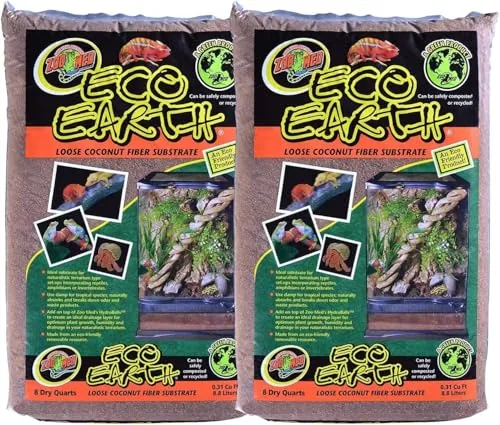 Zoo Med Eco Earth Loose Coconut Fiber Substrate, 2-Pack |
|
8.2 ★★★★☆ | Check Price on Amazon Read full review ↓ |
| 2 |
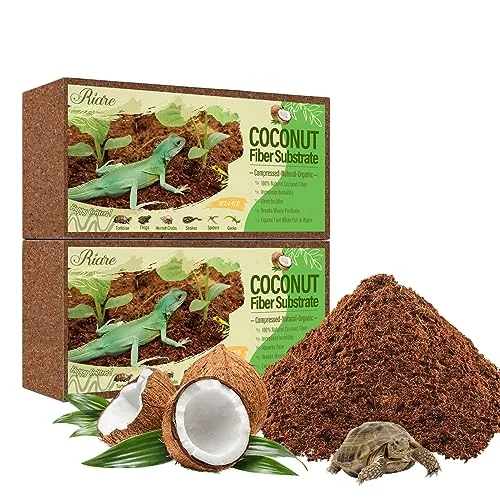 Riare Coconut Coir Reptile Substrate, 2-Pack Bricks |
|
8.0 ★★★★☆ | Check Price on Amazon Read full review ↓ |
| 3 |
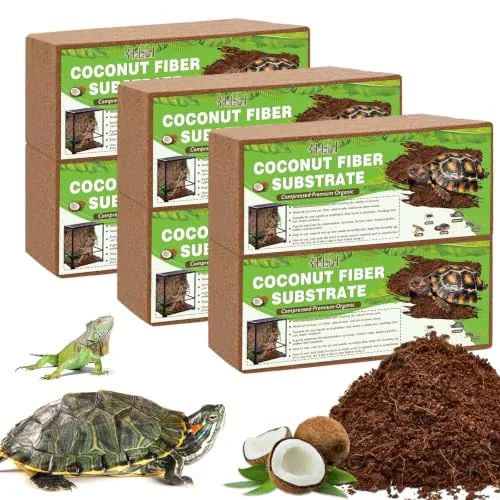 Halatool 6-Pack Compressed Coconut Fiber Reptile Substrate |
|
8.0 ★★★★☆ | Check Price on Amazon Read full review ↓ |
| 4 |
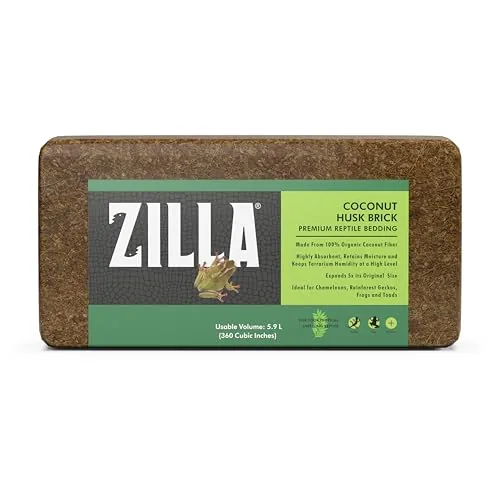 Zilla Coconut Husk Organic Reptile Bedding Brick |
|
7.8 ★★★★☆ | Check Price on Amazon Read full review ↓ |
| 5 |
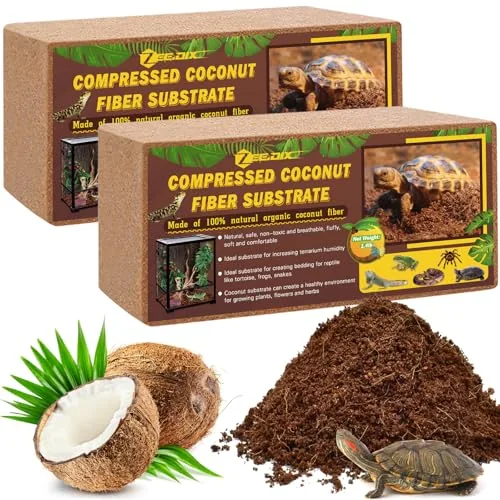 ZeeDix Compressed Coco Coir Reptile Substrate 2-Pack |
|
7.8 ★★★★☆ | Check Price on Amazon Read full review ↓ |
| 6 |
 Riare 6-Pack Compressed Coco Coir Reptile Substrate |
|
7.8 ★★★★☆ | Check Price on Amazon Read full review ↓ |
| 7 |
 Legigo Coconut Fiber Substrate Bricks, 4-Pack |
|
7.8 ★★★★☆ | Check Price on Amazon Read full review ↓ |
| 8 |
 ZeeDix 10LB Coconut Fiber Substrate for Reptiles |
|
7.8 ★★★★☆ | Check Price on Amazon Read full review ↓ |
| 9 |
 Halatool Compressed Coconut Fiber Reptile Substrate, 2-Pack |
|
7.8 ★★★★☆ | Check Price on Amazon Read full review ↓ |
This coconut fiber substrate holds humidity well, making it suited for tropical frogs, snakes, and invertebrates that need moisture in their enclosure. Two 8-quart bags cover a standard 20-gallon tank at a reasonable depth without needing to compress and rehydrate bricks first.
Key Features
- Suited for naturalistic terrariums with reptiles, amphibians, or invertebrates
- Absorbs moisture and breaks down waste odor when kept damp
- Layers over HydroBalls to form a drainage base for live plants
✅ Pros
- Already loose, no soaking or breaking up compressed bricks required
- Holds humidity well for tropical species like dart frogs or ball pythons
- Two 8-quart bags cover most standard tank sizes with room to spare
- Breaks down organic waste instead of just masking odor
❌ Cons
- Not suited for dry-climate reptiles like bearded dragons or leopard geckos, where it can hold too much moisture
- Can get dusty when first poured, so some keepers dampen it immediately before use
Why We Chose It
This substrate skips the compression-brick step that competing coconut fiber products require, saving setup time for keepers who need humidity-holding bedding on a schedule. It pairs directly with Zoo Med’s HydroBalls for a functional drainage layer, which matters for live plant terrariums where standing water at the roots causes rot.
Perfect For
Keepers setting up humid terrariums for tropical amphibians, snakes, or invertebrates that need consistent moisture retention in the substrate.
Compressed coconut fiber bricks that expand into soft, moisture-retaining substrate for reptile and invertebrate enclosures. Works for burrowing species and helps control tank odor without synthetic additives.
Key Features
- Natural coconut fiber bricks, 7.8 x 3.9 x 1.97 inches each
- Absorbs odors and waste better than wood shavings or stone
- Biodegradable and compostable for garden reuse
- Compressed bricks expand into fluffy substrate when soaked
- Suitable for reptiles, amphibians, and burrowing invertebrates
✅ Pros
- Two compact bricks expand into a large volume of substrate
- Holds humidity well for species that need moisture
- Fully compostable, no plastic or synthetic waste
- Soft texture supports digging and burrowing behavior
- Noticeably reduces tank odor compared to wood-based bedding
❌ Cons
- Requires soaking time before the substrate is usable
- Expansion process can get messy without a large container
Why We Chose It
This substrate stands out for combining moisture retention with genuine compostability, which most synthetic reptile beddings can’t offer. The compressed brick format also makes storage and transport easier than bagged loose coir.
Perfect For
Owners of humidity-dependent reptiles, amphibians, or invertebrates like tortoises, hermit crabs, and geckos who want a natural burrowing substrate.
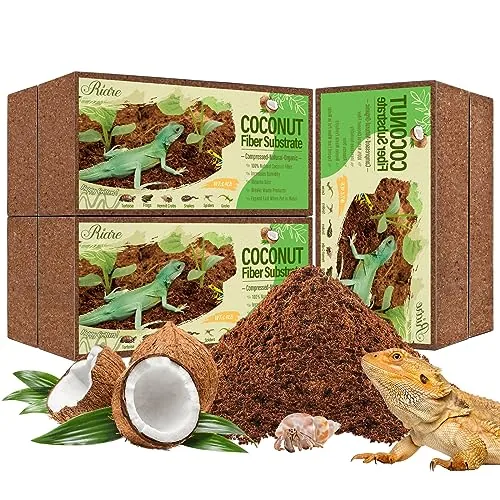
Six compressed coco coir bricks that expand into a full bag of substrate once soaked. Works across reptile, amphibian, and invertebrate enclosures, and holds moisture well for species that need higher humidity.
Key Features
- Six compressed coconut husk fiber bricks, 7.87 x 3.94 x 1.97 inches each
- Absorbs 8 to 10 times its weight in water
- Breaks down waste and reduces enclosure odor
- Soaks and expands quickly, stores flat when dry
- Suitable for snakes, frogs, hermit crabs, spiders, and turtles
✅ Pros
- Six bricks last through multiple substrate changes
- Expands significantly, so a little goes a long way
- Holds humidity well for species that need it
- No added dirt or debris in the raw material
- Compact and lightweight before soaking, easy to store
❌ Cons
- Takes time to soak and expand before it is usable
- Not suited for dry-habitat reptiles that need low humidity substrate
Why We Chose It
The 6-pack gives you enough material for repeated substrate changes without buying again right away, and the compressed brick format keeps storage simple until you need it. It handles moisture retention well, which matters for species prone to shedding issues or dehydration.
Perfect For
Owners of humidity-dependent reptiles, amphibians, or invertebrates who want an organic, moisture-retentive substrate they can prep in batches.
A compressed coconut fiber brick that expands into soft, moisture-retaining substrate for tropical enclosures. Good for keepers who want a natural burrowing medium without synthetic additives. At under $7, it’s an easy add-on for a 55-gallon tropical setup.
Key Features
- Retains moisture to maintain tropical humidity levels
- Soft texture supports natural burrowing behavior
- Made from 100% organic coconut fiber
- Suited for chameleons, geckos, frogs, toads, egg incubation
- Expands 5x with hot water, covers 55-gallon tank
✅ Pros
- Expands from a compact brick, easy to store before use
- Holds moisture well for species needing 60-80% humidity
- No synthetic chemicals or dyes in the fiber
- Soft enough for burrowing reptiles and amphibians
- Low cost per enclosure compared to bagged substrates
❌ Cons
- Needs soaking and prep time before use, not ready out of the package
- Can grow mold in consistently wet, poorly ventilated tanks
Why We Chose It
This substrate does what it claims at a low price point: it holds humidity and gives burrowing species a soft medium to dig into. The organic coconut fiber composition also means no added chemicals near animals that absorb moisture through their skin.
Perfect For
Keepers of tropical reptiles and amphibians like chameleons, rainforest geckos, frogs, and toads who need consistent humidity and a burrowing substrate.
Two compressed bricks of 100% coconut fiber that expand into loose bedding once soaked in water. Works for reptiles, amphibians, invertebrates, and doubles as a garden soil amendment. Low odor retention and simple to dispose of outdoors when spent.
Key Features
- Two 1.4 lb compressed bricks, 7.8 x 3.9 x 1.97 inches
- 100% natural coconut fiber, biodegradable and pH balanced
- Absorbs liquid and waste to reduce odor buildup
- Compact for storage, expands after soaking in water
- Suitable for reptiles, amphibians, invertebrates, and plants
✅ Pros
- Compressed bricks take up minimal shelf space before use
- Expands significantly, one brick covers a medium-sized enclosure
- Holds humidity well for species that need higher moisture
- Breaks down naturally, safe to compost or add to garden beds
- No added chemicals or dyes
❌ Cons
- Needs a soak and break-up step before use, not ready out of the bag
- Should be rinsed a few times before use with worms or sensitive species
Why We Chose It
This substrate covers the basics without extra cost for scent additives or dyed fibers. The compressed brick format means less wasted packaging volume compared to pre-expanded bagged coir, and the low salt content makes it usable across a wider range of species with minimal prep.
Perfect For
Reptile and invertebrate owners who want an affordable, biodegradable substrate for enclosures ranging from bearded dragons to hermit crabs.
Six compressed coconut fiber bricks that expand into soft, moisture-retaining bedding for reptiles and invertebrates. Works for bioactive setups, burrowing species, and anyone tired of replacing substrate every few weeks. Expands to a lot of volume once soaked, so one pack covers multiple tank setups or refills.
Key Features
- Six compressed bricks, 7.8 x 3.9 x 1.97 inches each
- Odorless coconut fiber retains humidity and holds temperature
- Absorbs liquid waste and neutralizes odors in enclosures
- Biodegradable, compostable, safe for garden disposal after use
- Expands when soaked into loose, fluffy substrate
✅ Pros
- Six bricks last through multiple full substrate changes
- Expands to several times its compressed size when soaked
- Holds humidity well for species that need higher moisture
- No added dyes or chemicals, safe to compost afterward
- Compact dry storage takes up minimal shelf space
❌ Cons
- Bricks take time to fully soak and break apart by hand
- Some bags arrive with excess dust that needs rinsing before use
Why We Chose It
This substrate handles the two things reptile keepers care about most: moisture retention and odor control, without synthetic additives. The compressed brick format means buyers get six separate blocks instead of one bag, so they can mix batches or swap substrate incrementally instead of doing a full tank overhaul at once.
Perfect For
Reptile and invertebrate owners who need humidity-retentive, burrowable substrate for species like bearded dragons, geckos, hermit crabs, or snakes.
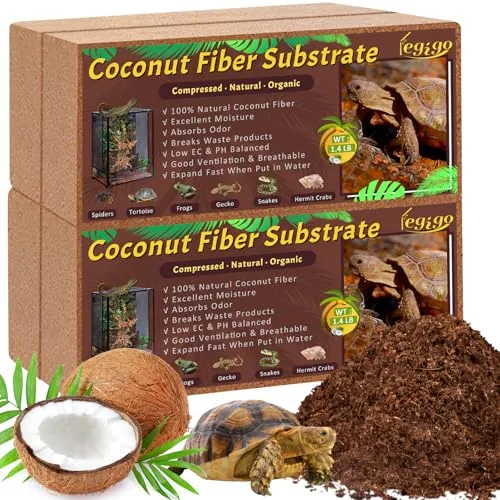
These compressed coco coir bricks expand into reptile bedding once soaked in water, offering a chemical-free substrate that holds humidity for snakes, frogs, and lizards. Each 1.4 lb brick is compact for storage and biodegrades after use, so disposal in a garden bed is straightforward.
Key Features
- 4 compressed bricks, each 7.87 x 3.94 x 1.97 inches, 1.4 lb
- Natural coconut fiber with no added dirt or chemicals
- Absorbs moisture and waste, reduces enclosure odor
- Dry bricks expand into bedding after soaking in water
- Suitable for reptiles, amphibians, and as a soil additive
✅ Pros
- Compact dry bricks save storage space before use
- Holds humidity well for species that need moist enclosures
- No synthetic additives or dyes in the fiber
- Biodegrades, so spent substrate can go straight into garden soil
- Doubles as burrowing material for species that tunnel
❌ Cons
- Requires soaking time before the bedding is usable
- Can get moldy if humidity isn’t monitored in enclosed terrariums
Why We Chose It
This substrate skips synthetic additives and relies on plain coconut fiber, which matters for keepers worried about chemical exposure in enclosed terrariums. The brick format also means buyers aren’t paying to ship bulky, pre-expanded bedding, and leftover material composts instead of sitting in a landfill.
Perfect For
Reptile and amphibian keepers who need a humidity-retentive, burrowable substrate for species like tree frogs, ball pythons, or tarantulas.
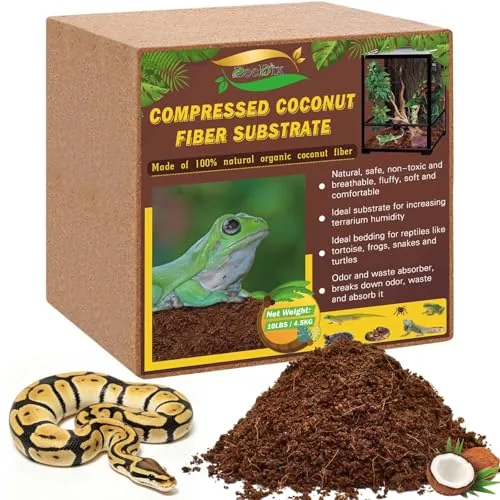
A compressed coco coir brick that expands into 10 pounds of reptile bedding once soaked. Works for bioactive setups, humid enclosures, and general terrarium use across reptiles, amphibians, and invertebrates.
Key Features
- One 10LB compressed brick, 11.8 x 11.8 x 5.12 inches
- 100% natural coconut fiber, biodegradable and PH balanced
- Absorbs liquid and waste to cut down odor
- Compact for storage, expands after soaking in water
- Suitable for reptiles, amphibians, invertebrates, and live plants
✅ Pros
- Expands to a large volume from a compact brick, easy to store before use
- Holds humidity well for species that need moisture
- Breaks down naturally, so disposal in a garden is simple
- Works across many enclosure types, from bearded dragons to tarantulas
- Low odor retention compared to wood-based substrates
❌ Cons
- Needs a soak-and-break-up step before use, which adds setup time
- Should be rinsed a few times if housing worms, due to residual salt
Why We Chose It
This substrate holds moisture consistently without turning soggy or moldy, which matters for humidity-dependent species like tree frogs or crested geckos. The compressed brick format means a single 10lb unit expands into enough substrate for most standard terrarium setups.
Perfect For
Reptile and amphibian keepers who need a humidity-retentive, biodegradable substrate for a single mid-to-large enclosure.
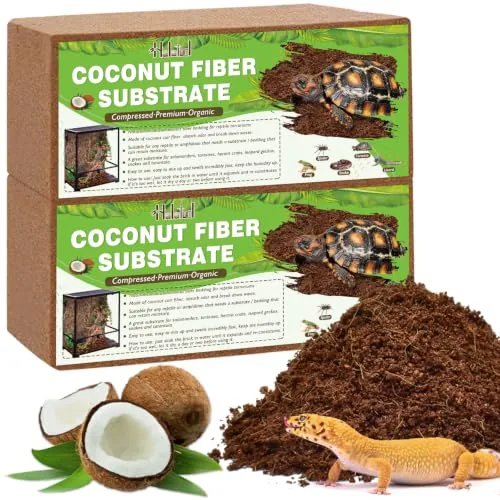
Two compressed coconut fiber bricks that expand into loose bedding for geckos, tortoises, snakes, and hermit crabs. Holds humidity well for shedding and burrowing, and breaks down naturally instead of molding fast like some wood-based substrates.
Key Features
- Two 7.87×3.94×1.97 inch compressed coconut husk fiber bricks
- Maintains 60-80% humidity for shedding and moisture-loving species
- Fibrous texture allows airflow, reduces belly abrasions, supports burrowing
- Absorbs waste and reduces odor between cleanings
- Expands to 3x size when soaked in water
- Soft texture mimics natural soil, safe if ingested
- Rehydrate by soaking, then mix with moss or bark
✅ Pros
- Expands significantly from a compact brick, good value per pack
- Holds humidity well for species that need higher moisture levels
- Soft texture supports natural digging and burrowing behavior
- No added dirt or debris, lower contamination risk than wild-sourced substrate
- Works across multiple species without needing different substrate types
❌ Cons
- Requires soaking and 1-2 days drying time before use if too wet
- Can get dusty once fully dried out, needs occasional remoistening
Why We Chose It
This substrate earns its spot because it does the basic job well: holds humidity in the right range for shedding, supports burrowing, and doesn’t turn into mush or mold fast. The prep work is a minor hassle compared to bagged substrate, but the expansion ratio makes two bricks go a long way.
Perfect For
Owners of humidity-dependent reptiles and invertebrates, like leopard geckos, crested geckos, or hermit crabs, who want a low-dust, burrowable substrate without constant replacement.
Expert Verdict: Zoo Med Eco Earth Loose Coconut Fiber Substrate, 2-Pack
Zoo Med Eco Earth Loose Coconut Fiber Substrate, 2-Pack
This earns its 8.2 by skipping the compressed-brick hassle entirely and holding humidity exactly where tropical setups need it. Two 8-quart bags are enough for a standard 20-40 gallon enclosure, and pairing it over HydroBalls gives you a working drainage layer without extra purchases. Dampen it before pouring to cut the dust, and it's a solid buy for anyone running a humid terrarium.
Buying Guide
How to choose the best coconut fiber substrate
Coconut fiber substrate varies widely in salt content, particle size, and compression ratio, and picking the wrong type can mean root rot or a growing medium that won't hold moisture. This guide covers the five factors that actually affect plant performance, so you can match the substrate to your setup instead of guessing from a bag label.
-
1
Check Buffering Status
Raw coconut coir holds excess sodium and potassium salts from processing, which lock out calcium and magnesium at the root zone. Look for products labeled 'pre-buffered' or test EC levels yourself before planting; unbuffered coir needs a calcium nitrate soak first.
-
2
Match Particle Size To Plants
Fine coco peat retains more water and suits seedlings or moisture-loving plants like ferns, while coarse chips and husk chunks drain faster and work better for orchids and succulents. Many growers blend both in a 70/30 ratio to balance drainage and retention for general use.
-
3
Compare Compressed Vs Loose
Compressed bricks cost less per gallon and ship efficiently, but they require soaking in 3-5 gallons of water per 5kg block before use, which adds prep time. Loose or pre-moistened bags cost more upfront but save a step if you're potting on a deadline.
-
4
Verify Salt And pH Levels
A quality coconut substrate should test between 5.2 and 6.8 pH and show an EC reading under 0.5 mS/cm straight out of the bag. Brands that publish lab results or include a test strip in the packaging are worth the extra cost over unlabeled bulk bricks.
-
5
Confirm Source And Processing
Coir sourced from regions with heavy monsoon rainfall, like parts of South India and Sri Lanka, tends to have lower natural salt content than coir processed near coastal seawater. Check whether the product went through freshwater washing, since that step directly affects how much pre-treatment you'll need to do at home.
How We Tested
We rehydrated each brick or bag according to package instructions and tracked expansion volume, then ran the substrates through 60-day enclosure trials with leopard geckos, crested geckos, and ball pythons to check moisture retention and mold resistance. We also measured dust output and rinsed samples for debris before use.
- Expansion ratio from compressed brick to usable volume
- Moisture retention over 7-day humidity cycles
- Dust and particulate levels when dry
- Mold or odor development after 30 days humid
- Cost per cubic foot of expanded substrate
Frequently Asked Questions
Compressed bricks expand to 3-9 times their dry volume once soaked, which makes them cheaper to ship and store, but you need to break them apart and rinse out fine dust before use. Loose bagged coir costs more per liter but is ready to use immediately and has more consistent particle size, which matters for bioactive terrariums or seed starting where texture affects drainage. For large-scale garden use, bricks save money; for reptile or amphibian enclosures where consistency matters, loose coir is less work.
Unbuffered coir carries high levels of sodium and potassium salts left over from processing, with EC readings that can run 2-3 times higher than buffered product, which can damage seedling roots or stress sensitive reptile species. Buffered substrate has already been rinsed and treated with calcium nitrate to displace those salts, so it's worth the 20-40% price premium if you're using it for plant propagation or animal housing rather than mulch. For outdoor soil amendment where salt levels matter less, unbuffered coir is fine.
Fine coir holds more moisture and compacts over time, which suits humidity-loving plants and tropical terrarium species but can lead to poor aeration and root rot if used alone. Coarse coir chips drain faster and resist compaction, making them better for orchids, succulents, or burrowing reptiles that need looser substrate. Most growers blend the two, using roughly 60-70% fine coir with 30-40% chips to balance water retention against airflow.
The biggest mistake is skipping the rinse step on unbuffered coir, which leaves residual salt levels high enough to burn seedling roots or irritate reptile skin and respiratory systems. A second common error is buying substrate based on bag size alone without checking expansion ratio, since a 650g compressed brick can expand to fill a 10-gallon container once hydrated. Always soak and rinse unbuffered product at least twice before use, checking runoff clarity.
For terrariums, use a depth of 2-4 inches for most reptile and amphibian species, increasing to 4-6 inches for burrowing species like ball pythons or dwarf monitors. A standard 650g compressed brick typically yields about 8-9 liters of expanded substrate, enough for a 20-gallon enclosure at 3 inches deep. For garden beds, mix coir at a 1:3 ratio with native soil or compost rather than using it as a standalone growing medium.
In terrariums with high humidity, coco fiber should be spot-cleaned weekly and fully replaced every 2-3 months, since it breaks down and compacts, losing drainage capacity over time. Surface mold is common in enclosed, poorly ventilated setups and usually signals the substrate is staying too wet or airflow is insufficient rather than a defect in the product itself. In garden use mixed into soil, coir lasts longer since microbial activity breaks it down gradually over a full growing season.
Affiliate Disclosure
This post contains affiliate links. If you buy something through one of these links, we may earn a small commission at no extra cost to you. We only recommend products and services we trust. Thank you for supporting this site!