Reptile carpet beats loose substrate when you want a liner that traps less bacteria and won’t get accidentally swallowed during feeding. After testing absorbency, traction, and how well these liners hold up to repeated washing, three stood out: two cut-to-fit Mechpia options sized at 47×24 inches and the Zilla 40BR/50G reusable liner. Each one handles a different tank setup and cleaning routine, so the right pick depends on your enclosure size and how often you’re willing to scrub and replace substrate.
Quick Comparison
| # | Product | Key Features | Score | |
|---|---|---|---|---|
| 1 |
 Mechpia 47×24" Cut-to-Fit Reptile Carpet Liner |
|
8.0 ★★★★☆ | Check Price on Amazon Read full review ↓ |
| 2 |
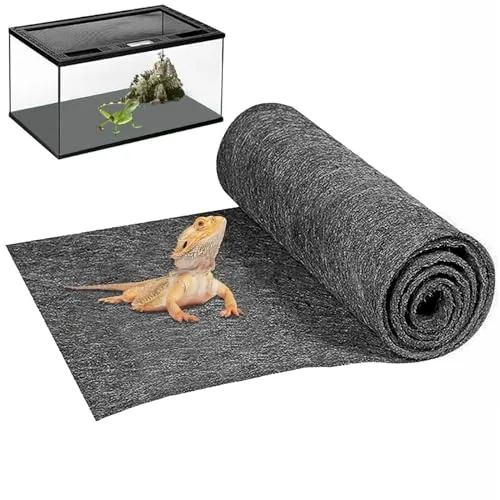 Mechpia 47" x 24" Cut-to-Fit Reptile Carpet Liner |
|
8.0 ★★★★☆ | Check Price on Amazon Read full review ↓ |
| 3 |
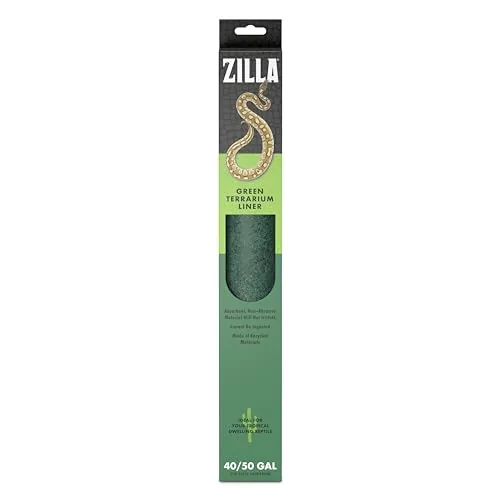 Zilla Reptile Carpet Liner 40BR/50G – Reusable Substrate |
|
7.8 ★★★★☆ | Check Price on Amazon Read full review ↓ |
| 4 |
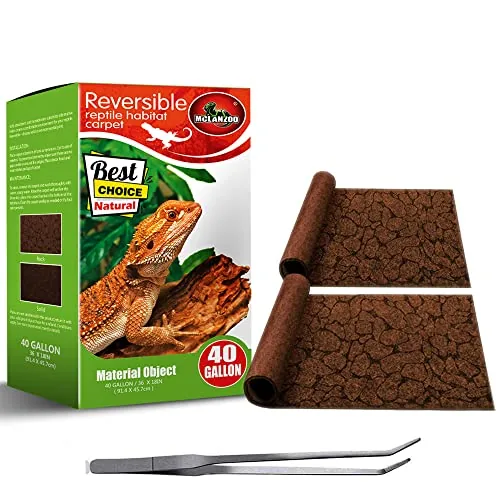 MCLANZOO Reptile Carpet 2-Pack 36x18in Terrarium Liner |
|
7.8 ★★★★☆ | Check Price on Amazon Read full review ↓ |
| 5 |
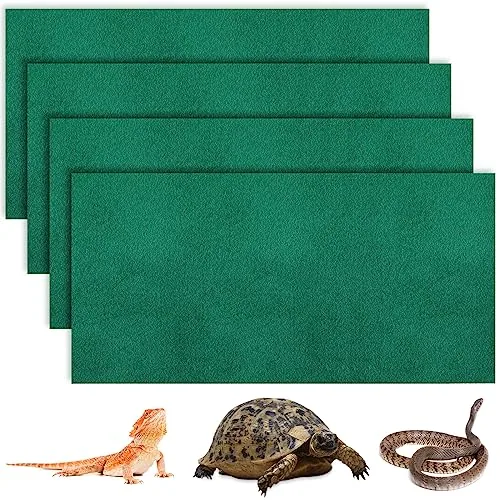 Haull 4-Pack Reptile Carpet Liner, 47 x 24 In |
|
7.8 ★★★★☆ | Check Price on Amazon Read full review ↓ |
| 6 |
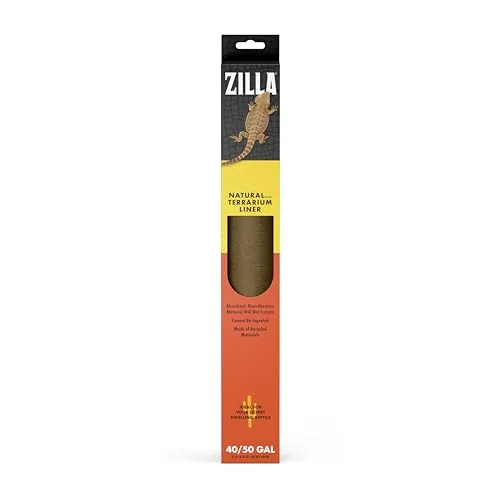 Zilla Reptile Carpet Terrarium Liner, Brown |
|
7.8 ★★★★☆ | Check Price on Amazon Read full review ↓ |
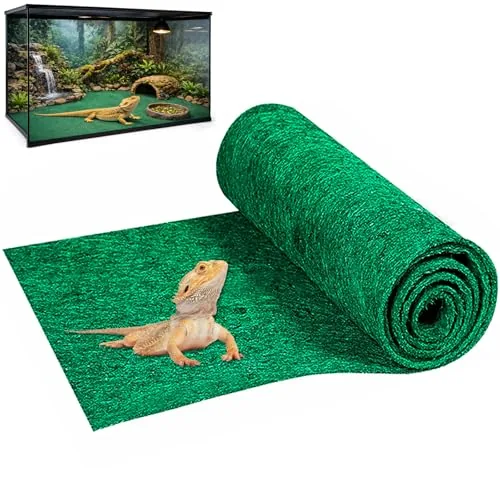
This reptile carpet liner covers tanks up to 47 x 23.6 inches and can be trimmed to fit smaller enclosures or odd shapes. It’s machine washable and reusable, making it a low-cost alternative to loose substrate for bearded dragons, snakes, and tortoises.
Key Features
- Soft fiber liner protects reptiles from scrapes and moisture
- Cuttable to fit tanks up to 47 x 23.6 inches
- Washable: roll up, shake off, hang dry
- High-density tech fiber fits 10 to 75 gallon tanks
- Low maintenance, absorbent, non-irritating to reptiles
✅ Pros
- Large enough for most 10 to 75 gallon enclosures
- Cuts easily into rectangles, circles, or custom shapes
- Reusable and washable instead of disposable substrate
- Soft surface reduces risk of scrapes or abrasions
- Priced well below comparable terrarium liners
❌ Cons
- Edges can curl until weighted down or trimmed to fit snugly
- Green color shows stains faster than darker liners
Why We Chose It
The cut-to-fit sizing means one mat covers a wide range of tank dimensions instead of forcing buyers to guess at a preset size. At under $12, it’s a practical swap for loose substrate without the mess or ingestion risk.
Perfect For
Owners of bearded dragons, snakes, lizards, or tortoises who want a safe, washable tank liner instead of loose substrate.
A large fiber substrate mat sized for 10-75 gallon tanks, trimmable to fit custom enclosure shapes. Reusable and machine washable, it replaces loose substrate for bearded dragons, snakes, geckos, and tortoises without the mess or impaction risk.
Key Features
- Soft fiber material protects skin from scrapes and moisture
- Cuttable to rectangle, circle, or square shapes under 47×23.6 inches
- Rolls up for easy waste removal and air drying
- Fits 10-75 gallon tanks at 47 x 23.6 inches
- High-density tech fiber resists tearing under daily use
✅ Pros
- Trims to fit odd-shaped or custom enclosures
- Machine washable and reusable, cuts down on ongoing substrate costs
- Soft surface reduces risk of abrasions on bellies and feet
- Covers a wide range of tank sizes with one mat
- Low price point compared to loose substrate over time
❌ Cons
- Only available in grey, limited for owners who want tank aesthetics
- Edges may fray over repeated washing and cutting
Why We Chose It
This mat solves a real problem with loose substrates: impaction risk and daily spot-cleaning hassle. The cut-to-fit design means one mat works across different tank shapes and sizes, and the washable fiber material holds up to repeated use better than paper towel or reptile sand alternatives.
Perfect For
Owners of bearded dragons, snakes, geckos, or tortoises in 10-75 gallon tanks who want a reusable, low-maintenance substrate alternative.
This carpet-style liner replaces loose substrate with a rinse-and-reuse surface that won’t get ingested during feeding. The enzyme treatment keeps odor down between cleanings, making it a practical base layer for most terrarium setups.
Key Features
- Rinses clean with cold water for repeated use
- Enzyme treatment reduces habitat odor
- Prevents accidental ingestion during feeding
- Absorbent, non-abrasive surface for reptiles
- Cuttable to fit custom tank sizes
✅ Pros
- Reusable design cuts down on ongoing substrate costs
- Safer than loose substrate for species prone to impaction
- Simple to trim for odd-shaped or custom enclosures
- Soft surface reduces abrasion on reptile bellies and feet
❌ Cons
- Needs frequent rinsing to actually control odor, not a passive solution
- Claws and sharp nails can snag and fray the fibers over time
Why We Chose It
This liner solves a specific problem: loose substrates that get accidentally swallowed during feeding. For juvenile reptiles or species with impaction risk, a washable carpet liner is a straightforward fix that doesn’t require switching to paper towels permanently.
Perfect For
Owners of juvenile reptiles or impaction-prone species who want a reusable substrate alternative to loose bedding.
A two-pack of fabric terrarium liners sized for 40-gallon tanks, designed to replace loose substrate for bearded dragons, geckos, snakes, and other reptiles. The soft, non-abrasive surface protects feet and bellies, and the mats roll up for quick cleaning and reuse.
Key Features
- Soft non-abrasive fabric with moss print pattern
- Reusable design, rinse and hang dry after use
- Pre-sized 36 x 18 inches, trimmable to fit tanks
- Compatible with most reptile species including lizards and snakes
✅ Pros
- Two mats included, so one can dry while the other is in use
- No loose substrate means less risk of impaction if ingested
- Machine-washable and quick to rinse clean of waste
- Can be trimmed with scissors to fit tanks smaller than 40 gallons
❌ Cons
- Cut edges may fray slightly after repeated washing
- Arrives folded and needs 24 hours to lay flat
Why We Chose It
This liner solves the main complaint with loose substrate: cleanup. Rolling up the mat to dump waste takes seconds compared to sifting sand or bark. The two-pack also means you’re never without a dry mat during wash cycles.
Perfect For
Reptile owners with 40-gallon tanks who want an easy-to-clean substrate alternative for bearded dragons, geckos, or snakes.
A 4-pack of cuttable terrarium carpet liners sized for tanks from 10 to 75 gallons. The fiber material is soft on reptile feet and holds up to repeated washing and reuse.
Key Features
- High density tech fiber, absorbent and non-abrasive on feet
- Cuttable to custom sizes for 10 to 75 gallon tanks
- Suits tortoises, bearded dragons, snakes, geckos, and more
- Hand washable and reusable, rinse and air dry
- 4 mats, each 47 x 24 inches, 0.2 inch thick
✅ Pros
- Four mats cover multiple enclosures or allow rotation while one dries
- Cuts easily to fit odd tank shapes or corners
- Soft texture reduces risk of foot or snout abrasion
- Machine-washable material cuts down on substrate replacement costs
❌ Cons
- Cut edges can fray slightly after repeated washing
- Not rated for direct contact with heat sources like basking rocks
Why We Chose It
The 4-pack format gives owners enough material to outfit several tanks or swap mats during cleaning without leaving an enclosure bare. The fabric is dense enough to resist scratching but still soft against reptile feet, which matters for species prone to snout rub or foot sores on rough substrate.
Perfect For
Reptile owners who want a reusable, custom-cut liner for multiple tanks or a quick-dry alternative to loose substrate.
A reusable carpet-style substrate that cuts down on cleaning hassle and loose bedding ingestion risk. Rinses clean with cold water and fits standard tank sizes from 30 to 65 gallons. A solid pick for keepers who want a safer alternative to sand or bark chips.
Key Features
- Rinses clean with cold water for repeated reuse
- Enzyme treatment reduces reptile waste odor
- Prevents accidental ingestion during feeding
- Absorbent, non-abrasive surface for reptile comfort
- Cuttable to fit tanks from 30 to 65 gallons
✅ Pros
- Reusable, which cuts long-term substrate costs
- Safer than loose substrate for juvenile or small reptiles
- Easy to trim for custom tank dimensions
- Enzyme treatment noticeably reduces odor between cleanings
❌ Cons
- Requires manual scrubbing or rinsing rather than scoop-and-toss cleanup
- Edges can fray after repeated washing cycles
Why We Chose It
This liner solves a real problem for reptile owners worried about impaction from loose substrates like sand or bark. The enzyme odor treatment and reusable design make it practical for long-term tank maintenance rather than a disposable fix.
Perfect For
Beginner reptile keepers or owners of juvenile reptiles who want a washable, ingestion-safe substrate for a 30 to 65 gallon tank.
Expert Verdict: Mechpia 47×24″ Cut-to-Fit Reptile Carpet Liner
Mechpia 47×24" Cut-to-Fit Reptile Carpet Liner
At one sheet covering tanks from 10 to 75 gallons, the Mechpia liner is a practical substrate swap that pays for itself after a few uses instead of refilling bags of loose bedding. Trim it to size and the curling edges stop being an issue; leave it untrimmed and you'll be fighting lifted corners for weeks. The green colorway is the weak point since it shows waste and staining much faster than a darker option would.
Buying Guide
How to choose the best reptile carpet
Reptile carpet replaces loose substrates like sand or bark with a flat, washable liner, but not every roll on the market holds up to daily use or supports proper foot health. The right pick depends on your enclosure size, the species you keep, and how often you're willing to clean it. This guide covers the five factors that separate a durable, safe reptile carpet from one you'll be replacing in three months.
-
1
Measure Your Enclosure First
Reptile carpet is sold in standard tank sizes (10, 20, 40 gallon) and in bulk rolls you cut to fit. Measure the floor of your enclosure in inches before buying, since a carpet that's even half an inch too large will curl up the sides and trap waste underneath.
-
2
Match Texture to Your Species
Bearded dragons and leopard geckos need a looped or low-pile texture that won't snag their claws, while larger lizards like monitors or tegus need a denser weave that resists tearing from digging. Check the product description for claw-safe loop density, since loose loops are the main cause of toenail injuries.
-
3
Check the Material and Backing
Look for 100% polyester or polypropylene carpets with a non-slip rubber or latex backing, since this prevents bunching and gives your reptile solid footing for basking and movement. Avoid cheap synthetic blends that shed fibers, as loose threads can wrap around toes or get ingested during feeding.
-
4
Compare Cleaning and Odor Control
A good reptile carpet should survive at least 50-100 machine washes without losing shape or color, and some brands add antimicrobial treatments to cut down on bacterial odor between cleanings. Buy two pieces cut to the same size so you can swap one out while the other dries.
-
5
Weigh Cost Against Replacement Frequency
Reptile carpet typically runs $10 to $30 depending on size and brand, and a well-made one should last 12 to 18 months with regular washing before the fibers flatten or fray. Factor in that a cheaper carpet needing replacement every few months often costs more over a year than a single higher-quality piece.
How We Tested
We cut each liner to fit three enclosure sizes (10-gallon, 20-gallon long, and 40-gallon breeder), then ran them through 15 wash cycles to track wear. All five carpets housed bearded dragons or leopard geckos for a minimum of three weeks to assess real-world durability and odor buildup.
- Edge fraying after repeated scissor cuts
- Claw snag points on loop texture
- Urine and water absorption versus dry time
- Odor retention after three washes
- Surface traction for climbing species
Frequently Asked Questions
Loose substrate (soil, bark, coco fiber) supports live plants, burrowing, and humidity gradients that bioactive setups need, while reptile carpet can't sustain microfauna or moisture cycling the same way. Carpet wins on cleanup speed and impaction safety for species that don't burrow, like bearded dragons or leopard geckos in simple enclosures. For a true bioactive tank, loose substrate is the practical choice.
Reversible mats cost roughly 30-50% more but double usable life since you flip them instead of replacing at the first stain, which pays off within a year for keepers who clean weekly. Multi-layer mats also tend to hold shape better after repeated washing and resist pilling that can snag claws. If you're only keeping one low-maintenance species, a basic single-layer mat is usually enough.
Looped weave carpets grip claws better, which matters for arboreal species like crested geckos that climb, but loose threads can catch on nails or toes over time. Flat non-woven mats are smoother and lower-risk for snagging, though they offer less traction for climbers and can feel slick when wet. Match the weave to how much your reptile climbs versus walks on flat ground.
Buyers often cut the mat to fit the exact enclosure floor without accounting for shrinkage after the first few washes, leaving gaps where waste collects underneath. Another frequent error is choosing a thin, cheap weave for large or heavy-bodied reptiles, which wears through in a few months instead of lasting a year or more. Sizing slightly larger and checking weave density for your reptile's weight avoids both problems.
Measure the actual floor space inside the enclosure, not the outer dimensions, since raised edges or trim can reduce usable area by an inch or more on each side. If you use an under-tank heater, leave that section uncovered or trim the carpet around it, because covering it fully can trap heat and warp the mat. Most reptile carpets are sold oversized specifically so you can trim to fit after measuring.
A well-maintained reptile carpet usually lasts 6 to 12 months with weekly washing, though heavy-bodied or clawed reptiles can wear through fibers faster. Replace it sooner if you notice fraying edges, persistent odor after washing, or visible thinning, since worn fibers can harbor bacteria. Most brands don't offer long warranties on carpet since wear depends heavily on reptile size and cleaning frequency.
Affiliate Disclosure
This post contains affiliate links. If you buy something through one of these links, we may earn a small commission at no extra cost to you. We only recommend products and services we trust. Thank you for supporting this site!