We tested bioactive substrates across humid rainforest tanks, bone-dry desert setups, and everything in between to find mixes that actually support live plants, isopods, and springtails long-term rather than compacting or molding within weeks. Josh’s Frogs ABG Mix, BIODUDE Terra Sahara, and Galapagos Bioactive Soil each target different enclosure types, from tropical to arid, and all three held up under real drainage and humidity testing. Here’s what separates them, including which substrate fits your specific species and climate needs.
Quick Comparison
| # | Product | Key Features | Score | |
|---|---|---|---|---|
| 1 |
 Josh's Frogs ABG Mix Bioactive Substrate 4Qt |
|
8.3 ★★★★☆ | Check Price on Amazon Read full review ↓ |
| 2 |
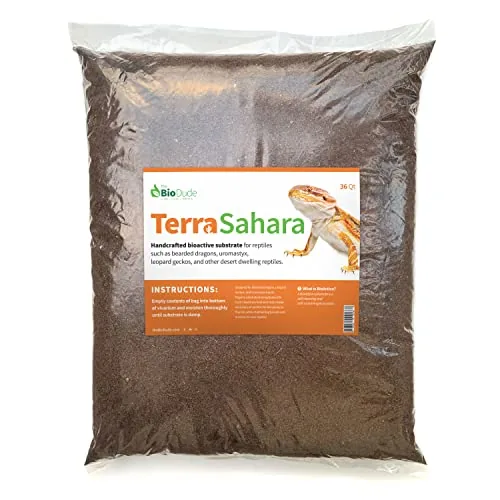 BIODUDE Terra Sahara Bioactive Desert Substrate 36qt |
|
8.3 ★★★★☆ | Check Price on Amazon Read full review ↓ |
| 3 |
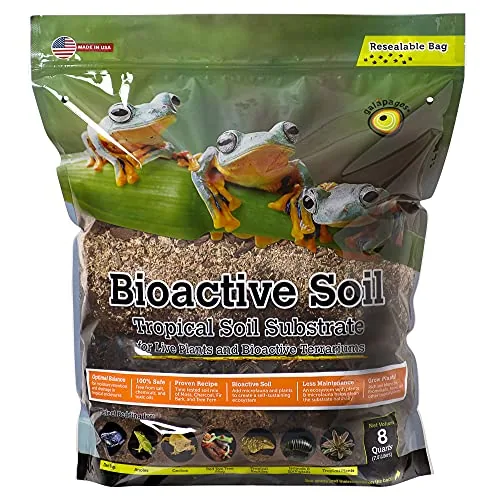 Galapagos Bioactive Soil 8 Quart – Tropical Substrate |
|
8.2 ★★★★☆ | Check Price on Amazon Read full review ↓ |
| 4 |
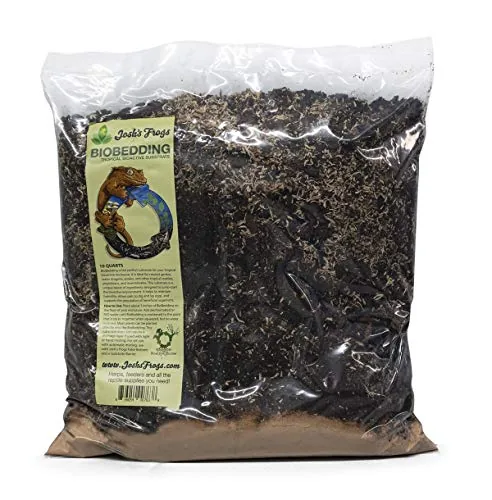 Josh's Frogs BioBedding Tropical Bioactive Substrate |
|
8.2 ★★★★☆ | Check Price on Amazon Read full review ↓ |
| 5 |
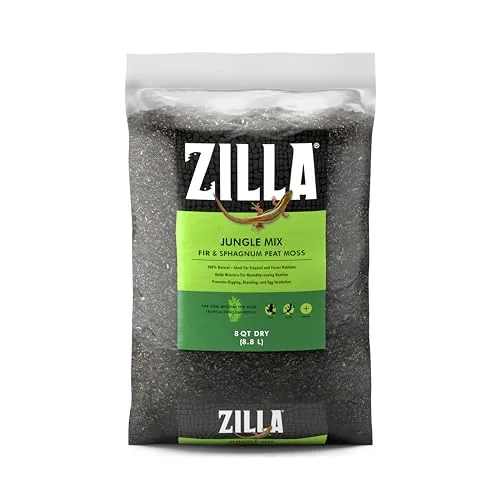 Zilla Jungle Mix Terrarium Substrate, 8 Qt |
|
8.0 ★★★★☆ | Check Price on Amazon Read full review ↓ |
| 6 |
 Riare Coconut Coir Reptile Substrate, 2-Pack Bricks |
|
8.0 ★★★★☆ | Check Price on Amazon Read full review ↓ |
| 7 |
 Zoo Med Creature Soil 1 Quart – Burrowing Substrate |
|
8.0 ★★★★☆ | Check Price on Amazon Read full review ↓ |
| 8 |
 Josh's Frogs BioBedding Tropical Bioactive Substrate 4qt |
|
8.0 ★★★★☆ | Check Price on Amazon Read full review ↓ |
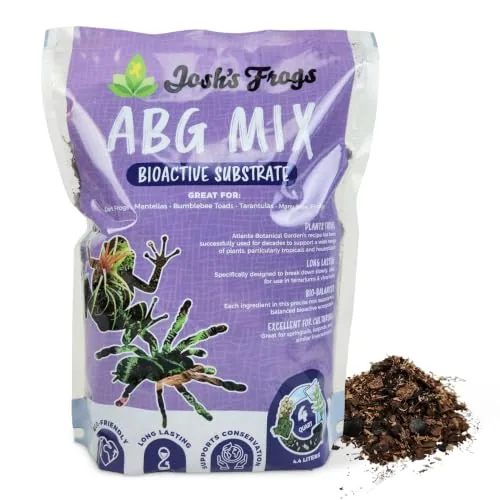
This is the original Atlanta Botanical Garden substrate recipe, pre-blended with charcoal, sphagnum moss, pine bark, tree fern, and peat. It holds moisture while still draining well, which makes it a solid base layer for tropical vivariums housing frogs, isopods, and springtails.
Key Features
- Based on original Atlanta Botanical Garden substrate formula
- Breaks down slowly, reducing need for replacement
- Blend of charcoal, sphagnum moss, pine bark, tree fern, peat
- Supports springtail and isopod culturing colonies
- Pre-mixed, just moisten with distilled or RO water
✅ Pros
- Established recipe with decades of hobbyist use behind it
- Drains excess water while retaining enough moisture for plant roots
- Slow breakdown means fewer substrate changes over time
- Good texture and nutrient base for springtail and isopod cultures
- No mixing guesswork, ingredients arrive pre-combined
❌ Cons
- 4 quarts covers only a small or medium tank, larger builds need multiple bags
- Needs pre-moistening with distilled or RO water before use, adding prep time
Why We Chose It
This substrate uses the actual ABG formula rather than a generic approximation, which matters for anyone building a bioactive setup meant to last years without a full teardown. The combination of drainage and moisture retention suits both the plants and the cleanup crew living in the substrate.
Perfect For
Reptile and amphibian keepers setting up a bioactive terrarium who want a proven substrate base for plants, springtails, and isopods.
A bioactive desert substrate built for bearded dragons, uromastyx, and leopard geckos that need firm burrows and dry surface conditions. The layered mix keeps humidity low up top while retaining moisture below, supporting live desert plants and a self-sustaining cleanup crew ecosystem.
Key Features
- Supports desert plants from succulents to cacti
- Keeps surface dry while retaining moisture below
- Multi-ingredient mix sustains a balanced ecosystem long-term
- Provides aeration and drainage, resists clogging
- Holds tunnel and burrow shapes for shedding support
✅ Pros
- Holds burrow shapes without collapsing
- Supports live plants without raising humidity
- Formulated to last the animal’s lifespan with proper care
- Good drainage prevents waterlogging and odor
- Works across multiple desert species setups
❌ Cons
- Costs more per quart than plain sand or soil blends
- Requires correct moistening and setup time before bioactivity kicks in
Why We Chose It
This substrate solves the common problem of desert setups turning either too dry for a cleanup crew or too humid for the animal. The layered moisture design and burrow-holding texture make it one of the few mixes built specifically for arid bioactive vivariums rather than adapted from tropical blends.
Perfect For
Keepers setting up a bioactive enclosure for bearded dragons, uromastyx, or leopard geckos who want burrowing behavior and live plants without humidity problems.
This bioactive soil mix is built for tropical terrariums housing reptiles, amphibians, and invertebrates. It balances moisture retention with drainage so you can support live plants and a self-sustaining cleanup crew without the setup turning into a swamp.
Key Features
- Balances moisture retention and drainage for tropical enclosures
- Free from added salt, chemicals, and toxic oils
- Tested soil recipe used across tropical setups
- Supports microfauna and live plants for bioactive ecosystems
- Formulated to grow tropical plants directly in substrate
- Comes in a resealable bag for storage
✅ Pros
- Safe for reptiles, amphibians, and invertebrates with no added chemicals
- Holds humidity well without becoming waterlogged
- Works as a base layer for live plants and isopod or springtail colonies
- Resealable packaging keeps unused soil fresh between uses
❌ Cons
- 8 quarts covers only small to medium enclosures, larger tanks need multiple bags
- Some users report small amounts of bark or debris mixed into the soil
Why We Chose It
This soil is formulated specifically for bioactive tropical setups rather than general-purpose potting soil repurposed for terrariums. The moisture balance matters for species like dart frogs or tropical geckos that need consistent humidity without root rot or mold issues.
Perfect For
Keepers setting up a bioactive terrarium for tropical reptiles, amphibians, or invertebrates who need a substrate that supports live plants and a cleanup crew.
This substrate is built for long-term bioactive terrariums, not quick cage changes. Paired with springtails or isopods, it establishes a self-cleaning waste cycle that can run for years without a full substrate swap. It also supports live plant roots, so you can build out a planted enclosure instead of relying on fake decor.
Key Features
- Supports years of use when paired with springtails or isopods
- Reduces bacterial disease risk through a bioactive waste cycle
- Mimics natural habitat appearance better than standard substrates
- Allows live plant root growth for a planted enclosure
✅ Pros
- Cuts down on frequent substrate changes and cleaning labor
- Creates a self-sustaining bioactive ecosystem with cleanup crew insects
- Looks more natural than paper towel or carpet substrate
- Holds moisture well enough to support live plant roots
- Works for most tropical frogs, reptiles, and invertebrates
❌ Cons
- Only is advertised if you also buy springtails or isopods separately
- Not suitable for desert species that need dry, low-humidity substrate
Why We Chose It
This substrate stands out because it’s designed as part of a system, not a standalone product. The bioactive cycle it enables reduces cleaning frequency and bacterial buildup in ways plain substrates can’t match, and it doubles as a growing medium for live plants.
Perfect For
Keepers setting up a tropical bioactive terrarium for frogs, geckos, or isopods who want a low-maintenance, naturalistic enclosure.
This substrate blends aged Douglas fir bark and sphagnum peat moss to hold moisture and support humidity-loving reptiles and amphibians. It works well for frogs, tropical geckos, and snakes that need soft digging material. At under $11 for 8 quarts, it covers a standard 20-gallon tank at a 1-2 inch depth.
Key Features
- Built for tropical and forest habitat moisture retention
- Absorbent bedding maintains enclosure humidity levels
- Supports digging, breeding, nesting, and egg incubation
- Made from aged Douglas fir bark and peat moss
- Recommended depth 1-2 inches, replace monthly
✅ Pros
- Holds humidity well for tropical species without constant misting
- All-organic ingredients, no added dyes or chemicals
- Soft texture works for digging and burrowing animals
- Low cost per quart compared to coconut fiber substrates
- Low odor when maintained on the recommended schedule
❌ Cons
- Can grow mold if kept too wet without spot-cleaning
- Contains some bark dust that may need rinsing before use
Why We Chose It
The Douglas fir bark and peat moss combination retains moisture better than plain coconut coir, which matters for species that need consistent humidity. It also has a soft enough texture for burrowing animals without the sharp edges found in wood chip substrates.
Perfect For
Keepers of tropical frogs, rainforest geckos, or humidity-dependent snake species who need a substrate that holds moisture without daily misting.
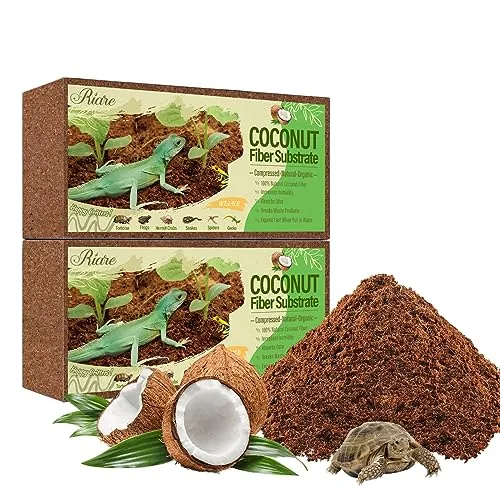
Compressed coconut fiber bricks that expand into soft, moisture-retaining substrate for reptile and invertebrate enclosures. Works for burrowing species and helps control tank odor without synthetic additives.
Key Features
- Natural coconut fiber bricks, 7.8 x 3.9 x 1.97 inches each
- Absorbs odors and waste better than wood shavings or stone
- Biodegradable and compostable for garden reuse
- Compressed bricks expand into fluffy substrate when soaked
- Suitable for reptiles, amphibians, and burrowing invertebrates
✅ Pros
- Two compact bricks expand into a large volume of substrate
- Holds humidity well for species that need moisture
- Fully compostable, no plastic or synthetic waste
- Soft texture supports digging and burrowing behavior
- Noticeably reduces tank odor compared to wood-based bedding
❌ Cons
- Requires soaking time before the substrate is usable
- Expansion process can get messy without a large container
Why We Chose It
This substrate stands out for combining moisture retention with genuine compostability, which most synthetic reptile beddings can’t offer. The compressed brick format also makes storage and transport easier than bagged loose coir.
Perfect For
Owners of humidity-dependent reptiles, amphibians, or invertebrates like tortoises, hermit crabs, and geckos who want a natural burrowing substrate.
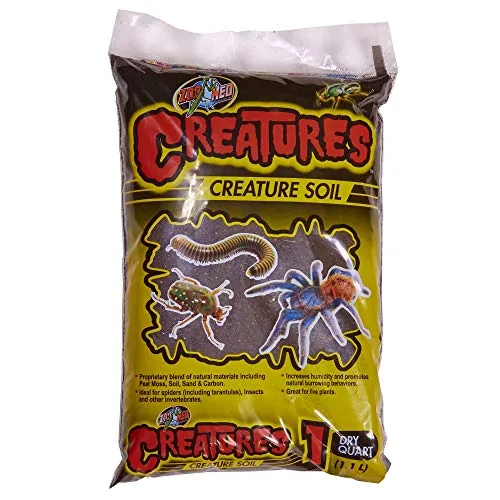
This is a peat moss, soil, sand, and carbon blend made for tarantulas, insects, and other invertebrates that need to dig. It holds moisture well, which helps maintain the humidity levels many exotic pets require. The 1-quart bag covers small enclosures like a 5-10 gallon tank at a 2-3 inch depth.
Key Features
- Proprietary mix of peat moss, soil, sand, and carbon
- Formulated for spiders, tarantulas, insects, and invertebrates
- Retains moisture to raise enclosure humidity
- Supports natural digging and tunneling behavior
- Doubles as potting substrate for live terrarium plants
✅ Pros
- Holds humidity longer than plain sand or gravel
- Soft enough for tarantulas and insects to burrow without resistance
- Carbon content helps control odor in enclosed tanks
- Works for both live plants and bioactive setups
- Low cost way to try a new substrate before buying in bulk
❌ Cons
- 1 quart only fills a small tank, larger setups need multiple bags
- Fine particle size can get dusty when the bag is first opened
Why We Chose It
This substrate solves a specific problem: keeping humidity stable for species that burrow. The peat moss and sand mix compacts enough to hold tunnel shapes without collapsing, which matters for tarantula owners especially. Zoo Med sells it in a small format, so it’s a low-risk way to test it before committing to a bigger bag.
Perfect For
Owners of a single tarantula, isolation tank of insects, or small invertebrate enclosure who need a humidity-holding, burrow-friendly substrate.
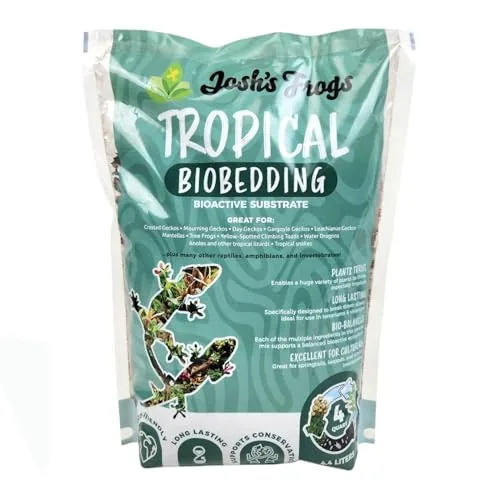
This is a bioactive substrate blend designed for tropical vivariums housing frogs, reptiles, and invertebrates. Paired with a cleanup crew of springtails and isopods, it breaks down waste on its own, so you skip the full substrate changes most setups need every few months. The 4-quart bag covers smaller to mid-size enclosures and supports live plant roots better than coco fiber or sand alone.
Key Features
- Supports long-term use without full substrate replacement
- Reduces bacterial buildup through active waste breakdown
- Mimics natural habitat appearance over standard substrates
- Allows live plant root growth for safer enclosures
✅ Pros
- Cuts down on substrate changes when paired with springtails or isopods
- Holds moisture well enough for live plants and tropical humidity levels
- Looks more natural than sand, paper towel, or coco fiber substrates
- Softer texture than gravel or sand for amphibians with sensitive skin
❌ Cons
- 4 quarts only covers small to mid-size enclosures, larger tanks need multiple bags
- Bioactive benefits depend on also buying and maintaining a cleanup crew separately
Why We Chose It
This substrate does what it claims as long as you set it up correctly with a working cleanup crew. It’s not a standalone product so much as one piece of a bioactive system, but within that system it holds up well for moisture retention and plant support. Josh’s Frogs has a solid reputation in the reptile and amphibian hobby, which matters for a product like this where ingredient quality affects animal health.
Perfect For
Hobbyists setting up a tropical bioactive vivarium for dart frogs, geckos, or isopods who already plan to add a springtail and isopod cleanup crew.
Expert Verdict: Josh’s Frogs ABG Mix Bioactive Substrate 4Qt
Josh's Frogs ABG Mix Bioactive Substrate 4Qt
This is the ABG recipe that's been the bioactive standard since Atlanta Botanical Garden developed it decades ago, and the 4Qt bag performs as expected: good drainage, steady moisture retention, slow breakdown that saves you from redoing the tank every year. At 8.3/10 it earns its reputation, but buy based on tank size math first, since one bag only fills a 10-20 gallon build before you're ordering more.
Buying Guide
How to choose the best bioactive substrate mix
A bioactive substrate does more than fill your enclosure – it supports a working cleanup crew, live plants, and the bacterial colonies that break down waste. The best bioactive substrate mixes balance drainage, moisture retention, and nutrient content for your specific species, so matching the mix to your animal and plant setup matters more than picking the priciest bag. This guide breaks down what to check before you buy.
-
1
Identify Your Species Needs
A fossorial species like a pacman frog needs a deep, moisture-holding mix, while an arid gecko needs something that drains fast and resists mold. Check the humidity and burrowing requirements for your specific animal before comparing products, since this narrows your options immediately.
-
2
Check the Ingredient List
Look for a mix of organic topsoil, coco fiber, sphagnum moss, and a drainage layer component like clay pellets or lava rock. Avoid mixes with added fertilizers, perlite in large amounts, or anything treated with pesticides, since these can harm invertebrates and amphibians.
-
3
Match Particle Size to Inhabitants
Fine substrates work for burrowing frogs and isopods, but loose, chunky mixes suit larger reptiles and support better root growth for live plants. If you're keeping springtails or dwarf isopods, confirm the mix isn't so dense it suffocates them or so coarse it dries out too fast.
-
4
Confirm Cleanup Crew Compatibility
Not every substrate supports a bioactive cleanup crew equally – isopods and springtails need organic material to feed on and enough moisture gradient to thrive. Check whether the product is marketed as bioactive-ready or if you'll need to supplement it with leaf litter and additional organic matter.
-
5
Calculate Coverage and Cost
Bioactive substrate needs more depth than standard bedding, usually 3 to 6 inches depending on the species, so measure your enclosure's footprint before ordering. Compare price per gallon or per cubic foot across brands, since bulk bags often cost less per inch of depth than small pre-mixed bags.
How We Tested
We set up five identical 18x18x24 enclosures, seeded each substrate with the same isopod and springtail cultures, and tracked moisture retention, odor, and microfauna activity over 90 days. Each mix also went through a drainage test and a 30-day plant root check using pothos cuttings.
- Moisture retention across a 14-day dry-down period
- Springtail and isopod reproduction rates at 30/60/90 days
- Odor development in sealed containers after watering
- Compaction and drainage speed through a 4-inch column
- Cost per quart at recommended substrate depth
Frequently Asked Questions
Clay and soil-based blends retain moisture longer and buffer humidity swings better because the particles bind water rather than just absorbing it, which suits dart frogs and tropical species needing 70-90% humidity. Coco fiber blends dry out faster and need more frequent misting, but they drain better and resist compaction, making them a better fit for species that need some airflow at the substrate line, like certain gecko or isopod setups.
Yes, for first-time bioactive builds, since establishing a working cleanup crew from scratch typically takes 4-8 weeks and buying leaf litter and springtails separately often costs more than a bundled mix once you factor in shipping from multiple vendors. If you already keep an active isopod or springtail colony, skip the premium and seed a plain base mix yourself to save $10-20 per bag.
For humid tropical setups, look for finer particle blends with a false bottom or drainage layer underneath, since fine substrate compacts and holds water that needs somewhere to go. For arid or mixed setups, coarser particle mixes with sand or clay content drain faster and resist mold, but they hold less moisture so you'll need a localized humid hide instead of relying on the whole substrate bed.
The biggest mistake is making the substrate layer too shallow, usually under 2 inches, which doesn't give burrowing species or the cleanup crew enough depth to regulate moisture and temperature. A second common error is skipping the drainage layer entirely and pouring substrate straight onto glass, which leads to waterlogged, anaerobic pockets that kill off isopods and springtails within weeks.
For an 18x18x24 enclosure, plan on roughly 10-15 liters of substrate to get a 3-4 inch base layer, which is enough depth for most dart frogs and small burrowing species. A 36x18x18 enclosure needs closer to 20-25 liters for the same depth, and you should always add 10-15% extra to account for settling after the first watering.
A properly maintained bioactive substrate with an active cleanup crew can run 2-4 years without full replacement, since isopods and springtails continuously break down waste and leaf litter. Signs you need to refresh or turn over the substrate include persistent sour or ammonia-like smells, visible mold blooms that don't clear up, or a crash in the isopod/springtail population that doesn't recover after reintroducing leaf litter.
Affiliate Disclosure
This post contains affiliate links. If you buy something through one of these links, we may earn a small commission at no extra cost to you. We only recommend products and services we trust. Thank you for supporting this site!