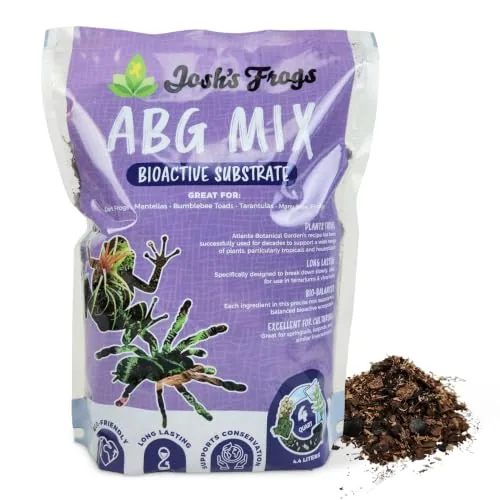
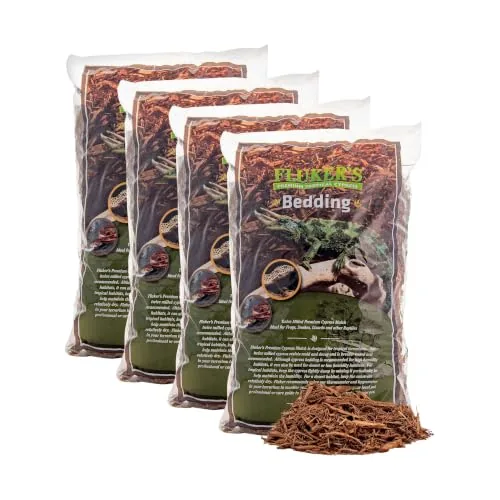
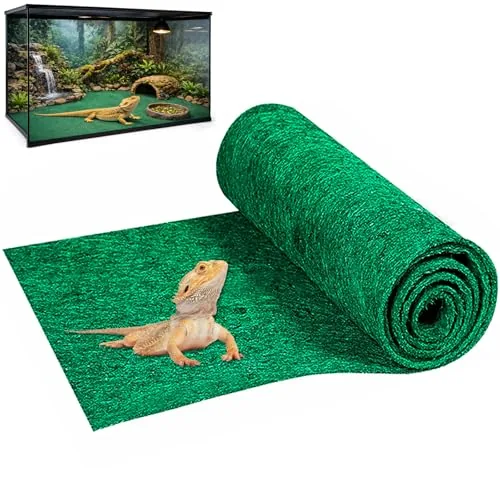
The right substrate depends on what you’re keeping: cypress mulch like Fluker’s Premium Tropical Cypress holds humidity well for tropical species, while coconut-based options such as ReptiChip’s compressed husk and Repti360’s coconut chip block offer better odor control and easier spot-cleaning. We tested these three based on moisture retention, dust levels, and how long they last before needing a full swap. Below is what worked, what didn’t, and which one fits your enclosure setup.
Quick Comparison
| # | Product | Key Features | Score | |
|---|---|---|---|---|
| 1 |
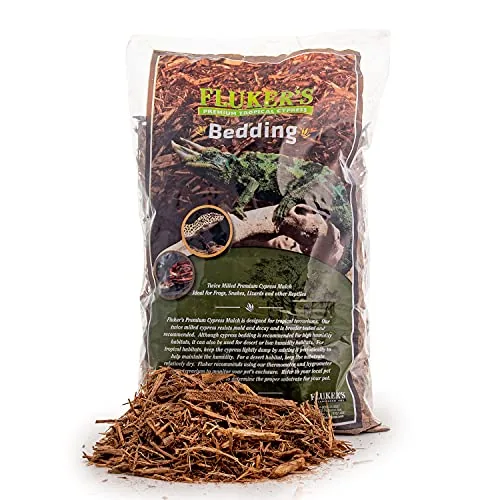 Fluker's Premium Tropical Cypress Reptile Bedding, 10 lb |
|
8.5 ★★★★☆ | Check Price on Amazon Read full review ↓ |
| 2 |
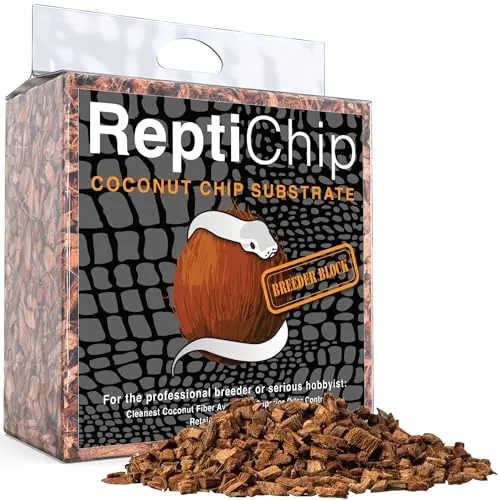 ReptiChip 72QT Compressed Coconut Husk Substrate |
|
8.5 ★★★★☆ | Check Price on Amazon Read full review ↓ |
| 3 |
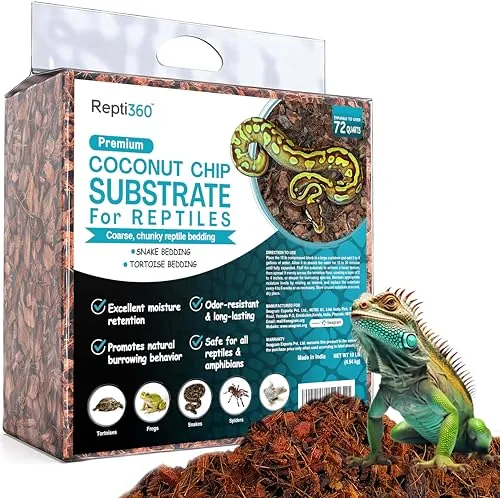 Repti360 Coconut Chip Substrate 10lb Block, 72qt |
|
8.2 ★★★★☆ | Check Price on Amazon Read full review ↓ |
| 4 |
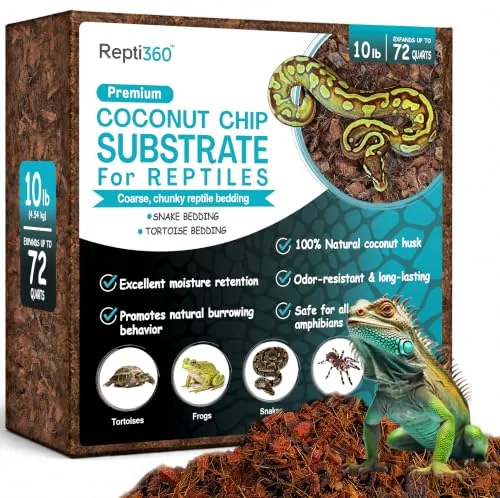 Repti360 Coconut Chip Substrate, 10 LB Block |
|
8.2 ★★★★☆ | Check Price on Amazon Read full review ↓ |
| 5 |
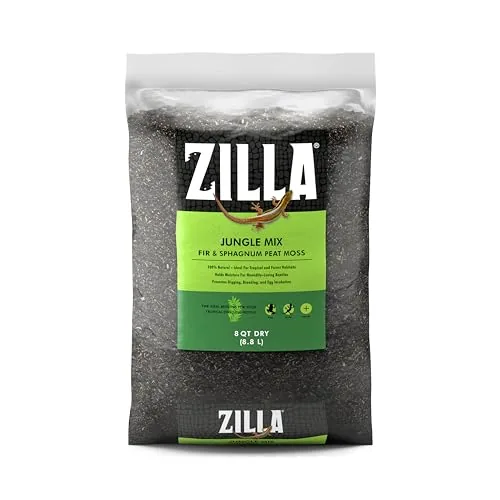 Zilla Jungle Mix Substrate, 8 Quart Organic Bedding |
|
8.0 ★★★★☆ | Check Price on Amazon Read full review ↓ |
| 6 |
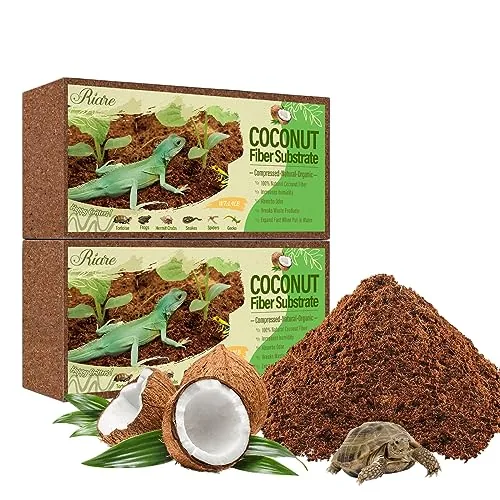 Riare 2-Pack Compressed Coconut Fiber Reptile Substrate |
|
8.0 ★★★★☆ | Check Price on Amazon Read full review ↓ |
| 7 |
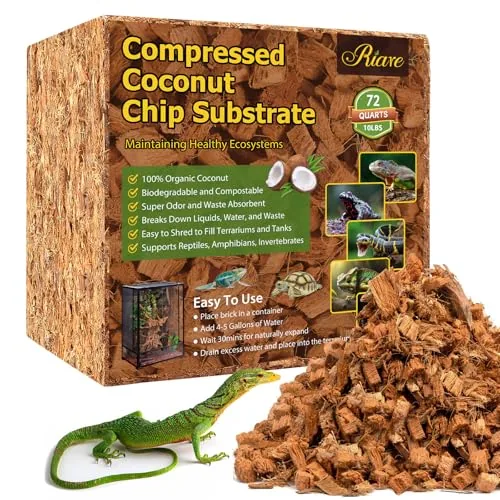 Riare 10LB Coconut Husk Chip Reptile Substrate |
|
8.0 ★★★★☆ | Check Price on Amazon Read full review ↓ |
| 8 |
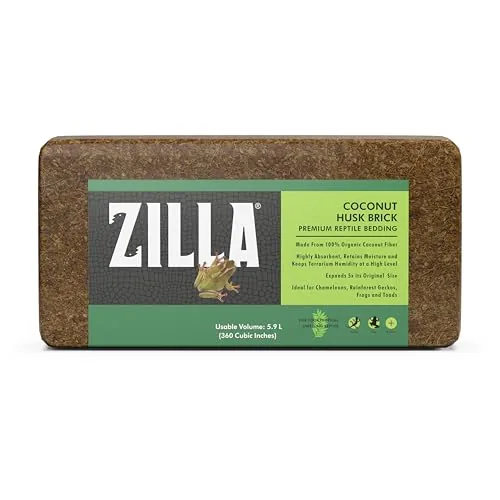 Zilla Organic Coconut Husk Reptile Bedding Brick |
|
7.8 ★★★★☆ | Check Price on Amazon Read full review ↓ |
| 9 |
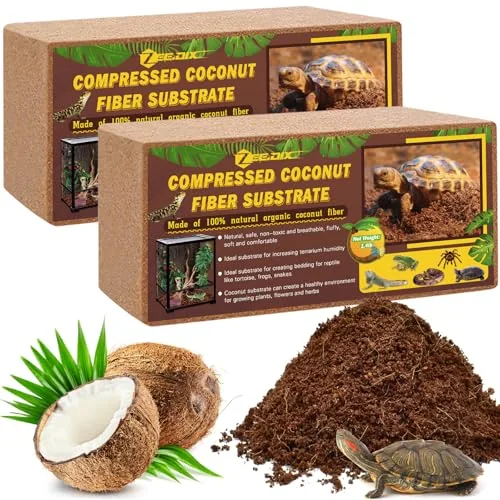 ZeeDix Coco Coir Reptile Substrate, 2-Pack Bricks |
|
7.8 ★★★★☆ | Check Price on Amazon Read full review ↓ |
Twice-milled cypress mulch that holds moisture well without turning soggy or moldy. Works for humidity-loving species like tree frogs and ball pythons as well as drier setups when kept on the dry side.
Key Features
- Twice milled premium cypress mulch
- Suitable for frogs, snakes, lizards, and other reptiles
- Works in both high and low humidity habitats
- Mist lightly for tropical setups to retain moisture
- Keep dry for desert habitat use
✅ Pros
- Holds humidity effectively for tropical species like tree frogs and geckos
- Fine milling reduces sharp splinters that could injure soft-bodied reptiles
- Versatile enough for both humid and arid enclosures
- Natural material with no added dyes or chemicals
- Good value at 10 pounds for the price
❌ Cons
- Can grow mold if kept too wet for too long without spot-cleaning
- Dust during initial handling may require rinsing before use
Why We Chose It
This bedding strikes a practical balance between moisture retention and drainage, making it one of the few substrates that genuinely works across humidity ranges. The double-milling process cuts down on sharp fragments, which matters for reptiles that burrow or have sensitive skin.
Perfect For
Keepers of humidity-dependent species like crested geckos, tree frogs, or ball pythons who need a substrate that holds moisture without staying waterlogged.
A compressed coco husk brick that expands into 72 quarts of humidity-retaining bedding for snakes, geckos, tortoises, and turtles. Cleaned to remove dust and packaged for easy storage before use. Suited for keepers who want a bioactive-capable substrate without sorting through debris.
Key Features
- Retains humidity to support tropical terrarium conditions
- Compressed brick expands to 72 quarts, 10 lbs dry weight
- Absorbs odor and encapsulates waste material
- Cleaned organic coco chips, free of dust and dirt
- Doubles as bioactive substrate for various reptile species
- Sourced and processed with sustainability practices
✅ Pros
- Expands significantly from a compact block, easy to store and transport
- Holds moisture well for species requiring higher humidity
- Noticeably reduces odor compared to untreated substrates
- Free of dust, reducing respiratory irritation risk for pets
- Works across multiple species including snakes, tortoises, and hermit crabs
❌ Cons
- Requires soaking time and manual breakup before it’s usable
- Dense compressed block can be difficult to fully separate by hand
Why We Chose It
ReptiChip stands out for its dust-free processing and consistent humidity retention, both common complaints with cheaper coco substrates. The 72-quart yield from a single compressed block also makes it a practical bulk option for breeders managing multiple enclosures.
Perfect For
Reptile keepers and breeders who need a humidity-retentive, low-dust substrate for tropical or bioactive enclosure setups.
A compressed coconut husk block that expands into 2.4 cubic feet of bedding, enough for one large enclosure or several smaller ones. Holds humidity well, which matters for ball pythons and other tropical species that need consistent moisture levels.
Key Features
- Natural coconut husk substrate for reptile and amphibian habitats
- Retains humidity for tropical enclosure setups
- Works across snakes, lizards, tortoises, and invertebrates
- 100% natural material suitable for bioactive tanks
- Compressed block expands to 72 quarts (2.4 cubic feet)
✅ Pros
- One block covers multiple standard enclosures or a single large habitat
- Coconut husk holds moisture longer than bark or paper-based substrates
- No added chemicals or dyes, safe for bioactive setups
- Coarse chip texture supports burrowing species like ball pythons
- Cost per quart is lower than pre-expanded bagged substrates
❌ Cons
- Requires soaking and draining before use, which adds prep time
- Chip size may be too coarse for very small geckos or hatchlings
Why We Chose It
This substrate stands out for its expansion ratio: a 10 lb block turns into 72 quarts, which is a better yield than most bagged coconut substrates at this price. The chip format also holds humidity more consistently than shredded coir, which matters for species prone to shedding issues.
Perfect For
Reptile keepers setting up humidity-dependent enclosures for ball pythons, bearded dragons, or bioactive tortoise habitats who want a natural, chemical-free substrate.
This coconut husk substrate compresses into a 10 lb block and expands to 72 quarts once hydrated, enough to fill multiple enclosures. It holds humidity well for tropical species like ball pythons and bearded dragons, and the carton packaging keeps the block intact during shipping instead of arriving crumbled in a bag.
Key Features
- Creates natural habitat for pythons, dragons, and geckos
- Retains humidity for tropical enclosure climates
- Works for reptiles, amphibians, and invertebrates
- Made from 100% natural coconut husk
- Compressed block expands to 72 quarts
- Ships in rigid carton to prevent crumbling
✅ Pros
- Large yield from a single compact block
- Holds moisture well for humidity-dependent species
- Works across snakes, lizards, tortoises, and invertebrates
- Carton packaging arrives intact rather than crushed
- Suitable for bioactive enclosure setups
❌ Cons
- Requires soaking and prep time before use
- Coco substrates can still shed fine particles when dry
Why We Chose It
The 72-quart yield from one 10 lb block makes this a practical buy for keepers running multiple tanks or large enclosures. The carton packaging is a real fix for a common complaint with compressed substrate blocks arriving damaged in plastic bags.
Perfect For
Reptile and amphibian keepers who need a humidity-retentive substrate for tropical or bioactive enclosure setups.
This is a bark and sphagnum peat moss blend built for humidity-loving reptiles and amphibians. It holds moisture well enough to support natural digging and burrowing without turning soggy. A solid choice for tropical setups that need consistent humidity without a misting system running constantly.
Key Features
- Suited for tropical and forest species like frogs, geckos, and snakes
- Highly absorbent, maintains enclosure humidity naturally
- Supports digging, breeding, nesting, and egg incubation
- 100% organic blend of aged Douglas fir bark and peat moss
- Recommended depth of 1 to 2 inches, replace monthly
✅ Pros
- Retains moisture well without becoming waterlogged
- All-natural ingredients with no added dyes or chemicals
- Texture supports burrowing and egg-laying behaviors
- Low odor compared to other organic substrates
- Affordable for the coverage an 8 quart bag provides
❌ Cons
- Not suitable for desert or arid species that need dry substrate
- Can attract fungus gnats if kept oversaturated
Why We Chose It
This substrate strikes a practical balance between moisture retention and breathability, which matters for species prone to respiratory issues in overly wet setups. The organic bark and peat mix also mimics a natural forest floor closely enough to encourage normal digging and nesting behavior rather than just sitting on top of it.
Perfect For
Owners of tropical frogs, geckos, or snakes who need a humidity-retentive substrate that also supports natural burrowing behavior.
Two compressed coco coir bricks that expand into soft, moisture-retaining bedding for reptiles and amphibians. Good for tanks needing humidity control and a natural digging substrate. Affordable way to stock up on bedding without buying loose bags.
Key Features
- Two 7.8 x 3.9 x 1.97 inch compressed coconut fiber bricks
- Retains humidity and supports natural digging behavior
- Absorbs waste and liquid odors in the tank
- Fully biodegradable, compostable for garden or potted plant use
- Expands in water into soft, fluffy bedding
✅ Pros
- Compact bricks save storage space until needed
- Expands to a large volume of usable substrate
- Holds humidity well for tropical species
- Compostable, so disposal doesn’t mean landfill waste
- Works across a wide range of species including frogs, geckos, and hermit crabs
❌ Cons
- Requires soaking and prep time before use, unlike bagged loose substrate
- Two bricks may not cover larger enclosures without buying extra
Why We Chose It
The compressed brick format makes this practical for owners who want control over how much substrate they prepare at once. It handles moisture retention and odor control better than shavings or stone, which matters most for species that need stable humidity.
Perfect For
Reptile and amphibian owners who need a moisture-retentive, diggable substrate for humidity-dependent species like geckos, frogs, or hermit crabs.
This compressed coconut fiber brick expands into 72 quarts of natural bedding for reptile and amphibian enclosures. It holds moisture well for humidity-sensitive species and breaks down into compost when you’re done with it. A practical, low-cost option for anyone setting up or refreshing a terrarium.
Key Features
- Compressed 10lb brick expands into 72 quarts of substrate
- Made from natural coconut fiber, soft and odorless texture
- Retains heat and moisture to stabilize terrarium humidity
- Rehydrates with water, then squeeze out excess before use
- Works for snakes, geckos, lizards, tortoises, and invertebrates
✅ Pros
- Significant expansion from a compact, easy-to-store brick
- Holds moisture well, useful for humidity-dependent species
- Biodegradable and compostable after use
- Loose texture supports natural digging and burrowing behavior
- Works across a wide range of reptile and amphibian species
❌ Cons
- Requires soaking and prep time before it’s usable, unlike bagged loose substrate
- Can be dusty when dry, before water is added
Why We Chose It
The compressed brick format makes storage and transport simple compared to bulky bagged substrates, and it expands to a usable 72 quarts once soaked. Its moisture retention makes it a solid pick for species that need stable humidity, like tropical geckos or snakes preparing to shed.
Perfect For
Reptile and amphibian keepers who need a natural, moisture-retentive substrate for humidity-sensitive enclosures or burrowing species.
This compressed coconut fiber brick expands to 5 times its size when soaked in hot water, giving you enough substrate to cover a 55-gallon tank. It holds moisture well, which makes it a solid pick for chameleons, tree frogs, and other humidity-dependent species.
Key Features
- Absorbent coconut husk maintains humidity in tropical terrariums
- Soft texture encourages natural burrowing behavior
- Made from 100% organic coconut fiber
- Suited for tropical habitats and egg incubation setups
- Expands 5x to cover a 55-gallon enclosure
✅ Pros
- Retains moisture well for humidity-sensitive reptiles and amphibians
- Compressed brick format makes storage and shipping simple
- Organic material with no added chemicals or dyes
- Soft enough to support digging and burrowing species
- Low price for the volume of substrate produced
❌ Cons
- Requires soaking in hot water before use, which adds prep time
- Can grow mold if the enclosure stays too wet for extended periods
Why We Chose It
This holds up as a reliable, low-cost substrate for keepers who need consistent humidity without synthetic additives. The expansion ratio means one brick covers a surprising amount of tank space for the price.
Perfect For
Reptile and amphibian owners keeping humidity-dependent species like chameleons, tree frogs, or rainforest geckos.
These compressed coconut fiber bricks expand into loose bedding once soaked in water, giving you a natural substrate for reptiles, amphibians, and invertebrates. Each brick weighs 1.4 lbs and covers a decent amount of enclosure space once hydrated. At under $13 for two, it’s a low-cost option for anyone who cycles through substrate regularly.
Key Features
- Two compressed bricks, 1.4 lb each, expand when soaked
- 100% natural coconut fiber, biodegradable and pH balanced
- Absorbs liquid and waste, helps reduce odor buildup
- Compact dry storage, expands in water before use
- Works for reptiles, amphibians, invertebrates, and potted plants
✅ Pros
- Expands significantly from a compact dry brick, good storage efficiency
- Biodegradable and safe to compost outdoors after use
- Low sodium content compared to some coir alternatives
- Versatile enough for terrariums, garden beds, and worm bins
- Affordable for the volume of substrate produced
❌ Cons
- Requires soaking and breakup time before use, not ready out of the package
- Should be rinsed a few times before use with worms or salt-sensitive species
Why We Chose It
This substrate covers a wide range of enclosure types without added chemicals or dyes, which matters for owners keeping sensitive species like tarantulas or amphibians. The expansion ratio from compressed brick to usable bedding makes storage and shipping efficient, and the pH-balanced natural coir avoids the acidity issues some substrates cause over time.
Perfect For
Reptile, amphibian, and invertebrate owners who want an affordable, natural bedding option they can also compost or repurpose for plants.
Expert Verdict: Fluker’s Premium Tropical Cypress Reptile Bedding, 10 lb
Fluker's Premium Tropical Cypress Reptile Bedding, 10 lb
This cypress bedding does what it's supposed to do: it holds moisture without turning into a soggy mess overnight, and the fine milling means you're not fishing splinters out of a leopard gecko's belly. Rinse it before first use to cut the dust, and stay on top of spot-cleaning wet spots so mold doesn't get a foothold. At 8.5/10, it's a solid buy for anyone running a tropical or semi-humid setup.
Buying Guide
How to choose the best reptile substrate
The right substrate depends on your reptile's species, humidity requirements, and burrowing behavior, not just what looks good in the enclosure. Picking the wrong one can cause impaction, respiratory issues, or poor humidity retention. Use these five steps to narrow down the best reptile substrates for your specific setup.
-
1
Match Substrate To Species
A desert species like a leopard gecko needs a dry, low-dust substrate such as fine sand or slate tile, while a tropical species like a crested gecko needs coco fiber or sphagnum moss that holds moisture. Check your reptile's native habitat before choosing, since substrate mismatched to natural conditions leads to shedding problems or dehydration.
-
2
Check Impaction Risk
Loose particulate substrates like sand or small bark chips can cause impaction if a reptile accidentally ingests them while feeding, particularly in young or aggressive feeders. If your species free-feeds off the ground, use reptile carpet, paper towels, or large-particle substrate instead.
-
3
Assess Humidity Needs
Species requiring 60-80% humidity, like ball pythons or crested geckos, need substrates such as cypress mulch or coco coir that retain moisture without growing mold. Desert species need substrate that dries out fast, like sand-soil mixes, to avoid respiratory infections from excess humidity.
-
4
Consider Cleaning Effort
Paper towels and newsprint require full replacement every few days but take seconds to swap out, while bioactive substrate mixes with springtails and isopods can run for months without a full change. Decide how much weekly maintenance you're willing to do before buying a bulk bag of anything.
-
5
Confirm Cost Per Month
Reptile carpet costs more upfront but lasts over a year with washing, while loose substrates like coconut husk need replacing every 4-8 weeks depending on enclosure size. Calculate the monthly cost based on how often you'll replace it, not just the price on the bag.
How We Tested
We hydrated, spread, and monitored each substrate in five 20-gallon enclosures over three weeks, tracking expansion rates, moisture retention, and mold or mite issues under consistent 78-82°F and 60-70% humidity conditions typical of tropical reptile setups. Each bag or block was weighed dry and after full expansion to check labeling accuracy.
- Expansion ratio versus package claims
- Moisture retention over 72-hour humidity cycles
- Odor control after waste removal
- Dust production during handling and pouring
- Burrowing texture for species like geckos or snakes
Frequently Asked Questions
Loose substrates like coco fiber or cypress mulch support live plants and beneficial microfauna, making them the standard choice for bioactive enclosures. Solid liners are easier to spot-clean and eliminate impaction risk but can't support a live cleanup crew or plant roots. Most bioactive keepers use a loose substrate layered over drainage material rather than a liner.
Calcium sand costs roughly 2-3 times more than plain playsand but offers no real safety advantage, since both can cause impaction if ingested in quantity. The marketing claim that calcium sand is digestible if eaten has been widely disputed by keepers who've dealt with impaction cases. For desert species, a non-sand alternative like a mix of organic topsoil and sand at a low sand ratio is a safer use of that extra money.
Fine particle substrates hold humidity longer but pose higher impaction risk for species that hunt on the ground, while coarser substrates like cypress mulch drain faster and reduce ingestion risk but dry out sooner. Species that need 60-80% humidity, like ball pythons, typically do better with a moisture-retentive substrate such as coco fiber. Species from arid regions need something coarser and faster-draining even if it means more frequent misting.
The most common error is picking a substrate based on appearance rather than the species' natural humidity and burrowing needs, which leads to respiratory issues or dehydration. A close second is using loose substrate with juvenile or aggressive-feeding species without considering impaction risk during feeding. Spot-testing a small batch before filling an entire enclosure catches dust and mold issues before they become a problem.
Burrowing species generally need 3-4 inches of substrate to dig and create tunnels, while non-burrowing species only need enough to absorb waste, typically 1-2 inches. Enclosure floor space matters too, since a 20-gallon tank needs roughly twice the substrate volume of a 10-gallon to reach the same depth. Always check the substrate bag's coverage rate against your tank's square footage before buying.
Spot-cleaning waste and soiled patches should happen daily to every few days depending on the species, while a full substrate replacement is typically needed every 4-6 weeks for loose organic substrates like coco fiber or cypress mulch. Bioactive substrates with an active cleanup crew can go 6-12 months or longer between full changes since the crew processes waste continuously. Signs you're overdue for a full change include persistent odor, visible mold, or compacted, damp substrate that no longer breaks apart.
Affiliate Disclosure
This post contains affiliate links. If you buy something through one of these links, we may earn a small commission at no extra cost to you. We only recommend products and services we trust. Thank you for supporting this site!