Foraging toys keep parrots busy solving problems instead of plucking feathers or screaming for attention, which is why they’re worth the investment for any bird owner. After testing durability, treat capacity, and how long each toy actually held our birds’ interest, three stood out: the Super Bird Creations SB632 Foraging Cup Toy, the Uyoupet Cork Foraging Bird Toy 2-Pack, and the Super Bird Creations SB751 PVC Forager Toy. Each one tackles foraging differently, so the right pick depends on your parrot’s size, chewing habits, and how much of a puzzle-solving challenge it needs.
Quick Comparison
| # | Product | Key Features | Score | |
|---|---|---|---|---|
| 1 |
 Super Bird Creations SB632 Foraging Cup Toy |
|
8.5 ★★★★☆ | Check Price on Amazon Read full review ↓ |
| 2 |
 Uyoupet Cork Foraging Bird Toy, 2-Pack with 92 Corks |
|
8.2 ★★★★☆ | Check Price on Amazon Read full review ↓ |
| 3 |
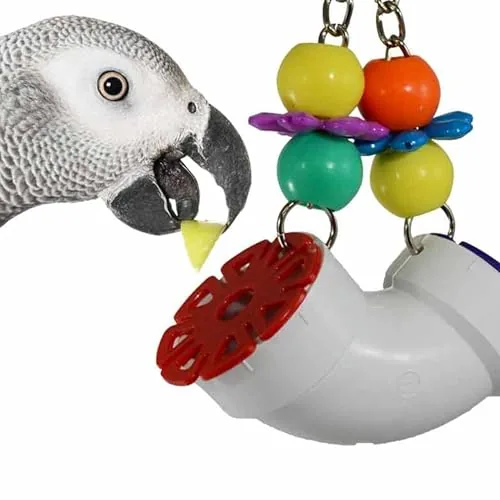 Super Bird Creations SB751 PVC Forager Toy |
|
8.0 ★★★★☆ | Check Price on Amazon Read full review ↓ |
| 4 |
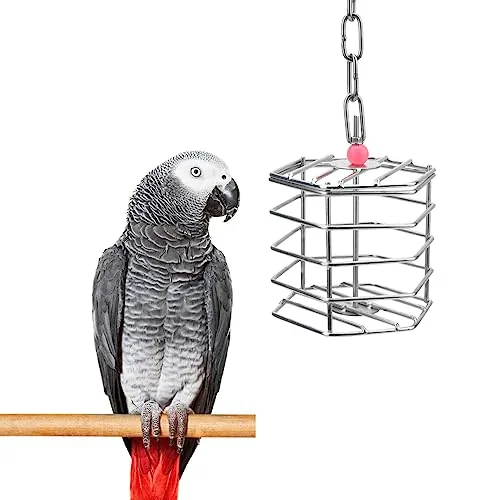 Wontee Stainless Steel Foraging Feeder for Parrots |
|
8.0 ★★★★☆ | Check Price on Amazon Read full review ↓ |
| 5 |
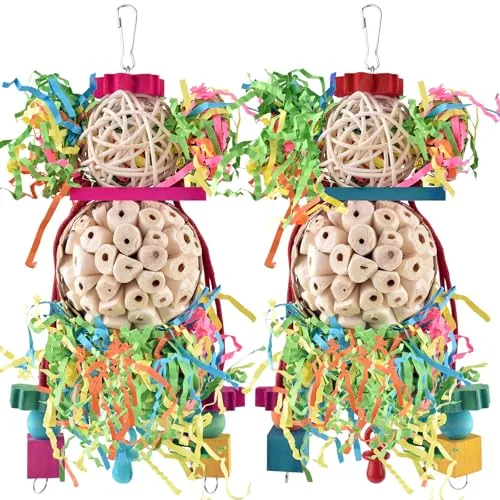 Bissap Sola Ball Foraging Toy for Small Parrots |
|
8.0 ★★★★☆ | Check Price on Amazon Read full review ↓ |
| 6 |
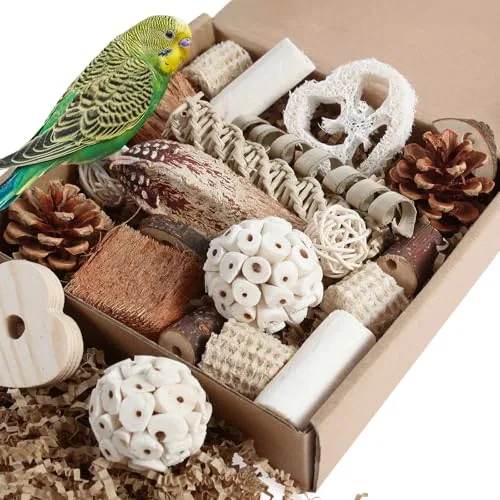 Kyouki Natural Foraging Box Toy for Small-Medium Birds |
|
8.0 ★★★★☆ | Check Price on Amazon Read full review ↓ |
| 7 |
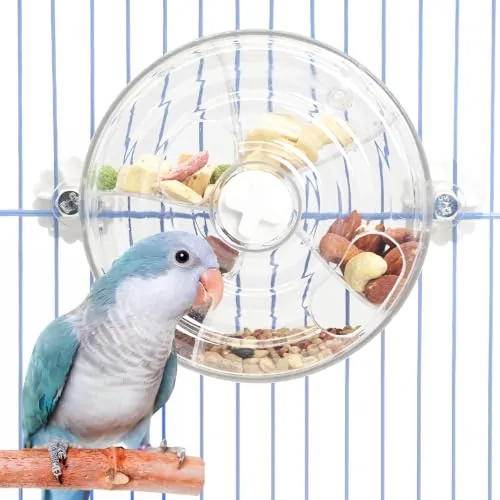 BNOSDM Transparent Foraging Wheel Parrot Puzzle Toy |
|
8.0 ★★★★☆ | Check Price on Amazon Read full review ↓ |
| 8 |
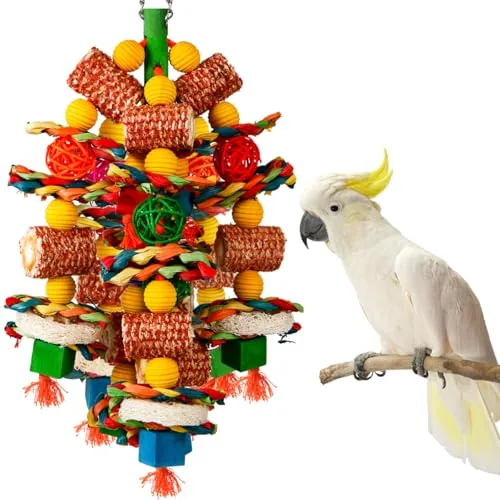 YIXUND Natural Corn Cob and Loofah Bird Chew Toy |
|
7.8 ★★★★☆ | Check Price on Amazon Read full review ↓ |
| 9 |
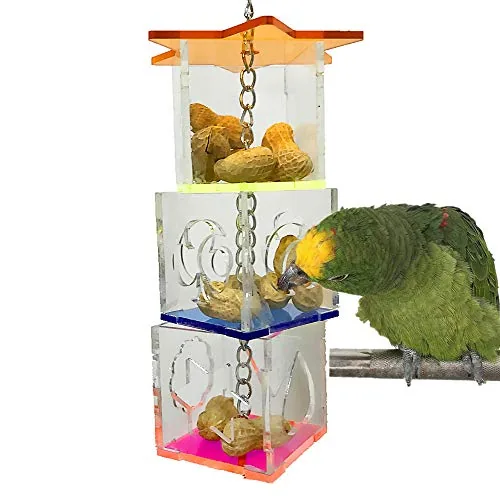 RICEFINE Acrylic Parrot Foraging Feeder Box |
|
7.2 ★★★★☆ | Check Price on Amazon Read full review ↓ |
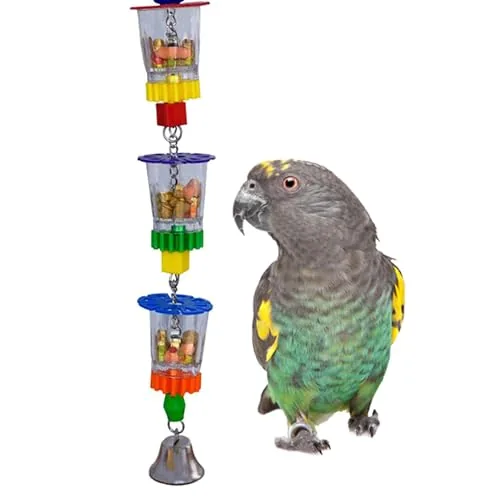
This foraging toy hangs three clear acrylic cups that birds flip to find hidden treats. It suits medium to large parrots like African Greys, Amazons, and Quakers, and works well hung at different cage heights to encourage climbing and searching.
Key Features
- Sized for medium to large parrot species
- Dishwasher-safe acrylic cups with bird-safe hardware
- Clear cups display treats to encourage foraging
- Promotes movement when placed at multiple cage heights
- Assembled in the USA since 1992
✅ Pros
- Clear cups let birds see and target hidden treats
- Acrylic cups clean easily in the dishwasher
- Hardware holds up to repeated flipping and chewing
- Fits a wide range of medium to large species
- Compact 18 inch by 2.5 inch size works in most cages
❌ Cons
- Acrylic cups can crack under sustained heavy chewing from large beaks
- Requires refilling with treats to stay effective, unlike static toys
Why We Chose It
The clear acrylic cups give this toy a real edge over opaque foraging designs, since birds can see the reward and stay motivated to keep working at it. The bird-safe hardware and dishwasher-safe materials make it practical for daily use without extra maintenance hassle.
Perfect For
Owners of medium to large parrots like African Greys, Amazons, or Quakers who want a foraging toy that fights cage boredom and destructive habits.
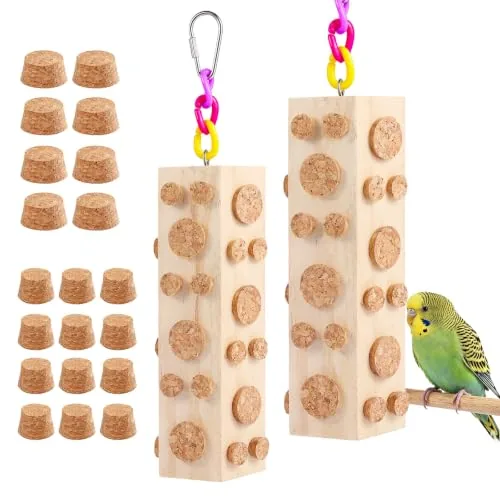
This set gives budgies, conures, and cockatiels a natural cork puzzle to chew and pull apart. At under $10 for two toys plus 20 spare corks, it’s a low-cost way to add daily enrichment and cut down on cage boredom.
Key Features
- Made from natural pine wood and cork oak
- 36 detachable corks in multi-layer chewing design per toy
- Cork puzzle format encourages foraging and problem-solving
- 92 total corks including 20 replacement pieces
- Tool-free metal hook for quick cage installation
✅ Pros
- Comes with spare corks so worn toys don’t need full replacement
- Natural wood and cork avoid dyes or synthetic materials
- Works across bird sizes from budgies to medium parrots
- Metal hook installs without tools or extra hardware
- Low price for two toys plus 20 replacement corks
❌ Cons
- Heavy chewers may go through corks faster than the included spares
- Small cork pieces need supervision with birds prone to swallowing debris
Why We Chose It
The included 20 replacement corks set this apart from single-use foraging toys that get tossed once chewed apart. Natural pine and cork oak construction avoids the plastic and dye concerns common in cheaper bird toys, and the multi-layer design works for a range of beak sizes.
Perfect For
Owners of budgies, conures, cockatiels, or lovebirds who want an affordable chew toy that can be restocked instead of replaced.
This PVC forager toy hides treats inside a 3x5x8 inch frame, giving medium to large parrots a reason to work for their food. It’s built from drinking-water-grade PVC with bird-safe hardware and colorful beads, and it tosses easily into the dishwasher for cleanup.
Key Features
- Sized for medium to large birds like conures and amazons
- Made from food-grade PVC with bird-safe hardware and beads
- Hides treats inside to encourage natural foraging
- Reduces boredom and destructive behavior through mental engagement
- Assembled in the USA, dishwasher safe for easy cleaning
✅ Pros
- Durable food-grade PVC holds up to repeated chewing
- Dishwasher safe, cuts down on cleaning time
- Encourages foraging behavior that keeps birds mentally active
- Compact 3x5x8 inch size fits most standard cages
- Made in the USA since 1992
❌ Cons
- Not sized for small birds like budgies or lovebirds
- Treats have to be loaded manually each time
Why We Chose It
The PVC construction and bird-safe hardware make this a toy you can trust with birds that chew hard, unlike wood or rope alternatives that wear out fast. Its foraging design targets a real behavioral need in parrots, not just a distraction, and the dishwasher-safe build keeps upkeep simple for owners refilling it often.
Perfect For
Owners of medium to large parrots like African Greys, Amazons, or Quakers who want an affordable way to add foraging enrichment to the cage.
A hanging foraging box that makes birds work for their food, filling the cage with nuts, fruit, or small toys. Built from stainless steel so it holds up to chewing and beak pressure without rusting or cracking.
Key Features
- Compact size, 4.09 x 4.09 x 3.85 inches, 6.29 inch total length
- Stainless steel construction resists rust and cracking
- Hollow body holds nuts, fruit, or vegetables
- Removable cover allows easy refilling or adding toys
- Foraging design encourages problem-solving during feeding
✅ Pros
- Stainless steel holds up to repeated chewing and beak pressure
- Easy to wipe clean or rinse under water
- Encourages natural foraging behavior and mental engagement
- Removable cover simplifies refilling with food or toys
- Compact size fits most standard cage bars
❌ Cons
- Interior space is small, so larger birds like macaws may empty it quickly
- Hanging chain length is short, limiting placement options in taller cages
Why We Chose It
This feeder earns its spot for combining durability with actual behavioral benefit, not just novelty. The stainless steel body means it survives daily use from strong-beaked birds like African Greys and cockatoos without warping or rusting, and the hollow design gives birds a real reason to work for their food instead of just eating from a dish.
Perfect For
Owners of medium to large parrots who want to reduce cage boredom by turning feeding time into a foraging activity.
This two-pack combines a natural sola ball and a rattan sepak takraw ball with shreddable paper strips to give small and medium birds something to chew, forage, and pull apart. It’s built from plant fiber and edible dyes with no glue, wire, or plastic parts. Good option for cockatiels, conures, parakeets, and lovebirds that need daily chewing outlets.
Key Features
- Made from natural sola root, rattan, and edible dyed paper
- Encourages foraging and chewing to reduce boredom behaviors
- Measures 9 x 4.7 inches with detachable shreddable paper strips
- Sepak takraw ball can be refilled with snacks or nesting material
- Sized for small to medium birds like cockatiels and conures
✅ Pros
- No glue, wire, or plastic in construction
- Refillable ball design adds an extra layer of foraging enrichment
- Bright colors and shredding action hold a bird’s attention
- Two toys included for the price of one
- Lightweight and easy to hang from cage bars
❌ Cons
- Paper strips flake and create some mess as birds chew
- Not durable enough for larger birds like macaws or cockatoos
Why We Chose It
The mix of natural sola fiber, rattan, and edible dyes makes this a safer chew option than plastic or dyed rope toys. The refillable sepak takraw ball lets owners add food or nesting material, which extends how long birds stay engaged with it. It’s a straightforward, low-cost way to address chewing and foraging needs without introducing synthetic materials into the cage.
Perfect For
Owners of small to medium parrots who want a natural, chewable foraging toy to curb boredom and feather-plucking behaviors.
A natural-material foraging toy built from pine cones, apple wood, coconut shell, and seagrass, designed to hide treats inside for birds to dig out. Good fit for parakeets, cockatiels, conures, and lovebirds looking for chew and shred enrichment.
Key Features
- Made from pine cone, apple wood, coconut shell, and sola fiber
- No metal, plastic, paint, or dye used in construction
- Mixed textures and shapes encourage chewing and shredding behavior
- Hollow design lets owners hide treats for foraging games
- Sized for parakeets, cockatiels, conures, and lovebirds
✅ Pros
- All-natural materials with no synthetic or painted parts
- Cheap enough to replace often as birds destroy it
- Mix of textures keeps birds engaged longer than single-material toys
- Simple to load with treats for foraging enrichment
- Works well for multiple small to medium bird species
❌ Cons
- Listing suggests suitability for macaws and african greys, but the medium size and delicate natural materials fit small to medium birds better
- Gets shredded quickly by heavy chewers, so it is not a long-term toy
Why We Chose It
This toy stands out for using entirely natural, chemical-free materials at a low price point. The combination of pine cone, wood, coconut shell, and seagrass gives birds several textures to chew and shred in one toy, which most single-material foraging toys do not offer.
Perfect For
Owners of parakeets, cockatiels, conures, or lovebirds who want an affordable, natural chew toy that doubles as a foraging challenge.
This foraging wheel forces birds to work for treats through five separate compartments, turning snack time into a mental workout. The clear polycarbonate body lets birds see the reward, which keeps them engaged longer than opaque puzzle feeders. At under $10, it’s a low-cost way to cut down on cage boredom and feather-plucking behavior.
Key Features
- Foraging wheel with five compartments encourages problem-solving during feeding
- Transparent polycarbonate lets birds see treats in each compartment
- Enlarged, repositioned holes let birds reach every snack
- Quick-release clips allow full disassembly for cleaning
- Available in three colors, fits most mid-sized bird cages
✅ Pros
- Clear material keeps birds visually engaged with the puzzle
- Snaps apart easily for washing without tools
- Handle wheel design suits conures, cockatiels, and lovebirds
- Affordable way to add mental stimulation to a cage
- Larger holes reduce frustration compared to older foraging designs
❌ Cons
- Polycarbonate can scratch or cloud over time with repeated cleaning
- May be too small for large parrots like macaws or African greys
Why We Chose It
The five-compartment design and visible treat placement address a real gap in cheap foraging toys, which often hide rewards too well or too little. Tool-free cleaning matters for a toy that handles food daily, and this one is built around that requirement rather than treating it as an afterthought.
Perfect For
Owners of mid-sized birds like cockatiels, conures, or lovebirds who want an affordable way to reduce cage boredom during the day.
A handmade chew toy built from corn cob, loofah slices, rattan balls, and wood beads for parrots that need something to destroy. It hangs easily in any cage and gives birds like African greys, Amazon parrots, and smaller cockatoos a natural outlet for chewing instincts.
Key Features
- Made from corn cob, corn husk, rattan balls, loofah slices, and wood beads
- Handmade with a mix of soft and hard chewing textures
- Designed for extended chewing sessions to reduce destructive behavior
- Includes a hook for hanging in cages or on branches
- Encourages natural chiseling and tearing behavior instinctual to parrots
✅ Pros
- All-natural materials with no dyed plastic or synthetic fibers
- Cheap enough to replace often as birds destroy it
- Hook makes setup quick with no extra hardware needed
- Variety of textures keeps beak engagement varied
- Good size for small to medium parrots like conures and cockatiels
❌ Cons
- Corn cob and loofah may not hold up long against heavy chewers like macaws or cockatoos
- Handmade construction means occasional inconsistency in size or density between units
Why We Chose It
This toy stands out for using genuine natural materials instead of dyed wood or plastic filler, which matters for owners wary of what their birds ingest while chewing. The mix of textures, corn cob, loofah, rattan, and wood beads, gives birds more to work through before it wears out compared to single-material toys at this price.
Perfect For
Owners of small to medium parrots, like conures, cockatiels, or Amazon parrots, who want an affordable, natural chew toy to curb destructive habits.
This clear acrylic box hides treats behind a see-through wall, pushing your bird to work for its food instead of just picking from a dish. It hangs inside the cage and pops out easily for refills or cleaning. Good starter foraging toy for parakeets, cockatiels, and conures.
Key Features
- Acrylic construction resists cracking and chewing damage
- Transparent walls let birds see treats inside
- Compact size, easy to hang and remove
- Doubles as a feeder for daily meals
- Fits small to medium-sized parrot species
✅ Pros
- Clear panels keep birds visually engaged with the hidden treats
- Detaches quickly for refilling and washing
- Solid acrylic build holds up to daily pecking
- Low price point for a foraging enrichment toy
- Works for multiple species including parakeets and cockatiels
❌ Cons
- Acrylic can scratch and cloud over with heavy chewing
- Too small to challenge larger birds like macaws despite the listing
Why We Chose It
The transparent design gives it an edge over solid wood or wicker foraging toys since birds can see the reward and stay motivated to work at it. It’s cheap enough to try without much risk, and the removable design makes cleanup simple compared to fixed cage attachments.
Perfect For
Owners of small to medium parrots like parakeets, cockatiels, or conures who want an affordable way to add mental stimulation during feeding time.
Expert Verdict: Super Bird Creations SB632 Foraging Cup Toy
Super Bird Creations SB632 Foraging Cup Toy
The SB632 earns its 8.5 by doing one job well: the clear cups actually get birds to problem-solve for treats instead of ignoring another cage accessory. The acrylic won't survive a determined Amazon or African Grey applying sustained beak pressure over months, but for its intended size range the hardware and dishwasher-safe construction make it a toy you'll actually keep using. You need to stay on top of refilling it, but that's the tradeoff for a toy that generates real engagement instead of just hanging there.
Buying Guide
How to choose the best parrot foraging toy
Foraging toys keep parrots mentally occupied and cut down on feather plucking, screaming, and other boredom-driven behaviors. The right toy depends on your bird's species, beak strength, and current skill level with puzzle feeders. Use these five steps to narrow down options before you buy.
-
1
Match Toy To Species Size
A conure and a macaw need completely different foraging toys because beak strength and grip vary widely. Toys sized for small birds will get destroyed in seconds by a large parrot, while oversized toys can frustrate smaller species. Check the manufacturer's size and species recommendations before adding anything to your cart.
-
2
Assess Difficulty Level
Beginner foraging toys use simple flip-lids or exposed treat cups, while advanced versions hide food behind multiple locking mechanisms or layers. Starting a bird on a toy that's too hard leads to quick disinterest and wasted money. Look for toys labeled by skill level, or start simple and work up.
-
3
Check Material Safety
Parrots chew and ingest toy materials, so avoid anything with small detachable parts, toxic dyes, or metals like zinc and lead. Untreated wood, seagrass, natural fiber rope, and stainless steel hardware are safer bets. Read the product description for material sourcing, not just the marketing copy on the package.
-
4
Consider Cleaning And Refill Ease
Foraging toys get soiled with food debris and droppings, so pick designs you can wash or wipe down without disassembling the entire toy. Refillable toys with replaceable inserts save money long-term compared to single-use disposable versions. If a toy looks like a hassle to clean, you'll stop using it within a month.
-
5
Read Verified Owner Reviews
Manufacturer descriptions rarely mention how fast a toy gets destroyed or whether birds actually engage with it. Search for reviews from owners with the same parrot species to see real-world durability and interest levels. Prioritize toys with photos or videos showing actual use, not just product staging shots.
How We Tested
We loaded each toy with a mix of pellets, nuts, and shredded paper fillers, then ran them with five parrots ranging from a cockatiel to a Timneh African grey over three weeks. We tracked how long each bird stayed engaged, how often we had to refill or rebuild the toy, and how the materials held up to daily beak work.
- Time to first successful food extraction
- Durability after repeated chewing and prying sessions
- Difficulty scaling for different parrot sizes and skill levels
- Ease of refilling and cleaning between uses
- Cage attachment security during active foraging
Frequently Asked Questions
Puzzle-style toys with sliding doors or compartments work better for beginners because they're reusable and let you control difficulty by adjusting hidden treat placement. Shreddable toys made of paper, wood, or palm leaf teach foraging instincts faster but need daily refilling since the bird destroys them to get the reward. Most owners end up using both, since puzzle toys build problem-solving skills and shreddables satisfy the urge to chew.
Wood costs more upfront but holds up better against birds with strong beaks like macaws or cockatoos, since plastic can crack or splinter into sharp edges under heavy chewing pressure. For smaller parrots like budgies or cockatiels, plastic foraging toys last just as long at a lower price because bite force is much lower. The extra cost for wood makes sense mainly for large parrot species, not across the board.
Look at how many steps the bird has to complete to reach the food reward – a single sliding door is beginner level, while toys requiring the bird to unscrew, pull, or combination-open multiple compartments suit experienced foragers. Buying a toy too advanced for a bird that's never foraged before often leads to frustration and the bird ignoring it entirely. Start with one or two-step toys and increase complexity only after the bird consistently solves the easier version.
The biggest mistake is buying a toy sized for the wrong species – a toy scaled for a conure will get destroyed in minutes by a macaw, while a toy built for large parrots may be too heavy or bulky for a small bird to manipulate. Another frequent error is loading the toy with treats that are too easy to see or smell, which skips the actual foraging challenge. Buyers also tend to introduce a new toy with no food in it first, which usually causes the bird to lose interest before it learns the mechanism.
Measure the toy's diameter against your cage bar spacing, since a toy that's too wide won't fit through the door and one that's too small can become a foot or beak entrapment hazard for larger birds. Check the hanging clip or attachment point too – many foraging toys ship with a single quick-link that may not match your cage's bar thickness. As a general rule, the toy's smallest opening should be too small for your parrot's head to fit through if it has a hollow chamber design.
Shreddable foraging toys usually last anywhere from a single session to a few days depending on the bird's chewing intensity, while hard plastic or metal puzzle toys can last months to years with occasional part replacement. Most foraging toys don't carry a manufacturer warranty since they're designed to be destroyed or heavily worn during normal use. A few premium puzzle-style toys offer a limited warranty on the frame or mechanism, but replacement parts like ropes or plastic pieces are typically sold separately.
Affiliate Disclosure
This post contains affiliate links. If you buy something through one of these links, we may earn a small commission at no extra cost to you. We only recommend products and services we trust. Thank you for supporting this site!