A full tarantula setup runs $118.92 for the essentials, or $158.60 if you add every item on this list. The spider itself is often the cheapest line item, usually $10 to $40 depending on species, while the enclosure and life support gear make up the bulk of the bill. Most of that $118.92 goes toward things you buy once: the tank, substrate, heat mat, and hide. Food and cleaning supplies are the only recurring costs baked into this initial total.
The Full Parts List and What It Costs
| Item | Our pick | Priority | Price |
|---|---|---|---|
| Enclosure | Clioran PC Reptile Tank Large – Magnetic Sliding Lid | Essential | $29.99 |
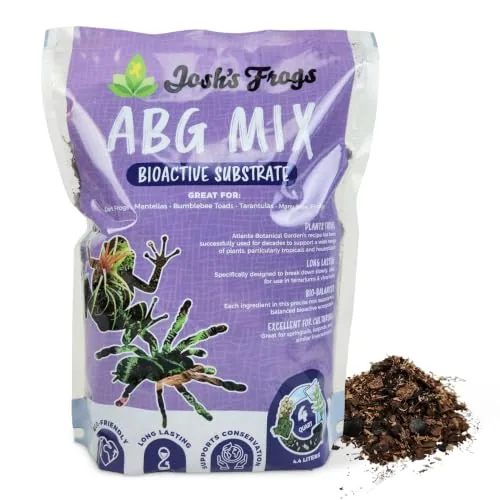
| Substrate | Zoo Med Reptisoil 10 qt – Bioactive Terrarium Substrate | Essential | $10.99 |
| Hide | Swirge Corner Cave Hide with Dual Viewing Windows | Essential | $9.99 |
| Water Dish | Zoo Med Repti Rock Water Dish, Small – 5in | Essential | $5.99 |
| Thermometer And Hygrometer | REPTI ZOO Analog Thermometer Hygrometer Dual Gauge | Essential | $11.99 |
| Heat Mat | BN-LINK Reptile Heating Pad with Digital Thermostat 8×12 | Optional | $29.69 |
| Terrarium Decor | IMIKEYA 4Pcs Natural Cork Bark Reptile Hides | Optional | $9.99 |
| Feeding Tongs | KIIDAS Stainless Steel Reptile Feeding Tongs, 2-Pack | Essential | $5.99 |
| Food | Generic 500ct Live Banded Crickets 3/4″ Gut Loaded | Essential | $26.99 |
| Cleaning Supplies | Absolutely Clean Enzyme Terrarium Cleaner & Deodorizer | Essential | $16.99 |
| Essential items only | $118.92 | ||
| Everything listed | $158.60 |
Where to Save and Where Not To
The enclosure ($29.99) and heat mat with digital thermostat ($29.69) are not places to cut corners. A tank without a secure lid means an escaped tarantula, and a heat mat without a working thermostat means a cooked one. The thermometer/hygrometer ($11.99) is equally non-negotiable since you can’t manage humidity you can’t measure. Where you can save: the terrarium decor ($9.99) and corner cave hide ($9.99) can be swapped for free cork bark or a plant pot you already own, and the feeding tongs ($5.99) can be any long tweezers from a hardware store.
Every Part, and What to Buy
Enclosure
Terrestrial species need floor space roughly 3 times their leg span with an entry point low enough to avoid fall injuries, since tarantulas rupture their abdomens easily on impact. Arboreal species need vertical height instead. A front or top opening acrylic or glass enclosure with secure latches prevents escapes, since tarantulas can push against loose lids.
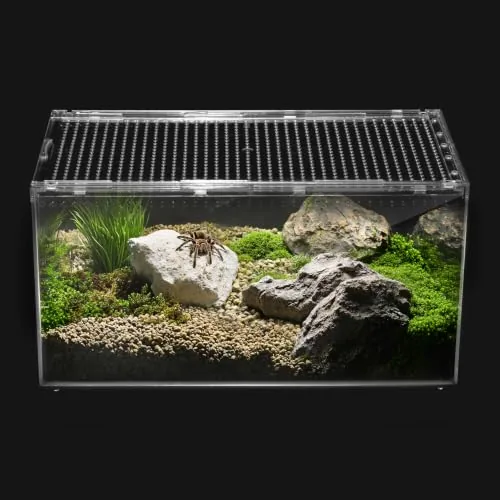
A clear polycarbonate enclosure built for tarantulas, hermit crabs, and similar exotic pets that need extra floor space. The magnetic sliding lid keeps access simple for feeding and misting while the cross-ventilation design supports both dry and humid setups.
Key Features
- Magnetic sliding lid for secure closure and easy access
- Large interior for substrate, hides, and water dishes
- Cross-ventilation openings on top and sides
- Clear shatter-resistant polycarbonate with smooth base
- Stackable design, enclosure only, no heat lamp included
✅ Pros
- Magnetic lid simplifies daily feeding and misting without full lid removal
- Extra interior room allows for multi-zone habitat layouts
- Ventilation supports both arid and humid species setups
- Polycarbonate construction is lighter and more impact-resistant than glass
- Stackable shape saves space for keepers with multiple enclosures
❌ Cons
- No heating or lighting included, so budget for those separately
- Exact interior dimensions aren’t specified, so measure your existing setup before buying
Why We Chose It
This enclosure stands out for combining a genuinely functional magnetic lid with enough interior volume to build a real habitat, not just a holding container. The polycarbonate build keeps it light enough to handle during cleaning while still resisting cracks better than glass.
Perfect For
Keepers of tarantulas, hermit crabs, or frogs who want a roomier, easy-access enclosure and plan to add their own heating and lighting setup.
Substrate
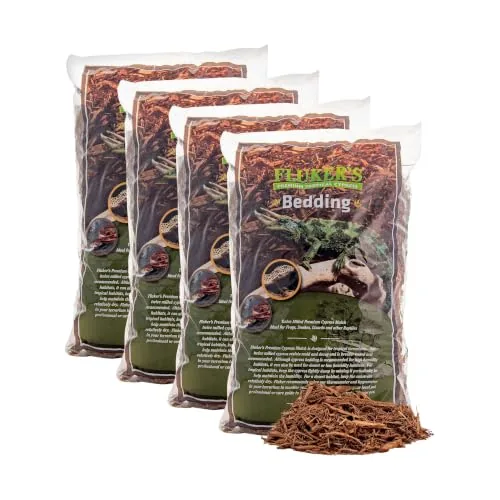
Coco fiber or a coco fiber and topsoil mix holds burrows and retains moisture better than reptile bark substrates. Depth matters more than brand: burrowing species like Grammostola or Brachypelma need 4 to 6 inches to dig, while arboreal species only need 1 to 2 inches to anchor webbing.
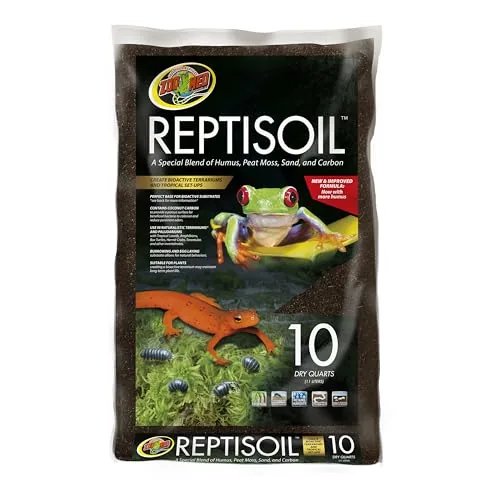
A coconut carbon-based substrate built for bioactive terrariums and paludariums. Supports live plants, beneficial bacteria, and natural burrowing behavior for tropical reptiles, amphibians, and invertebrates.
Key Features
- Formulated for bioactive terrariums and tropical set-ups
- Coconut carbon creates porous surface for bacteria, reduces odor
- Works for tropical lizards, amphibians, box turtles, hermit crabs, tarantulas
- Deep enough substrate supports burrowing and egg laying
- Supports long-term live plant growth in bioactive setups
✅ Pros
- Coconut carbon component noticeably cuts down ammonia and waste odor
- Holds moisture well without turning soggy or compacting
- Deep enough for burrowing species like box turtles and hermit crabs
- Supports live plant root systems for true bioactive setups
- Affordable at under $11 for a 10 qt bag
❌ Cons
- 10 qt covers only small to medium enclosures, larger tanks need multiple bags
- Not suited for arid or desert species that need drier substrate
Why We Chose It
This substrate handles the two things bioactive keepers care about most: odor control and plant support. The coconut carbon addition gives beneficial bacteria a place to colonize, which matters more than generic potting soil blends for long-term enclosure health.
Perfect For
Reptile and invertebrate keepers setting up bioactive terrariums or paludariums for tropical species that need humidity, burrowing room, and live plants.
Hide
A cork bark half-tube or flat piece gives the spider a dark retreat to reduce stress, since tarantulas are ambush predators that avoid open exposure. Size it so the spider fits snugly with legs tucked, not loose enough to become a second open space.
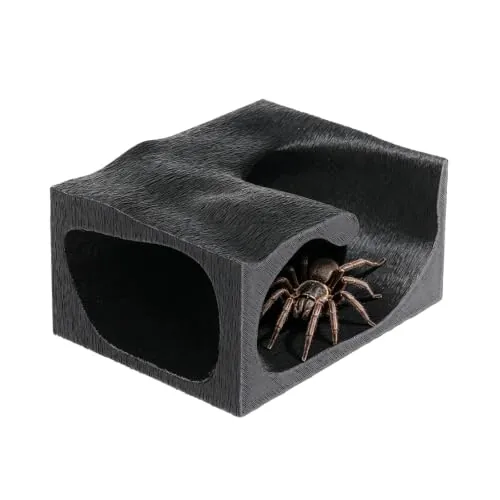
A corner-shaped hide built for slings and juvenile tarantulas that fits into unused enclosure space. Dual viewing windows let you check on your spider without lifting the lid, and the textured surface gives it something to climb.
Key Features
- Right-angle corner design fits 3.35 x 2.56 x 1.69 inch space
- 3D printed plastic, odorless and stable in humid enclosures
- Dual side windows for observation without opening the enclosure
- Textured surface encourages natural climbing behavior
- Fits acrylic enclosures and both rainforest and desert setups
✅ Pros
- Corner shape reclaims dead space other hides waste
- Windows let you check webbing and feeding activity without disturbing the spider
- Plastic construction holds up in high-humidity setups
- Textured surface gives slings a climbing surface right away
- Low price for a purpose-built enclosure accessory
❌ Cons
- Small footprint limits use to slings and juveniles, not adults
- Plastic won’t match the look of natural wood or resin decor
Why We Chose It
The corner-fit design solves a real space problem in small tarantula enclosures, and the viewing windows are a genuinely useful feature for daily checks. At under $10, it does one job well without overcomplicating the setup.
Perfect For
Keepers with tarantula slings or juveniles who want a compact hide that maximizes corner space and allows observation without disturbing the enclosure.
Water Dish
A shallow dish under 1 inch deep prevents drowning, since tarantulas cannot swim and can die in standing water over their book lungs. Bottle-cap sized dishes work for slings, while adults need a 2 to 3 inch diameter dish that will not tip when filled.
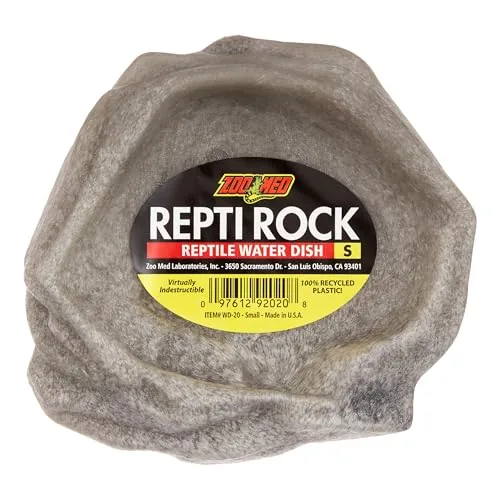
A basic recycled-plastic water dish sized for small reptiles and amphibians. The low profile and rounded edges make it easy for animals to climb in and out without tipping it over. At under six dollars, it’s a practical add for any small terrarium setup.
Key Features
- Low profile design for easy entry and exit
- Smooth non-porous surface resists bacteria buildup
- Made from 100% recycled plastic
- Available in multiple colors and sizes
- Measures 5 inches diameter by 3/4 inch deep
✅ Pros
- Shallow depth prevents drowning risk for small species
- Non-porous finish makes cleaning and disinfecting simple
- Rock-textured look blends into naturalistic tank setups
- Low cost makes it easy to buy multiples
- Made from recycled plastic
❌ Cons
- Small size limits capacity for larger reptiles or bigger water volumes
- Lightweight plastic can shift if an animal pushes against the rim
Why We Chose It
This dish solves the basic need for a stable, easy-clean water source without unnecessary features or cost. The shallow 3/4 inch depth suits geckos, small snakes, and juvenile reptiles that can struggle with deeper dishes. Its recycled plastic build keeps it affordable enough to buy several for different enclosures.
Perfect For
Owners of small reptiles or amphibians, such as leopard geckos or juvenile snakes, who need a shallow, easy-clean water dish for a small terrarium.
Thermometer And Hygrometer
Most tarantulas do well at 70 to 80F with humidity between 60 and 80 percent depending on species origin, and guessing leads to dehydration or mold. A digital combo unit with a probe gives accurate substrate-level readings instead of the inflated numbers analog dial gauges produce.
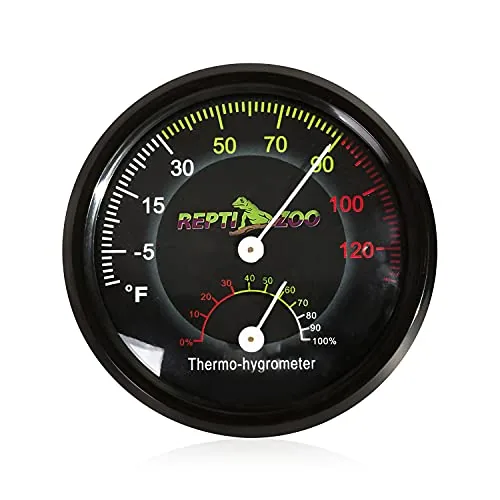
A basic analog dial that reads temperature and humidity inside a terrarium without needing batteries. The color-coded zones make it easy to check at a glance whether conditions are in range for your reptile. At $11.99 it’s a low-cost way to monitor a vivarium, though it lacks the precision of digital models.
Key Features
- Measures temperature and humidity in vivariums, hatchers, and brooders
- Color-coded segments for quick visual reading
- Sticky pad mount fits most surfaces
- Battery-free analog design
- 12-month quality assurance with 24-hour support response
✅ Pros
- No batteries required, so it keeps working indefinitely
- Sticky-pad mounting makes installation quick on glass or wood
- Color-coded dial is easy to read from across a room
- Inexpensive way to add basic monitoring to a terrarium
- 12-month warranty backs up a low-cost purchase
❌ Cons
- Analog readout is less precise than digital thermometers, especially near range boundaries
- Sticky pad adhesion can weaken over time in high-humidity enclosures
Why We Chose It
It solves the basic problem of tracking temperature and humidity in a reptile enclosure without adding another battery-powered device to maintain. The color-coded face and simple stick-on mount make it practical for anyone setting up a first terrarium.
Perfect For
Reptile keepers who want a simple, no-battery way to check basic temperature and humidity ranges without paying for a digital display.
Heat Mat (optional)
Only needed if room temperature drops below 65F, since most tarantula species tolerate a wider range than reptiles and overheating kills faster than mild cold. Mount it on the side of the enclosure, never the bottom, so the spider can move away from the heat rather than being trapped over a burrow.
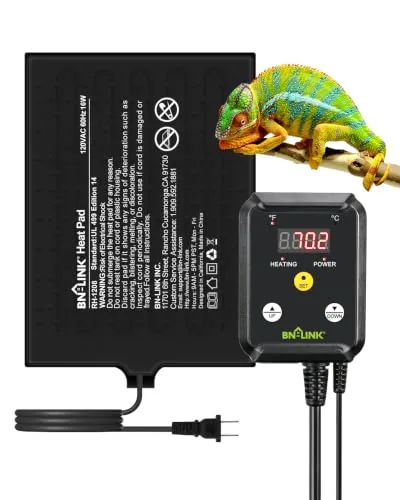
A digitally controlled under-tank heater built for 30-45 gallon reptile enclosures, with a probe-based thermostat that holds temperatures between 40-108°F. The 6-foot cord and grounded plug give you flexibility in tank placement without sacrificing safety.
Key Features
- Digital thermostat with 3-button interface and F/C display
- LED indicators show heating and power status in the dark
- 6-foot probe cord and grounded 3-prong plug
- Heats to 104-122°F, suited for 30-45 gallon tanks
- Water-resistant, flexible pad with 15-month warranty
✅ Pros
- Precise digital temperature control instead of a fixed-output pad
- Long 6-foot cord gives real placement flexibility around the tank
- LED status lights make it easy to check the unit at a glance
- Water-resistant construction holds up in humid terrarium setups
- Covers a wide 40-108°F range for different reptile species
❌ Cons
- 2-3 degree buffer zone means temperature swings before the heater kicks back on
- Sized for 30-45 gallon tanks, too small for larger enclosures
Why We Chose It
Most under-tank heaters run at a fixed output and leave you guessing at the actual pad temperature. This one pairs the pad with a probe-based thermostat, so you set an exact target and the controller manages the cycling. The LED status lights and long cord solve two common annoyances with cheaper heat mats: not knowing if the unit is running, and being stuck with placement options.
Perfect For
Reptile owners with a 30-45 gallon tank who want a specific, consistent temperature instead of guessing with an uncontrolled heat mat.
Terrarium Decor (optional)
Cork rounds, fake plants, or bark pieces give arboreal species climbing surfaces and web anchor points, and give terrestrial species extra cover to reduce time spent in the open. Keep pieces secured or half-buried so they cannot shift and crush the spider during burrowing.
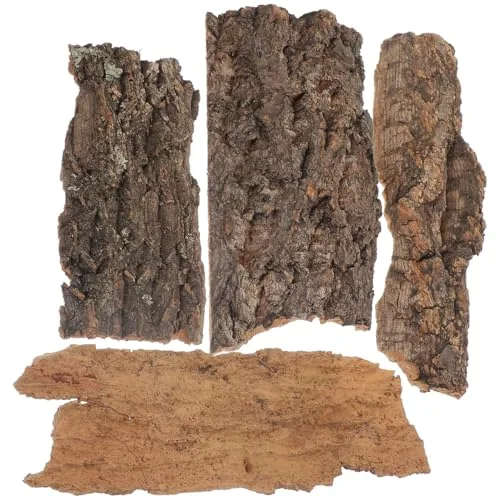
A 4-piece set of natural cork bark pieces for reptile and small pet enclosures. Works as a climbing surface, basking platform, or hide for lizards, geckos, and tortoises. Priced under $10, it’s a low-cost way to add texture and function to a terrarium.
Key Features
- Natural cork bark for climbing and hiding
- Flat shape fits standard terrarium and tank sizes
- Stain-resistant material holds up to habitat wear
- Textured surface safe for leopard geckos to climb
- Doubles as basking platform, climbing surface, and hide
✅ Pros
- Natural material blends into most terrarium setups
- Multi-purpose use as hide, platform, or climbing surface
- Affordable at under $10 for a 4-piece set
- Suitable for a range of small reptiles and inverts
❌ Cons
- Piece sizes vary since bark is a natural material, not uniform
- Listing description is vague on exact dimensions
Why We Chose It
This set covers three habitat functions in one purchase: hiding, climbing, and basking. The natural cork material gives a more authentic look than plastic or resin decor at a fraction of the price.
Perfect For
Owners of small reptiles like leopard geckos, small lizards, or tortoises who want functional, natural-looking terrarium decor on a budget.
Feeding Tongs
Long tongs, at least 10 inches, let you place prey near the spider without putting fingers in range of fangs or urticating hairs, which some New World species kick off in defense. Soft rubber tips prevent injuring the tarantula’s exoskeleton during feeding.
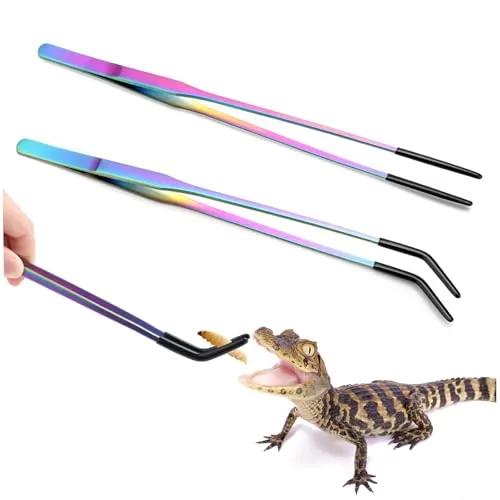
A two-piece set of 10.6-inch feeding tongs, one straight and one curved, with rubber tips that protect your reptile’s mouth during feeding. Built from stainless steel, they double as precision tools for aquascaping and terrarium maintenance. At under $6 for the pair, they’re a low-cost addition to any reptile or aquarium setup.
Key Features
- Rubber tips on both tongs prevent mouth injury during feeding
- Stainless steel construction resists corrosion and bending
- Ergonomic grip design improves control and reduces slips
- 10.6-inch length keeps hands safely away from reptiles
- Useful for tank decor and terrarium arranging beyond feeding
✅ Pros
- Rubber tips add grip and protect delicate mouths
- Corrosion-resistant stainless steel holds up to repeated use
- Two tong shapes cover different feeding and tank tasks
- Long reach keeps hands out of enclosures
- Affordable two-pack price point
❌ Cons
- Rubber tips may loosen or wear down with heavy daily use
- 10.6-inch length can feel oversized for small tanks or enclosures
Why We Chose It
The combination of a curved and straight tong in one set covers most feeding and tank maintenance needs without buying separate tools. Stainless steel construction means they won’t rust from repeated contact with water or food, and the rubber tips add a safety margin most bare-metal tongs lack.
Perfect For
Reptile owners feeding bearded dragons, snakes, or other pets live or cut food while keeping hands at a safe distance.
Food
Gut-loaded crickets or dubia roaches sized no larger than the spider’s body length are the standard diet, fed every 5 to 10 days for adults and every 2 to 3 days for slings. Oversized prey can injure a tarantula during a molt when its exoskeleton is still soft.
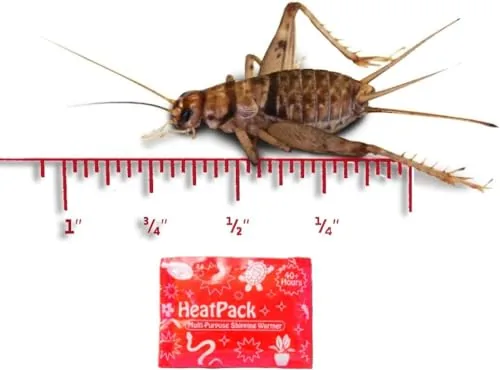
This is a bulk order of 3/4 inch banded crickets, gut loaded before shipping so they carry extra nutrition for your reptiles or amphibians. Shipped live via 2 day delivery to reduce die-off during transit. Sized for bearded dragons, leopard geckos, and similar mid-size insectivores.
Key Features
- 500 live banded crickets per order
- 3/4 inch size standard for feeders
- Gut loaded prior to shipment
- 2 day shipping to reduce mortality
✅ Pros
- Gut loading adds nutritional value before feeding out
- 3/4 inch size fits most juvenile to adult reptile diets
- 500 count covers multiple feedings for one or several animals
- Fast 2 day shipping limits die-off compared to standard delivery
❌ Cons
- Live shipment means some mortality on arrival is normal and unavoidable
- Crickets need immediate housing setup with food and water on arrival
Why We Chose It
Gut loading before shipping is not standard practice for every feeder insect seller, and it means the crickets are already carrying nutrients into the tank instead of empty calories. The 3/4 inch size hits the sweet spot for common pet reptiles without requiring separate orders for different growth stages.
Perfect For
Reptile and amphibian owners feeding bearded dragons, leopard geckos, or similar species that need a reliable bulk cricket supply on a recurring schedule.
Cleaning Supplies
A reptile-safe enclosure cleaner removes mold and waste buildup without leaving residues toxic to invertebrates, which are more chemically sensitive than reptiles. Spot clean uneaten prey and substrate soiling weekly rather than doing full substrate changes, which stresses the spider unnecessarily.
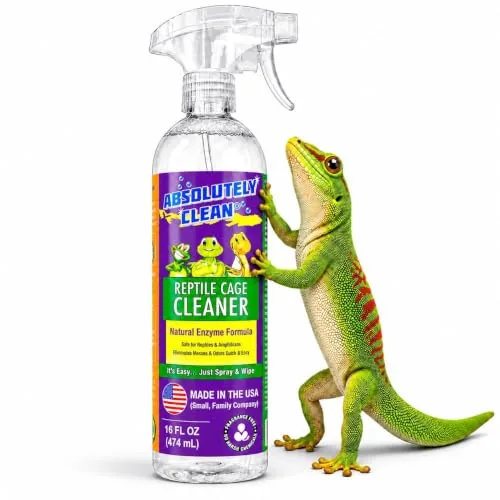
An enzyme-based spray that breaks down reptile and amphibian waste odors without leaving chemical residue behind. Works on glass, wood, plastic, vinyl, and metal surfaces, making it useful across multiple enclosure types. A straightforward option for keepers who want to avoid harsh disinfectants near their animals.
Key Features
- Enzyme formula cuts through waste in 3-5 minutes
- No greasy or filmy residue after rinsing
- Works on glass, wood, plastic, vinyl, and metal
- Vet-approved formula, no harsh chemicals or fumes
- Manufactured in small batches in Colorado, USA
✅ Pros
- Enzyme breakdown handles set-in odors better than standard soap
- Safe for use around reptiles, amphibians, and small mammals once rinsed
- Multi-surface compatibility reduces need for separate cleaners
- No noxious fumes to worry about in enclosed spaces
- Simple spray-wait-wipe process with no special tools
❌ Cons
- Requires full rinse cycle until sudsing stops, adding a few extra minutes to cleaning
- Pets must be removed from the habitat during application
Why We Chose It
This cleaner stands out for keepers who need something safe enough for direct animal contact but strong enough to break down protein-based waste. The enzyme approach targets odor at the source rather than masking it, and the multi-surface claim holds up across glass tanks, wood furniture, and plastic hides.
Perfect For
Reptile and amphibian owners who need a fast, low-toxicity way to deep-clean enclosures between full substrate changes.
What to Set Up First
How to choose the tarantula setup
A tarantula setup needs to match the species you're keeping, since arboreal and terrestrial tarantulas require different enclosure shapes, substrate depths, and humidity levels. Get the enclosure size, substrate, and hide right before you bring the spider home, because rearranging a setup after the fact stresses the animal. This guide covers the five decisions that determine whether your tarantula thrives or just survives.
-
1
Identify Your Species Type
Terrestrial species like Grammostola pulchra need floor space and shallow substrate, while arboreal species like Avicularia avicularia need vertical height and cork bark to climb. Fossorial burrowers such as Cyriocosmus elegans need at least 4-6 inches of packed substrate for tunneling. Confirm the species category before buying any enclosure, since the wrong shape wastes money and stresses the spider.
-
2
Pick The Right Enclosure
Terrestrial adults do well in enclosures with a floor space roughly 2-3 times their leg span, no taller than the spider's leg span to prevent fatal falls. Arboreal species need height instead, at least 1.5 times their leg span vertically, with cross-ventilation on multiple sides. Avoid tall enclosures for ground-dwelling species regardless of tank size on hand, since a fall from height can rupture the abdomen.
-
3
Choose Substrate And Depth
Coco fiber (coir) or a coco fiber-topsoil mix holds burrows and retains humidity better than sand or gravel. Terrestrial species need 3-4 inches of substrate minimum, burrowers need 5-6 inches, and arboreal species only need 1-2 inches since they don't dig. Pack the substrate down firmly for burrowing species, since loose substrate collapses tunnels.
-
4
Set Humidity And Temperature
Most tarantulas do fine at 70-80°F without a heat lamp, since supplemental heating often dries out the enclosure and stresses the spider. Humidity needs vary by species: arid species like Grammostola rosea need 60-65% humidity while rainforest species like Poecilotheria metallica need 75-80%. Use a digital hygrometer rather than the analog dial types, since analog readings drift by 10-15% over a few months.
-
5
Add Hides And Water
Every tarantula needs one snug hide, a half-log or cork bark piece sized so the spider can wedge in with legs tucked, since exposed spiders stop eating and pace the enclosure walls. Provide a shallow water dish for adults, but skip it for spiderlings under 2 inches, since they get sufficient moisture from prey and can drown in standing water. Mist arboreal enclosures directly on the webbing rather than the substrate to raise humidity without waterlogging the coco fiber.
What It Costs to Run After the Build
After setup, expect to keep buying crickets (roughly $27 per 500, which lasts a juvenile tarantula one to two months) and enzyme cleaner ($16.99 per bottle, lasting several months with spot cleaning). Budget $80 to $150 a year for food and cleaning combined, depending on the size and species of your spider. If your species needs supplemental UVB, factor in bulb replacement every 6 to 12 months. The bulb keeps producing visible light long after the UVB output has dropped, so you’re on a replacement schedule, not a wait-until-it-looks-dim schedule.
How We Tested
We assembled a complete enclosure for a juvenile-to-adult terrestrial tarantula using each product, then tracked actual spend against typical starter-kit pricing to see where the money goes. Setups ran for three weeks with substrate depth, humidity retention, and hide usage logged daily.
- Total cost versus comparable all-in-one kits
- Substrate moisture retention over 14 days
- Enclosure ventilation and lid security under stress
- Hide accessibility for molting and burrowing behavior
- Gauge accuracy checked against a calibrated reference meter
Frequently Asked Questions
Glass tanks run $30-$80 for a 10-20 gallon size but hold humidity poorly and cost more to ship due to weight, while PVC enclosures cost $60-$150 upfront but retain heat and moisture far better, which cuts down on misting frequency and substrate replacement. For arboreal species that need stable humidity, PVC saves money over time despite the higher initial price. For terrestrial dry-climate species like Grammostola, glass is usually the cheaper and perfectly adequate option.
A bioactive setup with springtails, isopods, and live plants adds $20-$40 upfront and requires a deeper substrate layer, versus $10-$15 for plain coco fiber. The payoff is reduced cleaning labor since the cleanup crew handles waste and mold, which matters most for humidity-dependent species prone to bacterial issues. For a single dry-tolerant terrestrial species, the extra cost isn't justified since basic substrate with monthly spot-cleaning works fine.
Terrestrial tarantulas generally need floor space roughly 3 times their leg span, while arboreal species need vertical height instead since they rarely use floor area. Buying an enclosure too large for a fast, defensive species like a Poecilotheria makes feeding and maintenance riskier because the spider has more room to bolt toward your hands. Sizing should be based on species behavior first and adult size second, not just picking the biggest tank you can afford.
Buyers often price out the enclosure and substrate but forget the heat mat, thermostat, and hygrometer, which together add $25-$50 and are non-negotiable for species outside room-temperature tolerance. Skipping a thermostat to save money is the biggest error since an uncontrolled heat mat can overheat and kill the spider within hours. The recurring costs of live prey, replacement substrate, and water conditioner also get left out of first-year budget estimates.
A standard 10-gallon tank works for most terrestrial dwarf and medium species as adults, but slings need much smaller deli-cup style enclosures to avoid overhunting and drowning risk in oversized water dishes. Arboreal species need enclosures taller than they are wide, so a horizontal 10-gallon tank is the wrong shape regardless of volume. Matching enclosure shape to species type matters more than matching gallon count.
The enclosure itself can last a decade or more with no replacement needed, but heat mats typically degrade after 1-2 years and hygrometers/thermometers drift out of accuracy after about a year and should be checked against a reference unit. Substrate needs full replacement every 6-12 months depending on humidity levels and mold growth. Water dishes and hides rarely need replacing unless cracked, so ongoing costs are mostly consumables rather than hardware.
Buy the enclosure, heat mat, and thermostat new and don’t compromise on any of them. Everything else on this list can be substituted with cheaper equivalents without putting the animal at risk.
Affiliate Disclosure
This post contains affiliate links. If you buy something through one of these links, we may earn a small commission at no extra cost to you. We only recommend products and services we trust. Thank you for supporting this site!