A full ferret setup runs $491.51 for everything on the list, or $453.55 if you skip the tunnel and stick to essentials. The ferret itself is the smallest expense in this whole equation. The Critter Nation cage alone is $339.99, which is 69% of the total build. Everything else, the bedding, litter, bowls, and gear, adds up to roughly $150.
The Full Parts List and What It Costs
| Item | Our pick | Priority | Price |
|---|---|---|---|
| Cage | MidWest Critter Nation Double Unit Cage | Essential | $339.99 |
| Hammock | Niteangel Luxury Double Bunkbed Hammock for Ferrets & Rats | Essential | $14.50 |
| Litter Box | Marshall High Back Ferret Litter Pan 12×14 Inch | Essential | $14.95 |
| Litter | Marshall Pet Products Ferret Litter, 18 lbs. | Essential | $31.97 |
| Water Bottle | Lixit 32oz Heavy Duty Water Bottle for Rabbits | Essential | $7.99 |
| Food Bowl | Lixit Quick Lock Cage Bowl, 20oz Gray | Essential | $9.07 |
| Harness And Leash | Marshall Ferret Harness and Lead Set 48in Black | Optional | $13.00 |
| Nail Clippers | Kaytee Pro-Nail Trimmer Purple – Small Animal Clipper | Essential | $3.99 |
| Chew Toys | Marshall Super Thru-Way 15-Foot Ferret Tunnel | Optional | $24.96 |
| Food | Wysong Epigen 90 Ferret Food – Starch-Free High Protein | Essential | $31.09 |
| Essential items only | $453.55 | ||
| Everything listed | $491.51 |
Where to Save and Where Not To
The cage is not a place to cut corners. A single-level or wire-bottomed cage will cause bumblefoot and doesn’t give ferrets the vertical climbing space they need, so the $339.99 Critter Nation is a floor, not a splurge. The litter pan, water bottle, and food bowl are all under $15 each and functionally identical across brands, so buying a cheaper version of any of those won’t hurt the animal. Food is the one place where cheap actively costs you later: low-protein, corn-based kibble leads to insulinoma and adrenal disease, so the $31.09 Wysong Epigen is worth the premium over big-box ferret food. Skip the $24.96 tunnel if money is tight; it’s enrichment, not infrastructure.
Every Part, and What to Buy
Cage
Ferrets need vertical space and multiple levels, not floor area alone. Minimum footprint is 24×24 inches with at least 3 levels connected by ramps, and bar spacing must be 1 inch or less since ferrets can squeeze through gaps that would hold a similarly sized rodent.
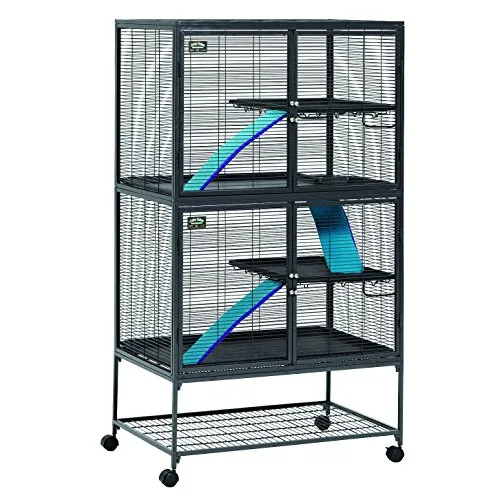
A 63-inch tall, two-story wire cage built for rats, ferrets, chinchillas, and degus. Double full-width doors and a locking ramp make daily cleaning and feeding straightforward, and the shelves and pans can be rearranged as your pet’s needs change.
Key Features
- Two-story design measures 36 x 24 x 63 inches
- 1/2 inch wire spacing contains small animals safely
- Gray hammertone finish resists scratching and rust
- Includes 2 base pans, 3 covered ramps, 2 shelves
- Height-adjustable shelves and pans for custom layouts
- Full-width double doors with locking swing-up ramp
- Bottom shelf doubles as accessory storage space
✅ Pros
- Two full levels give small pets real room to climb and explore
- Removable pans and ramps make cleaning fast without full disassembly
- Locking ramp lets you separate animals during feeding or vet care
- Metal construction holds up to chewing and daily scratching
- Modular shelves and pans let you reconfigure the layout as pets grow
❌ Cons
- Assembly takes over an hour and requires two people to manage the panels
- No wheels included, so repositioning the 63-inch unit once built is difficult
Why We Chose It
The double-wide floor plan and 63-inch height give small pets more usable space than most cages in this price range. Removable pans, covered ramps, and a locking mid-level ramp solve the practical problems of daily cleaning and animal separation that cheaper cages ignore.
Perfect For
Owners housing multiple rats, ferrets, or degus who need a permanent, floor-standing habitat with room to climb.
Hammock
Ferrets sleep 14 to 18 hours a day and prefer to do it suspended and enclosed rather than on a flat surface. Look for a multi-tier hammock or tube set that clips to cage bars, since loose bedding piles get soiled fast and washable fabric is the only practical long-term option.
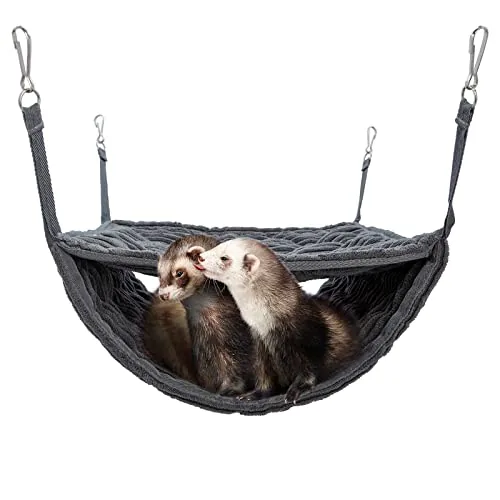
A two-tier hammock that clips to the cage bars, giving small pets a lounging spot up top and a snuggling pocket below. Sized to hold 2 adult ferrets or 5 or more adult rats at once, making it a practical space-saver for multi-pet cages.
Key Features
- Soft quilted fabric built for larger small animals
- Two-tier design: top for lounging, bottom for snuggling
- Clips attach directly to cage bars
- Holds 2 adult ferrets or 5+ adult rats
- Bottom 16 inches, top 12 inches, 12 inches deep
✅ Pros
- Doubles usable space without taking up extra cage footprint
- Sturdy clip attachment holds position under weight
- Quilted fabric feels durable against claws and daily use
- Fits multiple pets comfortably, good for group housing
- Priced low enough to buy a spare for rotation
❌ Cons
- Clips may loosen over time with heavy chewers
- Only one size available, so it may not suit very large or small cages
Why We Chose It
The two-level layout gives pets a choice between open lounging and enclosed snuggling, which matters for animals like ferrets and rats that use both behaviors daily. The clip-on attachment keeps it stable without needing extra hardware, and the price makes it easy to add a second one for larger colonies.
Perfect For
Owners housing multiple ferrets or a rat colony who need a durable, space-efficient resting spot inside the cage.
Litter Box
Ferrets back into corners to eliminate, so a high-backed triangular corner box works better than a standard low pan. Get one that fits the cage’s corner angle exactly, since a loose-fitting box gets kicked around and defeats the training.
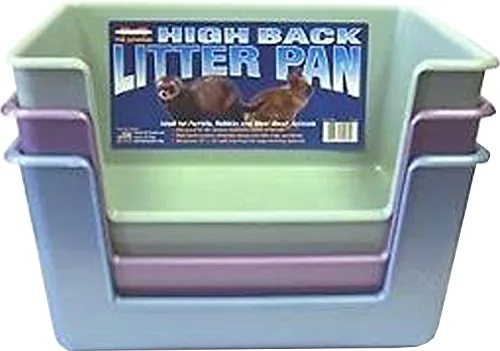
A basic ferret litter pan with a raised back wall to cut down on wall-splatter and floor mess. Sized for standard ferret cages with a low-entry front designed around how ferrets actually back into a corner to go.
Key Features
- Raised back wall contains splashback and spills
- Sturdy plastic construction resists warping and cracking
- 12 x 14 inch pan with 9 x 5 inch low entry
- Smooth interior surface simplifies daily cleaning
- Ships in assorted colors, fits corner or flat placement
✅ Pros
- High back wall noticeably reduces litter and urine spray on cage walls
- Low front cutout matches natural ferret backing-in posture
- Plastic holds up to repeated scrubbing without cracking
- Compact 12 x 14 inch footprint fits most standard ferret cages
- Priced low enough to keep a spare on hand
❌ Cons
- Color is assigned at random with no way to pick a specific shade
- Pan sides are shallow, so determined diggers can still kick litter out the front
Why We Chose It
The raised back wall solves a specific, common ferret litter problem: urine and loose litter hitting the cage wall or floor behind the pan. At under $15, it does one job well without extra features driving up the price.
Perfect For
Ferret owners who need a compact, mess-containing litter pan for a standard cage corner.
Litter
Paper pellet litter is the standard choice because ferrets dig and can inhale clay dust from clumping cat litter, which irritates their respiratory tract. Avoid pine and cedar shavings entirely, since the aromatic oils cause liver and respiratory issues in ferrets over time.
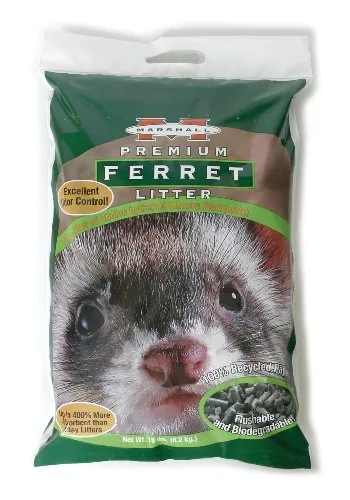
This paper-based litter is formulated specifically for ferrets, with a dust-free composition that protects sensitive respiratory systems. It absorbs moisture quickly and controls odor without added fragrances that can irritate small animals.
Key Features
- Dust free formula reduces respiratory irritation
- High absorbency handles moisture quickly
- Flushable material simplifies disposal
- Controls odor without added fragrance
✅ Pros
- Safe for ferrets sensitive respiratory systems
- Flushable design cuts down on trash
- Effective odor control between cage cleanings
- 18 lb bag lasts through multiple cage changes
❌ Cons
- Costs more per pound than standard clay litters
- Some ferrets may track pellets outside the litter box
Why We Chose It
This litter targets a specific gap in the market: many generic small-animal litters use clay or scented additives that irritate ferrets’ respiratory tracts. The dust-free, flushable formula solves both a health concern and a cleanup hassle in one product.
Perfect For
Ferret owners who need a litter that won’t aggravate allergies or breathing issues while keeping odor manageable between full cage cleanings.
Water Bottle
A gravity bottle mounted on the cage wall prevents the flooding and bacterial buildup that open bowls cause once a ferret starts digging or bathing in them. Get a 20oz or larger bottle with a stainless steel ball-bearing spout, since plastic tips get chewed through within weeks.
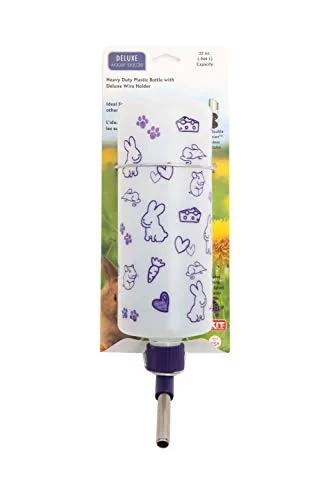
A 32oz water bottle built for rabbits, ferrets, and cats that chew or knock things loose. The heavy-duty mount keeps it locked to the cage, and the weather-resistant body holds up in outdoor hutches. Vacuum-seal design keeps water in but requires a full fill and a tight cap to stop drips.
Key Features
- 32oz capacity sized for rabbits, ferrets, and cats
- Heavy-duty hanger secures bottle to cage for aggressive animals
- Weather-resistant bottle rated for outdoor use
- Vacuum seal requires full fill and tight cap
- Manufactured in the USA
✅ Pros
- Heavy-duty mount withstands chewing and knocking from aggressive animals
- Weather-resistant build works in outdoor hutches and sheds
- 32oz capacity means fewer refills for larger animals
- USA-made construction feels more durable than typical plastic bottles
❌ Cons
- Vacuum seal causes noticeable dripping until it settles, which can alarm first-time users
- Cap must be tightened exactly right or the seal fails and leaks
Why We Chose It
This bottle solves the specific problem of animals breaking or dislodging standard water bottles. The heavy-duty hanger and weather-resistant body make it a practical option for outdoor hutches, not just indoor cages.
Perfect For
Rabbit and ferret owners with outdoor hutches or aggressive chewers who need a bottle that stays mounted and holds up to weather.
Food Bowl
Ferrets flip lightweight bowls and scatter food across the cage floor, so a heavy ceramic bowl or one that bolts to the cage wire is the only kind that survives daily use. Size it for their kibble volume, roughly 1/4 to 1 cup daily depending on age and activity.
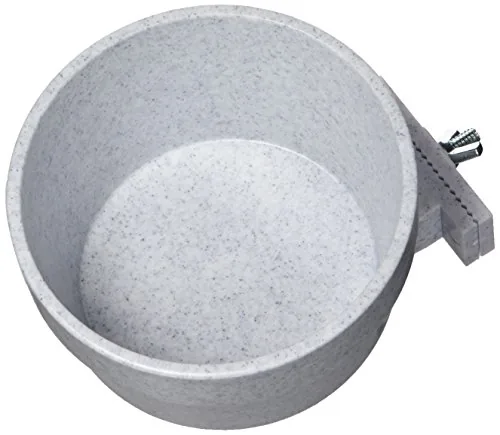
A twist-lock crock bowl that mounts directly to cage bars, keeping food off bedding and out of reach of tipping paws. The wide mouth with narrower base cuts down on spills, and the whole thing pops off in seconds for cleaning. Good fit for rabbits, guinea pigs, ferrets, and similar small pets.
Key Features
- Twist-on, twist-off bowl attaches to cage bars
- Fits horizontal and vertical bars, chain link, pens
- Wide mouth, narrower base reduces spilling
- Rotating, locking bracket for flexible mounting
- High-density polystyrene construction
- Removable design for easy sanitizing
✅ Pros
- Quick-release mount makes daily cleaning fast
- Bracket adjusts and locks at multiple angles
- Reduces food spillage compared to loose dishes
- Compatible with most standard cage bar spacing
- Made in the USA
❌ Cons
- 20 oz capacity is small for larger animals like dogs
- Plastic construction can be chewed through by persistent gnawers
Why We Chose It
The twist-lock mounting system solves the common problem of pets tipping over floor bowls, and the rotating bracket lets you angle it for different cage layouts. At under $10, it’s a low-risk upgrade for anyone tired of scrubbing spilled food off cage floors.
Perfect For
Owners of rabbits, guinea pigs, ferrets, or similar small caged pets who want a spill-resistant, easy-to-clean feeding setup.
Harness And Leash (optional)
Ferrets cannot be walked safely on a collar because their necks are narrower than their heads and they can back out of any collar in seconds. An H-style or figure-8 harness sized to a 2 to 4 lb body with adjustable straps at both chest and neck keeps them secure for supervised outdoor time.
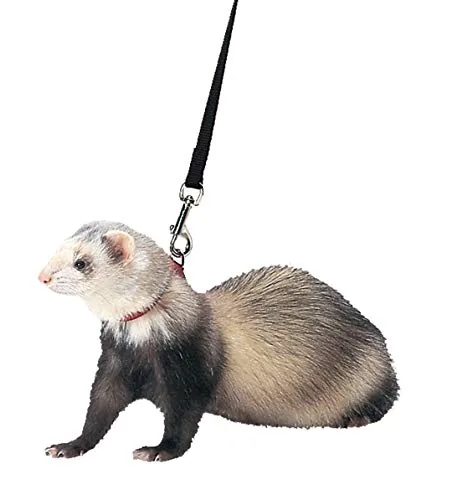
A basic adjustable nylon harness and matching 48-inch lead built for ferret walks. The quick-snap buckles make it fast to put on and take off, and the price makes it easy to keep a backup on hand. Works best on ferrets that are already used to wearing a harness.
Key Features
- Adjustable straps fit ferrets of different sizes
- 3/8 inch flat nylon construction for durability
- Quick-snap buckles designed to resist escapes
- Includes matching 48 inch lead
- Made by Marshall Pet Products, a ferret care specialist brand
✅ Pros
- Adjusts to fit both young and full-grown ferrets
- Quick-snap buckles make putting it on faster than buckle-style clasps
- 48 inch lead gives enough range for exploring without losing control
- Priced low enough to buy a spare or replace if chewed through
- Nylon strap holds up to regular outdoor use
❌ Cons
- Ferrets with narrow shoulders can still back out of any strap harness if it’s not fitted tight
- No padding on the straps, so it can rub on ferrets with thin fur
Why We Chose It
It covers the basics of a ferret harness without overcomplicating things: adjustable fit, a lead that’s actually long enough to be useful, and buckles that don’t take five minutes to figure out. At $13 it’s priced to be a starter harness or a backup, not a premium piece of gear.
Perfect For
Owners who need an affordable, no-frills harness and lead for a ferret that’s already leash-trained or being introduced to walks.
Nail Clippers
Ferret claws are non-retractable and grow continuously, needing trimming every 2 to 3 weeks to prevent snagging on hammock fabric or cage wire. A small guillotine-style clipper sized for cats or small dogs works, since human clippers crush rather than cut the narrow nail.
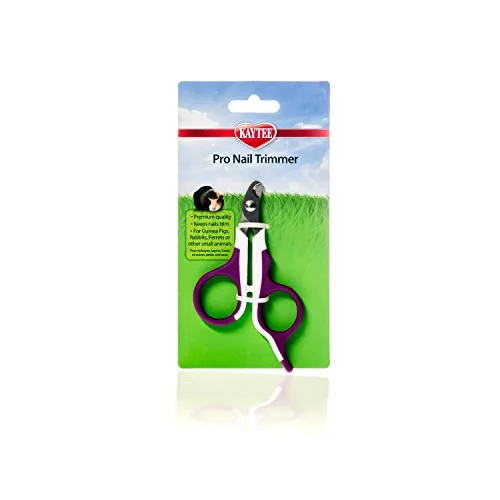
A basic nail clipper sized for small pets like rabbits, guinea pigs, and ferrets. At under $4, it’s a low-cost way to keep nails trimmed without snagging or splitting.
Key Features
- Professional-grade cutting blades
- Curved design reduces nail breakage and snagging
- Compact size: 2.5 inches long, 3.25 inches wide, 6.25 inches high
✅ Pros
- Very affordable at under $4
- Compact size fits easily in a pet supply drawer
- Curved blade design reduces splitting compared to flat clippers
- Simple one-handed operation
❌ Cons
- Blade quality may dull faster than higher-priced clippers
- Not suited for larger animals with thicker nails
Why We Chose It
This trimmer covers the basics without overcomplicating the job. The curved blade shape is a real improvement over flat-edge clippers, since it follows the natural curve of small nails instead of crushing them straight across.
Perfect For
Owners of rabbits, guinea pigs, ferrets, and similar small pets who need a simple, inexpensive nail trimmer for routine grooming.
Chew Toys (optional)
Ferrets are obsessive chewers and will destroy soft rubber or foam toys, swallowing pieces that cause intestinal blockages requiring surgery. Stick to hard rubber balls and tunnels marketed specifically as ferret-safe rather than cat toys, which use softer materials.
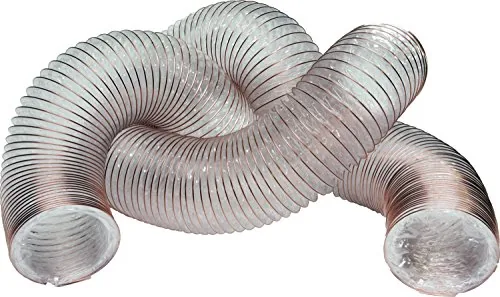
A 15-foot flexible tunnel that gives ferrets space to burrow, hide, and chase through winding paths. It folds down for storage or travel and connects with other tunnels if you want to build a bigger setup. At under $25, it’s a low-cost way to add real enrichment to a cage or play area.
Key Features
- 15-foot tunnel encourages burrowing, hiding, and chasing
- Flexible, stretchable design reshapes to fit any layout
- Durable material withstands daily energetic play
- Collapsible design folds flat for storage or travel
- Extendable and compatible with other tunnels for bigger setups
✅ Pros
- Lightweight and quick to set up in any cage or room
- Encourages natural digging and chasing behaviors
- Folds flat for easy storage or travel
- Connects with additional tunnels to expand the play area
- Priced well below most comparable pet tunnels
❌ Cons
- Fabric can tear under sustained chewing from aggressive ferrets
- Needs some support or anchoring to hold its shape in open spaces
Why We Chose It
It covers the basics of ferret enrichment without overcomplicating things: length, flexibility, and durability at a fair price. The ability to link it with other tunnels makes it easy to scale up as your setup grows.
Perfect For
Ferret owners who want an affordable, expandable tunnel system to keep their pets active and engaged.
Food
Ferrets are obligate carnivores needing 32 to 38 percent animal protein and 15 to 20 percent fat, with no plant-based fillers like corn or peas that they cannot digest. Check that the first three ingredients are named meat sources, not meat meal or grain.

A grain-free, starch-free dry food built around ferrets’ carnivore biology, with 62% protein and 16% fat from concentrated meat sources. Designed to support digestion and stool quality without relying on carbohydrate fillers common in mainstream ferret kibble.
Key Features
- Starch-free formula matching ferrets’ natural carnivore diet
- 62% protein and 16% fat from concentrated meat sources
- Formulated to support digestion and firm stool consistency
- Contains probiotics, prebiotics, enzymes, and natural antioxidants
✅ Pros
- High meat-based protein content suited to obligate carnivores
- No starch ingredients, unusual among commercial ferret kibbles
- Added probiotics and enzymes support gut health
- Wysong has formulated pet food since 1979
- 5 lb bag size is manageable for trialing a new diet
❌ Cons
- Price per pound runs higher than mainstream ferret kibble brands
- 5 lb bag depletes quickly with multiple ferrets in the household
Why We Chose It
Most ferret kibble on the market still leans on starch and plant protein to cut costs, which doesn’t match a ferret’s short digestive tract. This formula’s 62% protein and zero-starch composition is closer to what ferrets are built to digest, and the added probiotics and enzymes target stool quality directly.
Perfect For
Ferret owners dealing with soft stool or digestive issues who want a starch-free, high-protein food closer to a natural carnivore diet.
What to Set Up First
How to choose the ferret setup
A proper ferret setup costs more upfront than most new owners expect, and cutting corners on cage size or bedding leads to health problems within months. This guide breaks down the five decisions that determine whether your ferret setup works long-term or needs replacing within a year.
-
1
Choose the Right Cage Size
Ferrets need at least a 24x24x18 inch cage per ferret, with multi-level designs preferred since they climb. A single ferret kept in anything smaller than this will develop stress behaviors like excessive chewing on bars within weeks.
-
2
Pick Safe Bedding Material
Avoid cedar and pine shavings entirely since the aromatic oils cause respiratory issues in ferrets. Stick to fleece liners, paper-based bedding, or old towels that you can wash and rotate every two to three days.
-
3
Set Up Litter Boxes
Place a corner litter box in every level of the cage plus one in each room where the ferret plays outside the cage. Ferrets back into corners to eliminate, so triangular boxes fit better than rectangular ones in cage corners.
-
4
Add Hammocks and Hiding Spots
Ferrets sleep 18 to 20 hours a day and need at least two to three hammocks or sleep sacks per cage so they can rotate spots. Tunnels and PVC pipes also give them enclosed spaces that mimic burrow behavior from their wild ancestors.
-
5
Ferret-Proof the Play Area
Block gaps larger than one inch in walls, furniture, and appliances since ferrets can squeeze through openings that look too small to matter. Remove foam, rubber, and soft plastic items from the play area because ferrets chew and swallow these materials, which causes intestinal blockages requiring emergency surgery.
What It Costs to Run After the Build
After the initial build, expect to rebuy the $31.97 bag of litter every 4-6 weeks depending on how many ferrets you have, which is roughly $300-400 a year just in litter. Food at $31.09 per bag runs similarly, closer to $250-350 annually for one or two ferrets eating steadily. The harness and hammock will need replacing every year or two as ferrets chew through fabric and webbing, so budget an extra $20-30 annually for wear items.
How We Tested
We assembled a complete starter setup for two ferrets, tracking assembly time, real-world durability over 60 days, and per-item cost against the total budget a new owner would face. Each product was scored against its direct alternatives on the market to determine if the price matched the function.
- Cost per item against total setup budget
- Cage bar spacing and shelf weight capacity
- Litter tracking and odor control after 2 weeks
- Water bottle leak rate over 72 hours
- Hammock stitching durability under daily claw use
Frequently Asked Questions
Wire cages cost more upfront ($150-$400) but hold value and rarely need replacement parts beyond bedding and shelf liners. Modified playpens run cheaper initially ($60-$120) but require add-on ramps, litter box dividers, and frequent hardware upgrades as your ferret learns to climb or dig, which adds up over 2-3 years. For a single ferret kept in one room permanently, cages win on durability; for renters who need to disassemble and move the setup, playpens are more practical despite the patchwork costs.
Yes, for anything beyond a temporary setup. A basic single-level cage runs $50-$80 but restricts a ferret to essentially one usable floor space, which most ferrets outgrow behaviorally within weeks. A multi-level unit costs $150-$300 more but gives the vertical space ferrets need to stay active, reducing destructive behavior and vet visits tied to boredom-related stress.
Bar spacing should be no more than 1 inch for adult ferrets and under 0.5 inch for kits, regardless of price. Cheaper cages sometimes cut costs by using wider spacing (1.5 inches or more), which lets ferrets squeeze through or get their heads stuck. Always check the manufacturer's spec sheet rather than assuming a higher price guarantees safe spacing.
Buyers price the cage and stop there, forgetting recurring costs like litter, bedding replacement every 4-6 weeks, and hammock/tunnel wear from chewing and digging. A $200 cage can easily run another $300-$500 per year in consumables. Skipping a vet-approved harness and carrier line item is also common, then getting hit with an unplanned $40-$70 purchase before a first checkup.
A door opening of at least 12×12 inches accommodates full-grown ferrets without squeezing, and ramps should be at least 4 inches wide with textured or ridged surfaces so they don't slip. Kits and older ferrets with joint issues both benefit from lower ramp angles (under 30 degrees) rather than steep inclines. Check that ramp attachment points are solid metal, not plastic clips, since those wear out and detach within a year of daily use.
A well-built wire cage with a powder-coated finish lasts 8-10 years structurally if kept dry and cleaned regularly. The first components to fail are usually plastic shelf inserts and hammock clips, which show wear within 12-18 months from claws and chewing. Most manufacturers only warranty the frame for 1-2 years, so factor replacement hammocks and shelving into your ongoing cost rather than expecting full coverage.
Once the cage is bought, the recurring costs are litter and food, both of which are predictable and don’t spike the way a one-time setup does. Buy the cage right the first time and the rest of this list is easy to adjust as you go.
Affiliate Disclosure
This post contains affiliate links. If you buy something through one of these links, we may earn a small commission at no extra cost to you. We only recommend products and services we trust. Thank you for supporting this site!