A hognose snake setup runs $276.07 for the essentials, or $345.04 if you add every item on this list. The snake itself typically costs less than any single piece of equipment on this page. The enclosure, heating, and UVB lighting make up most of that $276.07, not the animal. Budget for the habitat first and treat the snake as the smallest line item in the whole build.
The Full Parts List and What It Costs
| Item | Our pick | Priority | Price |
|---|---|---|---|
| Enclosure | New Age Pet ECOFLEX Mojave 36″ Reptile Enclosure | Essential | $149.99 |
| Substrate | Zilla Aspen Chip Reptile Bedding, 24 Quart | Essential | $17.99 |
| Heat Mat And Thermostat | REPTI ZOO 8×12″ Carbon Fiber Reptile Heat Pad | Essential | $29.99 |
| Thermometer And Hygrometer | Zoo Med TH-31 Digital Thermometer Humidity Gauge | Essential | $12.64 |
| Hide | JIHAQUA XS Reptile Hide Box, 2-Pack | Essential | $8.99 |
| Water Dish | Zoo Med Repti Rock Water Dish, Large | Essential | $16.99 |
| UVB Light | Zoo Med 14″ T5-HO Terrarium Hood with UVB Lamp | Optional | $59.98 |
| Terrarium Decor | Exo Terra Forest Branch Small – Natural Climbing Décor | Optional | $8.99 |
| Cleaning Spray | Absolutely Clean Reptile Terrarium Enzyme Cleaner & Deodorizer | Essential | $16.99 |
| Diet | The Gourmet Rodent Frozen Fuzzy Mice, Pack of 25 | Essential | $22.49 |
| Essential items only | $276.07 | ||
| Everything listed | $345.04 |
Where to Save and Where Not To
Decor and convenience items are where you can cut costs without consequence: the Exo Terra branch ($8.99), the JIHAQUA hide box 2-pack ($8.99), and the Zoo Med water dish ($16.99) all have generic equivalents that work the same. Do not economise on the REPTI ZOO heat mat and thermostat ($29.99) or the Zoo Med TH-31 thermometer and hygrometer ($12.64). A heat source without a working thermostat and a way to verify temperature is how hognose snakes end up with thermal burns or fail to digest food properly. The Zoo Med UVB hood ($59.98) is the other line item worth paying for outright rather than substituting a cheaper fixture, since inconsistent UVB output affects long-term bone health.
Every Part, and What to Buy
Enclosure
A hognose needs a secure, front-opening terrarium at least 36x18x12 inches for an adult, with a tight-fitting lid since they push against gaps while burrowing. Glass or PVC both work, but ventilation placement matters more than material because these snakes root through substrate constantly.
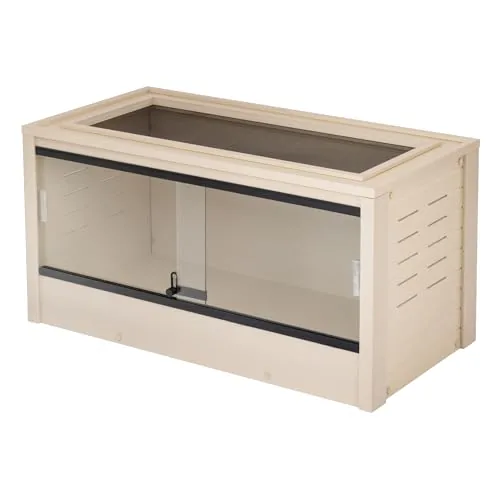
This is a wood-composite reptile enclosure built for keepers who want a solid-sided, low-humidity setup for snakes, lizards, or tortoises. Sliding lockable doors and a mesh top handle daily feeding and lighting needs, and the interior measures 34.56 x 16.42 x 15.78 inches. It stacks or pairs with a matching stand sold separately.
Key Features
- Moisture-resistant composite panels for easy cleanup, not waterproof
- Wide viewing front with locking sliding doors
- Vented sides and mesh top for airflow and lighting
- Interior measures 34.56 x 16.42 x 15.78 inches
- Assembles in 20-30 minutes with included hardware
- 10-year manufacturer warranty on materials
✅ Pros
- Locking sliding doors make feeding and cleaning safer with skittish reptiles
- Mesh top accommodates heat lamps and UVB fixtures without extra drilling
- Composite construction resists odor buildup better than untreated wood
- 10-year warranty is well above typical enclosure coverage
- Compatible stand and stacker options let you scale a multi-enclosure setup
❌ Cons
- Not waterproof, so it’s a poor fit for high-humidity species like some tree frogs or certain tropical geckos
- Interior height of 15.78 inches limits keepers wanting taller arboreal setups
Why We Chose It
The locking sliding doors and full mesh top solve two common enclosure complaints at once: safe access without escape risk, and enough airflow to run standard lighting and heating equipment. The 10-year warranty also signals the manufacturer expects the composite panels to hold up under real reptile-room conditions, not just display use.
Perfect For
Keepers of snakes, lizards, or tortoises that need low-to-moderate humidity and want a single enclosure that can later expand with a stand or stacker.
Substrate
Hognoses are obligate burrowers and need loose substrate at least 3-4 inches deep to express that behavior. Aspen shavings or a coco fiber/play sand blend both hold burrow shape; avoid anything that compacts hard or stays wet, since that leads to skin infections.
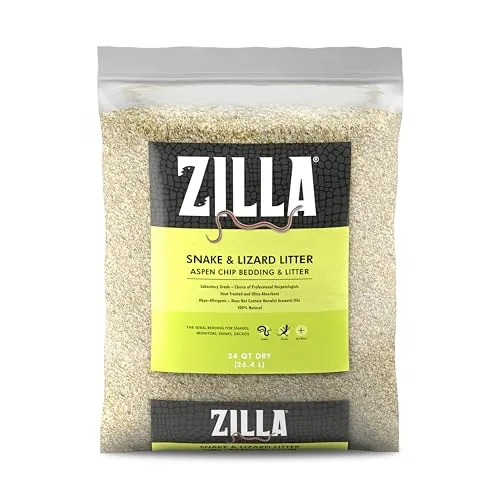
This is heat-treated aspen chip bedding for snakes and other reptiles, built for absorbency and easy spot cleaning. The chip size makes it simple to spot and remove soiled patches without replacing the whole substrate. A solid choice for keepers who want a natural, low-dust option over paper or reptile carpet.
Key Features
- Heat-treated aspen chips absorb moisture, keep habitat dry
- Aspen chips commonly used by professional herpetoculturists
- Hypoallergenic, 100% natural, free of aromatic oils
- Chip size allows easy identification of soiled spots
- Suitable for snakes, monitors, skinks, and geckos
✅ Pros
- Good moisture absorption keeps enclosures drier between cleanings
- No added aromatic oils, safer for sensitive reptiles
- Large chip size makes spot cleaning fast
- Works across multiple reptile species, not just snakes
- Natural look fits most terrarium setups
❌ Cons
- Aspen can mold if enclosure humidity runs high
- Not suitable for burrowing species that need finer substrate
Why We Chose It
Aspen chips are a long-standing choice among reptile keepers because they absorb moisture without holding onto odor the way finer substrates can. The larger chip size makes spot cleaning genuinely faster since soiled areas are easy to spot and scoop, and skipping added oils reduces respiratory risk for reptiles with sensitive systems.
Perfect For
Snake and lizard keepers who want a natural, absorbent bedding that supports quick spot cleaning without full substrate changes.
Heat Mat And Thermostat
Belly heat from a mat wired to a thermostat gives a warm side of 88-92F and lets the cool side sit at 75-78F for proper digestion. The thermostat is non-negotiable, an unregulated mat can exceed 110F and cause thermal burns since hognoses spend so much time in direct substrate contact.
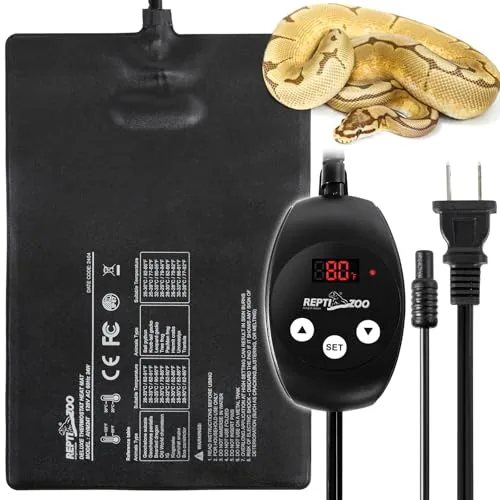
A 24W carbon fiber heat mat with an adjustable thermostat covering 68-122°F, built for terrariums housing geckos, snakes, or turtles. The waterproof PVC surface holds up to daily cleaning and humid enclosures without degrading.
Key Features
- Carbon fiber element heats faster than standard mats
- Thermostat adjusts from 68 to 122 degrees Fahrenheit
- Waterproof PVC surface resists moisture and insulates well
- Runs 24/7 without disturbing reptile sleep patterns
- Also works for seed germination and fermentation projects
✅ Pros
- Wide 20-50°C range covers most reptile species without a second unit
- Waterproof PVC surface handles spills and humid tank conditions
- 8×12 inch size fits standard 10-20 gallon tank footprints
- Carbon fiber heats up noticeably quicker than basic resistance pads
- Doubles for non-reptile uses like fermentation and seed starting
❌ Cons
- No digital temperature readout, so you need a separate thermometer to confirm accuracy
- Adhesive backing may not hold on textured or curved tank surfaces
Why We Chose It
The adjustable thermostat range and carbon fiber heating element set this apart from single-temperature mats that only work for one species. The waterproof PVC construction means it survives the humidity and occasional spills that come with reptile tank maintenance.
Perfect For
Reptile owners who keep multiple species with different heat requirements and want one mat that adjusts instead of buying separate fixed-temperature pads.
Thermometer And Hygrometer
A digital combo probe lets you confirm the actual warm/cool side temps and keep humidity in the 30-50% range hognoses need to avoid respiratory issues. Guessing based on the heat mat’s dial setting alone is unreliable because ambient room temperature shifts the actual surface temp.
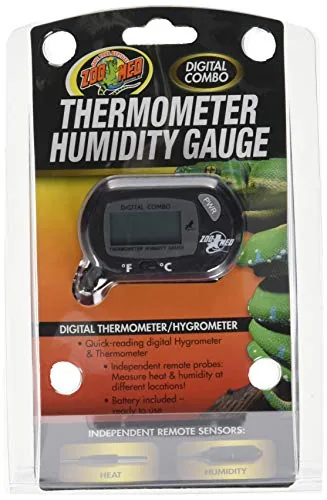
This combo unit tracks both temperature and humidity in a single digital display, which cuts down on clutter in smaller enclosures. The waterproof probe holds up in humid terrariums or paludariums without corroding or shorting out.
Key Features
- Digital display for temperature and humidity readings
- Fast response time for quick checks
- Waterproof probe runs on one LR44 battery
✅ Pros
- Combines two gauges into one unit, saving tank space
- Waterproof probe works in high humidity setups without damage
- Digital display is easier to read than analog dial gauges
- Low price point for a two-in-one reptile gauge
- Battery type (LR44) is common and cheap to replace
❌ Cons
- No min/max memory function to track daily highs and lows
- LR44 battery is not included in the package
Why We Chose It
The dual digital readout solves a common problem in reptile keeping: needing separate temperature and humidity gauges that clutter the enclosure. The waterproof probe rating means it can sit directly in a humid hide or near a water feature without failing.
Perfect For
Reptile and amphibian keepers who need accurate temperature and humidity readings in a single compact gauge for terrariums or vivariums.
Hide
Two hides, one on the warm side and one on the cool side, let the snake thermoregulate without sacrificing security. A tight-fitting hide that touches the snake’s sides on entry reduces stress far more than an oversized cave.
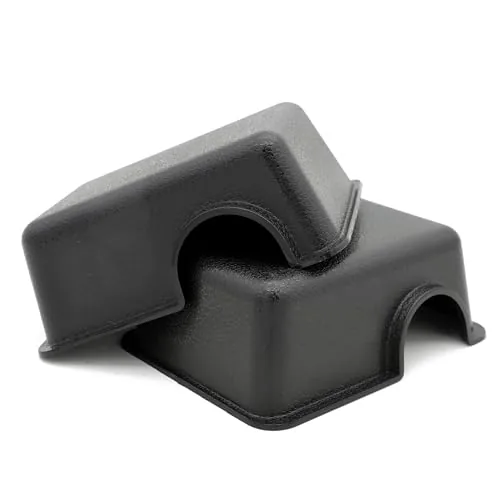
A pair of small plastic hide boxes sized for hatchling snakes, geckos, and other small reptiles. The enclosed design gives skittish animals a dark, tight space to retreat to, which helps reduce stress in a new or open enclosure.
Key Features
- Enclosed hide gives reptiles a sense of security
- Smooth surface resists buildup and wipes clean easily
- Dark, tight space supports natural hiding and breeding behavior
- Small entrance limits access to fit only intended animal size
✅ Pros
- Compact size fits well in small or hatchling enclosures
- Two hides per pack, useful for multi-tank setups
- Non-porous material cleans quickly with soap and water
- Low price point for a functional enclosure accessory
❌ Cons
- Entrance size (1.6″ x 1.1″) is too small for adult reptiles or larger species
- Plastic construction feels lightweight compared to resin or wood hides
Why We Chose It
This hide fills a specific gap: most hides on the market are sized for adult reptiles, leaving hatchlings and small geckos without a properly scaled hiding spot. At under $9 for two, it’s a low-risk way to add security to a juvenile enclosure without redesigning the whole setup.
Perfect For
Owners of hatchling snakes, small geckos, or other small reptiles who need an appropriately scaled hide for a nano or juvenile enclosure.
Water Dish
Hognoses need a bowl large enough for an occasional full-body soak, roughly the width of a coiled adult, but shallow enough that it doesn’t oversaturate substrate. A heavy ceramic dish resists tipping when the snake burrows underneath it.
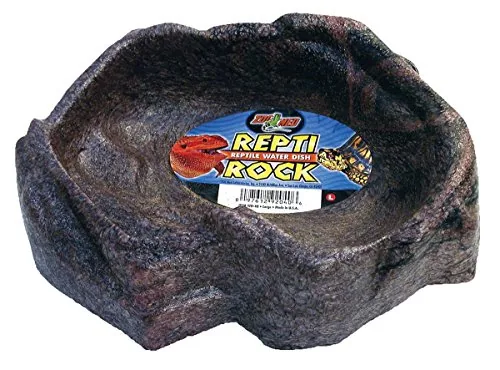
A simple rock-textured dish for feeding or watering reptiles, made from recycled plastic with a low profile that’s easy for animals to access. The smooth interior resists bacteria buildup and cleans up fast with soap and water.
Key Features
- Rock-textured food and water dish for reptile enclosures
- Low profile design for easy animal access
- Smooth non-porous surface resists bacteria growth
- Sold in multiple colors and sizes
- Made from 100% recycled plastic
- 8 inch diameter, 1.75 inch depth
✅ Pros
- Blends into naturalistic enclosure setups better than plain plastic bowls
- Non-porous surface wipes clean without staining or absorbing odors
- Low sides make it accessible for smaller or younger reptiles
- Sturdy enough to hold water without tipping under normal use
- Recycled plastic construction keeps cost low
❌ Cons
- No drain hole, so standing water has to be dumped out manually
- Larger or more active reptiles can still flip it if not weighted down
Why We Chose It
This dish solves the basic problem of feeding or watering a reptile without introducing a bowl that looks out of place or harbors bacteria. The 8 inch diameter and shallow 1.75 inch depth fit most medium enclosures without hogging floor space, and the non-porous surface means it doesn’t need to be replaced after a few months like cheaper textured bowls.
Perfect For
Owners of medium-sized reptiles like bearded dragons, leopard geckos, or corn snakes who want a low-maintenance water or food dish that matches a naturalistic tank setup.
UVB Light (optional)
Hognoses are diurnal and benefit from low-level UVB in the 1-2 UVI range at basking height, even though they can survive without it if fed a D3-supplemented diet. A T5 linear bulb spanning most of the enclosure length gives more even coverage than a compact bulb.
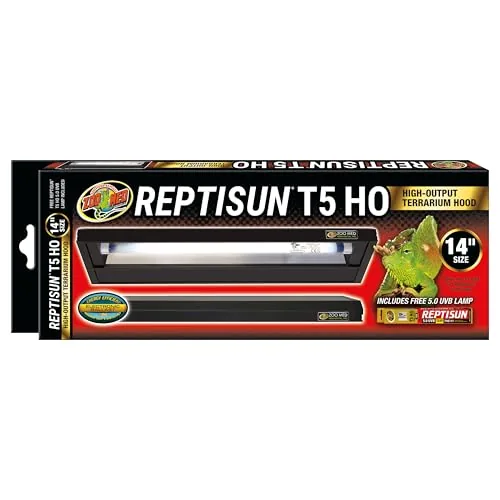
This fixture pairs a low-profile T5 HO hood with a bundled 5.0 UVB lamp, so you’re not buying a separate bulb on top of the fixture cost. The high-output ballast and curved reflector push usable UVB deeper into tall enclosures, which matters for arboreal species that bask well above substrate level.
Key Features
- Includes a ReptiSun T5 HO 5.0 UVB lamp at purchase
- Low profile design reduces space on top of terrarium
- Electronic ballast enables rapid start and efficient operation
- Polished curved reflector improves light coverage and efficiency
- Compatible with T5 HO lamps for full spectrum output
- High output design extends UVB reach in tall enclosures
✅ Pros
- Bundled UVB lamp removes an extra purchase and cost
- Reflector design pushes more usable light into the enclosure
- Low profile fit works on tanks with limited clearance
- Ballast supports rapid start without flicker or delay
- Effective UVB penetration for taller, upright enclosures
❌ Cons
- 14 inch length limits fit to specific tank sizes
- Lamp requires replacement every 6 to 12 months for consistent UVB output
Why We Chose It
The combination of a high-output ballast and curved reflector gives this hood real advantages for reptiles kept in tall enclosures where standard T8 fixtures lose UVB intensity before it reaches basking spots. Including the lamp at this price point saves buyers from a common add-on cost that catches new reptile owners off guard.
Perfect For
Reptile keepers with 14 inch terrariums housing UVB-dependent species that bask at elevated distances from the light source.
Terrarium Decor (optional)
Branches, cork bark, and artificial plants break sightlines and give the snake more surface area to explore and rub against during shedding. None of this is required for survival, but it reduces stress-related hiding behavior in a bare enclosure.
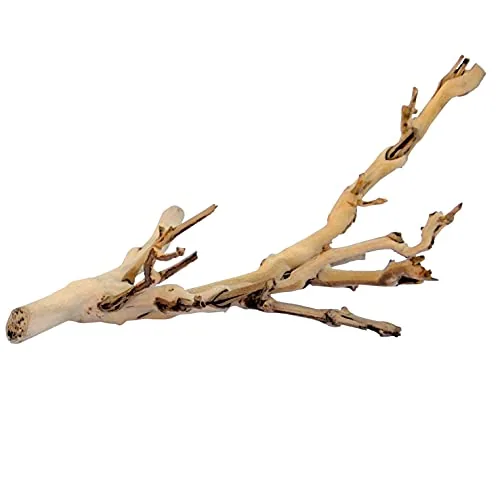
A real wood branch shaped for climbing and basking, sized for smaller reptiles and juveniles. Heat treated to kill pests before it goes in the tank, so setup is quick and low-risk. Works in both humid and dry terrarium setups.
Key Features
- Real wood shaped to mimic natural tree branches
- Sturdy 3D structure for climbing and basking
- Heat treated to remove pests before use
- Works in rainforest or desert terrarium setups
- Small size suited to juveniles and smaller reptiles
✅ Pros
- Heat treatment means no soaking or baking required before use
- Natural wood texture gives better grip than plastic decor
- Small size fits nano and standard 10-20 gallon tanks
- Works across humid and arid terrarium types
- Stacks or combines easily with other Exo Terra pieces
❌ Cons
- Small size limits use with adult or larger reptile species
- Natural wood shape varies, so branch angle isn’t guaranteed on arrival
Why We Chose It
The heat treatment removes a step most real-wood decor requires, so it’s ready for the tank without extra prep. It gives climbing species a functional structure rather than a purely decorative one, which matters for arboreal geckos and young snakes that need to move around.
Perfect For
Owners of small or juvenile climbing reptiles like crested geckos, anoles, or young snakes who need a functional branch in a compact terrarium.
Cleaning Spray
A reptile-safe enzymatic cleaner handles spot cleaning between full substrate changes without leaving residue that irritates skin. Look for one labeled safe for direct contact, since hognoses burrow through treated substrate right after cleaning.
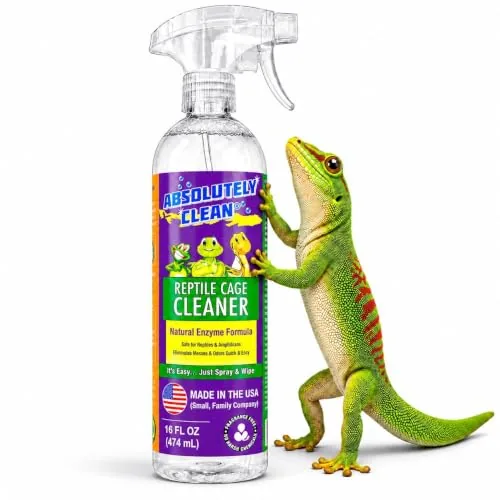
An enzyme-based spray for breaking down waste and odor buildup in reptile and amphibian enclosures. Works on glass, wood, plastic, and metal surfaces without leaving chemical residue behind.
Key Features
- Fast-acting enzyme formula, no greasy or sticky residue
- Natural enzymes break down odors and organic waste on contact
- Safe for cages, aquariums, and terrariums made of multiple materials
- Vet-approved formula with no harsh chemicals or fumes
- Manufactured in Colorado by a family-owned company
✅ Pros
- Effective on tough odors without harsh chemical smells
- Works across multiple surface types and enclosure sizes
- Vet-approved formula considered safe around live animals
- USA-made by a small manufacturer
❌ Cons
- Full process requires a 3-5 minute soak, scrubbing, and a hot water rinse, more involved than the spray-and-wipe label suggests
- Not a substitute for regular substrate changes on heavily soiled setups
Why We Chose It
This cleaner earns its spot for actually breaking down waste at the enzyme level instead of masking odor with fragrance. The vet-approved, low-chemical formula makes it a safer pick for enclosures housing live reptiles and amphibians, where residue left behind by standard cleaners can cause skin or respiratory irritation.
Perfect For
Reptile and amphibian keepers who need a deep-cleaning solution that won’t leave chemical residue in an enclosure their pet will re-enter.
Diet
Captive-bred hognoses generally take appropriately sized frozen-thawed mice, roughly the width of the snake’s midbody, fed every 5-7 days as juveniles and every 7-10 days as adults. Some hatchlings need mice scented with quail egg or toad to trigger a feeding response since wild hognoses target amphibians.
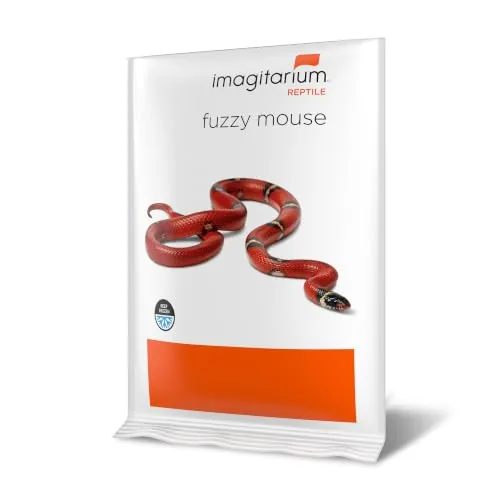
Frozen fuzzy mice sold in a bulk pack of 25, sized for snakes and other reptiles that have graduated past pinkies. Ships frozen and requires thawing before feeding.
Key Features
- Frozen fuzzy mice, appropriate for juvenile to small adult snakes
- Sold in bulk quantity of 25 per order
- Requires freezer storage until ready to feed
✅ Pros
- Bulk quantity reduces per-unit cost versus single-mouse purchases
- Fuzzy size fits snakes transitioning off pinkie mice
- Frozen format allows long-term freezer storage between feedings
- Consistent sizing simplifies feeding schedules for multiple reptiles
❌ Cons
- Requires dedicated freezer space for 25 mice at once
- No size grading details provided, so exact weight per mouse is unclear
Why We Chose It
This is a straightforward bulk feeder option for reptile keepers who go through fuzzy mice regularly. Buying 25 at once cuts down on repeat orders and keeps a consistent food source on hand.
Perfect For
Snake owners feeding one or more reptiles that have moved past pinkie mice and need a steady fuzzy mouse supply.
What to Set Up First
How to choose the hognose snake setup
A hognose snake setup needs to account for their burrowing habits and dry-to-moderate humidity requirements, which differ from more commonly kept species like ball pythons. Getting the enclosure size, substrate, and heating right from the start prevents stress-related feeding refusal, a common issue with this species. Here's what to buy and in what order.
-
1
Choose Enclosure Size
A single adult western hognose needs at least a 20-gallon long tank (30x12x12 inches), though a 36x18x12 enclosure gives more room for burrowing behavior. Glass terrariums with locking screen tops work well since hognoses are strong diggers and moderate escape artists. Avoid tall enclosures with minimal floor space since these snakes spend most of their time on the ground.
-
2
Pick Deep Substrate
Hognoses need substrate deep enough to burrow, so aim for 4-6 inches minimum of a mix like Excavator Clay or a coco fiber and play sand blend. Avoid pure sand alone, which can cause impaction if ingested during feeding, and skip cedar or pine shavings entirely due to toxic aromatic oils. Reptile bark or cypress mulch also works if you mix in enough coco fiber to hold burrow shapes.
-
3
Set Heating and Lighting
Install an under-tank heater on one side controlled by a thermostat, targeting a warm side of 85-88°F and a cool side of 72-75°F, with a basking spot reaching 90°F if using an overhead heat lamp. Hognoses are diurnal and benefit from a low-output UVB bulb (2.0 to 5.0 strength) run on a 12-hour cycle, though it's not strictly required like it is for diurnal lizards. Always pair heat sources with a digital thermostat, since these snakes are sensitive to overheating and can suffer burns from unregulated heat mats.
-
4
Add Hides and Humidity
Provide at least two hides, one on the warm side and one on the cool side, plus a humid hide filled with damp sphagnum moss to support shedding. Keep ambient humidity around 30-50%, since hognoses come from arid and semi-arid habitats and can develop respiratory issues in overly wet enclosures. A shallow water dish large enough for soaking rounds out the humidity setup without saturating the substrate.
-
5
Buy Feeding Supplies
Stock frozen-thawed mice sized to the snake's girth, along with feeding tongs at least 10 inches long to keep your hands away from strike range during feeding. Keep a small enclosure or feeding tub separate from the main tank if your hognose shows signs of substrate ingestion during meals. Because hognoses can be picky eaters, some keepers also keep scenting supplies like frog or toad scent on hand to encourage feeding response in stubborn individuals.
What It Costs to Run After the Build
After the initial build, expect to keep buying substrate (Zilla Aspen Chips, $17.99 per 24 quarts), frozen prey (Gourmet Rodent fuzzy mice, $22.49 per pack of 25), and enzyme cleaner ($16.99) several times a year. The UVB bulb in the Zoo Med hood needs replacing every 6 to 12 months regardless of whether it still looks lit, since UVB output drops well before visible light does. Budget for at least one bulb replacement a year at $59.98 on top of consumables.
How We Tested
We assembled a complete hognose enclosure using these five products, tracked total spend against a typical starter budget, and ran the setup for six weeks with a juvenile hognose to check real-world performance. Temperatures, humidity, and substrate depth were logged daily to see whether budget-tier gear could hold proper husbandry parameters.
- Total setup cost versus mid-range alternatives
- Thermostat compatibility and heat pad wattage accuracy
- Substrate odor control and moisture retention over 6 weeks
- Hide box fit for juvenile and sub-adult hognose sizes
- Thermometer/hygrometer reading accuracy against a calibrated probe
Frequently Asked Questions
PVC enclosures cost more upfront ($150-$300 for a 36x18x18 versus $80-$150 for comparable glass) but hold heat and humidity gradients far more efficiently, which cuts your heating equipment costs over time. Glass terrariums lose heat through all sides and often need a secondary space heater or upgraded heat mat to maintain the 88-92°F warm-side temps hognose snakes need, adding $30-$60 in extra gear. If you're keeping the snake for its full 15-20 year lifespan, the PVC upfront cost usually evens out within 2-3 years of lower utility and equipment replacement costs.
A bioactive setup runs $80-$150 more upfront for substrate, drainage layer, plants, and cleanup crew insects, versus $10-$20 for aspen shavings. For hognose snakes specifically, the payoff is smaller than with more humidity-dependent species since they're arid-adapted burrowers and don't need live plants or high humidity to thrive. Most keepers get better value from a deep, dry substrate mix (like a play sand and topsoil blend) that supports burrowing without the ongoing cost of replacing plants and monitoring bioactive balance.
On/off thermostats cost $15-$25 but let temperatures swing several degrees above and below the set point, which wastes electricity cycling the heat source on full-power repeatedly. Proportional thermostats cost $40-$70 but modulate power output to hold temps within 1 degree, reducing both energy use and the risk of overheating a heat mat until it fails early. For a single hognose enclosure the cost difference is around $30, but the proportional unit typically pays for itself in heat mat longevity within a year or two.
Buyers consistently underestimate the enclosure size needed for an adult hognose, buying a 20-gallon 'starter' tank and then having to replace it within a year with a 36x18x18 or larger enclosure once the snake reaches its adult 3-4 foot length. This means paying for two enclosures instead of one, plus buying a second set of heat mat and hide sizes to match. Budgeting for adult size from the start, even for a hatchling, avoids the duplicate cost.
An adult western hognose (typically 20-36 inches for males, up to 4 feet for females) does well in a minimum 36x18x18 inch enclosure, giving enough floor space for a thermal gradient between the warm and cool hides. Going smaller than 36×18 makes it difficult to maintain the required 10-15 degree temperature difference across the enclosure. Height matters less than floor space since hognose snakes are terrestrial burrowers, not climbers.
Heat mats typically last 2-4 years before the heating element degrades, and most brands offer only a 1-year warranty, so expect at least one uncovered replacement over the snake's lifespan. Thermostats last longer, often 5+ years, and mid-range models usually carry 2-3 year warranties that cover manufacturing defects but not damage from moisture or incorrect wiring. Budgeting $20-$40 every few years for heat mat replacement is realistic for ongoing setup costs.
Price out the full $345.04 list before buying anything, then decide which decor or convenience items you can drop to hit the $276.07 essentials figure. Keep receipts on the heat mat, thermostat, and UVB hood specifically, since those are the items most likely to need warranty replacement in the first year.
Affiliate Disclosure
This post contains affiliate links. If you buy something through one of these links, we may earn a small commission at no extra cost to you. We only recommend products and services we trust. Thank you for supporting this site!