Cork bark works better than most decor options for reptile and amphibian enclosures because it resists mold, holds its shape in humidity, and gives burrowing or climbing species a surface that mimics real tree bark. After testing pieces across tube, flat, and bulk formats, the Galapagos Natural Cork Bark Tube (7-9 Inch), Galapagos Natural Cork Bark Flat (6-9 Inch), and Apatal Cork Bark Bulk (1.5 Lb) stood out for their durability and consistent sizing. Below is a breakdown of what makes each one worth buying, depending on your setup and the species you’re housing.
Quick Comparison
| # | Product | Key Features | Score | |
|---|---|---|---|---|
| 1 |
 Galapagos Natural Cork Bark Tube 7-9 Inch |
|
8.3 ★★★★☆ | Check Price on Amazon Read full review ↓ |
| 2 |
 Galapagos Natural Cork Bark Flat, 6-9 Inch |
|
8.2 ★★★★☆ | Check Price on Amazon Read full review ↓ |
| 3 |
 Apatal Cork Bark Bulk 1.5 Lb Natural Reptile Substrate |
|
8.0 ★★★★☆ | Check Price on Amazon Read full review ↓ |
| 4 |
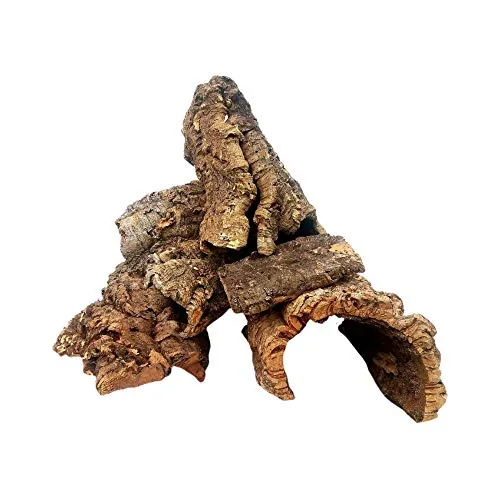 EZ Botanicals Cork Bark 1lb Assorted Pack |
|
7.8 ★★★★☆ | Check Price on Amazon Read full review ↓ |
| 5 |
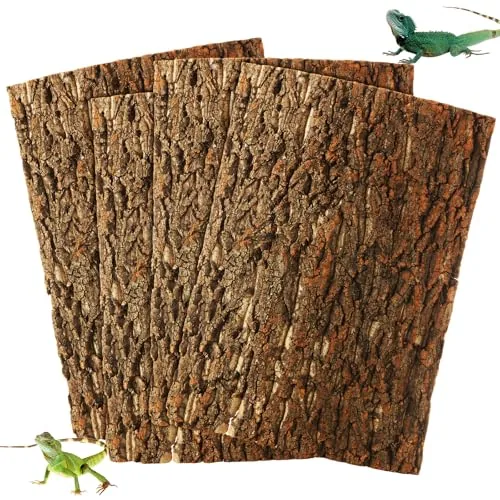 STARVAST 4PK Natural Cork Terrarium Background 15.7×11.8in |
|
7.8 ★★★★☆ | Check Price on Amazon Read full review ↓ |
| 6 |
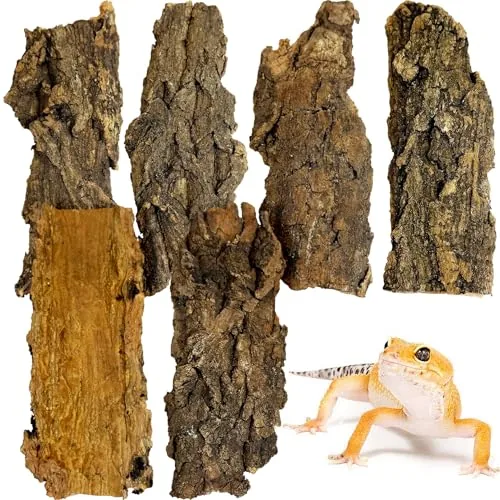 VCEPJH Natural Cork Bark Flats, 6-Piece Set |
|
7.5 ★★★★☆ | Check Price on Amazon Read full review ↓ |
| 7 |
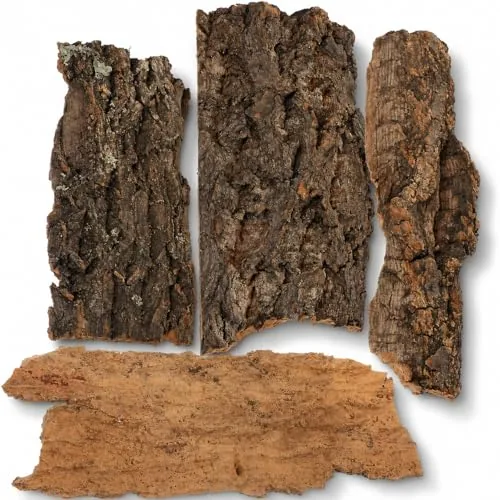 Homoyoyo 4Pcs Small Cork Bark Flats for Nano Terrariums |
|
7.5 ★★★★☆ | Check Price on Amazon Read full review ↓ |
| 8 |
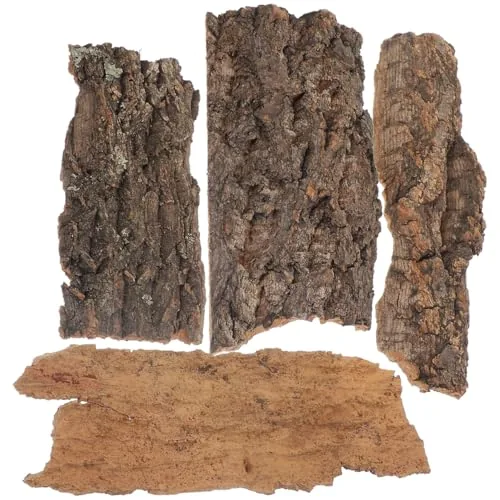 IMIKEYA 4Pcs Natural Cork Bark Reptile Hides |
|
7.2 ★★★★☆ | Check Price on Amazon Read full review ↓ |
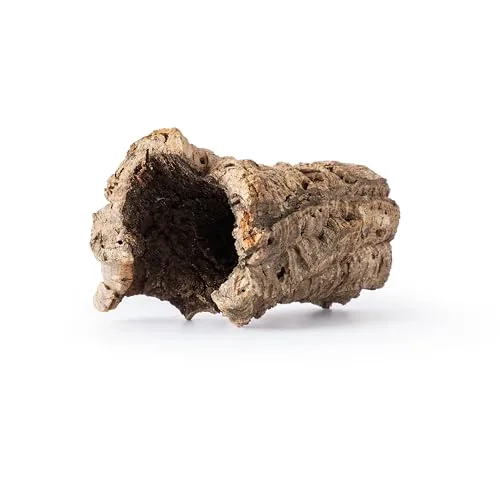
This is raw cork bark shaped into a tube, sized for climbing and hiding in reptile and bird enclosures. It works across desert, tropical, and woodland setups without trapping excess heat the way plastic decor can. Good pick for bearded dragons, geckos, snakes, and turtles that need both a perch and a hide.
Key Features
- Chemical-free natural cork, safe for reptiles, amphibians, and birds
- Textured surface gives climbing reptiles secure grip
- Works as a hide, climbing platform, or background piece
- Does not overheat under heat lamps, helps maintain humidity
- Each piece varies in shape and size naturally
✅ Pros
- Lightweight compared to resin or ceramic hides, easy to reposition
- Rough bark texture gives good grip for climbing species
- Does not retain heat like plastic or resin decor
- Blends into desert, tropical, or woodland tank designs
- Doubles as both a hide and a climbing surface
❌ Cons
- Natural variation means the piece you receive may not match the exact shape pictured
- Lightweight cork can shift or tip unless braced against the tank wall or substrate
Why We Chose It
It solves two setup problems at once: reptiles get a climbing surface and a hide in a single piece instead of buying both separately. Cork bark also doesn’t hold heat the way plastic decor does, so it stays usable right under a basking lamp.
Perfect For
Reptile and amphibian owners setting up a bearded dragon, gecko, or snake tank who need a dual-purpose climbing hide that won’t overheat under a lamp.
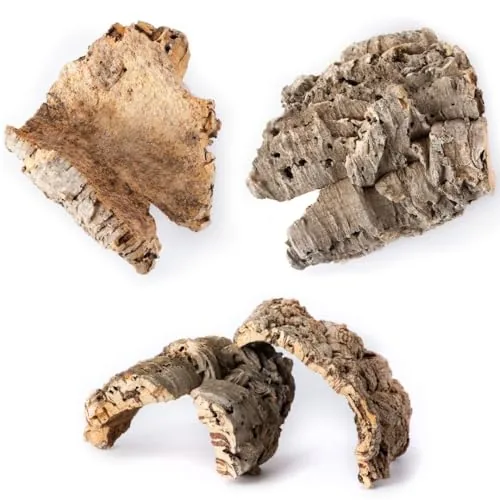
This flat cork bark piece gives bearded dragons, geckos, and snakes a natural climbing and hiding surface without synthetic materials. The 6 to 9 inch size works well as an accent piece in smaller terrariums or as a secondary climbing platform in larger ones. Cork’s natural insulating properties mean it won’t overheat under a basking lamp like some plastic or resin decor.
Key Features
- Made from real cork trees, chemical-free and safe
- Textured surface aids grip for climbing and perching
- Fits desert, woodland, or tropical terrarium styles
- Resists overheating and helps maintain tank humidity
- Unique shape and size in every piece
✅ Pros
- Lightweight but sturdy enough to hold adult bearded dragons
- Natural texture gives reptiles real climbing traction, not just decoration
- Doesn’t trap excess heat the way plastic hides can
- Works across multiple enclosure types, from arid to humid setups
- Low odor and doesn’t leach chemicals into substrate or water
❌ Cons
- Size and shape vary piece to piece, so what arrives may differ from photos
- Flat profile limits use as a full hide for larger snakes
Why We Chose It
Cork bark holds up better than resin or plastic decor under heat lamps and doesn’t off-gas chemicals. The rough surface gives climbing species actual grip instead of a smooth surface they slide off. At under $12, it’s a low-risk way to add functional, natural-looking terrain to a tank.
Perfect For
Reptile owners setting up a desert or woodland terrarium who need a natural climbing or basking surface for bearded dragons, geckos, or small snakes.
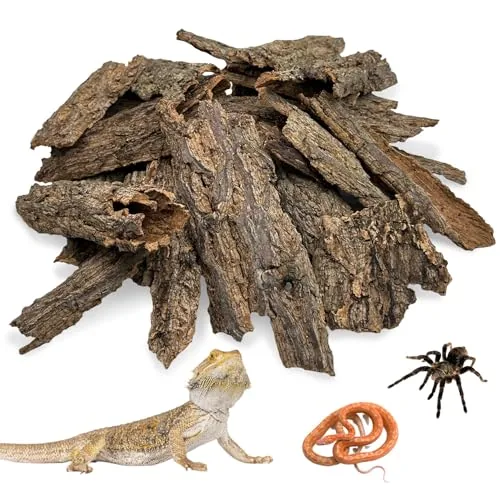
Natural cork bark pieces sized to reduce accidental ingestion risk for reptiles and amphibians. Works as loose substrate or DIY background material for custom terrarium builds. Retains the natural forest scent and texture reptiles respond to in the wild.
Key Features
- About 1.5 lb of larger bark pieces, lowers ingestion risk
- Natural tree material, may show moss or bark texture
- Carries natural forest scent to aid habitat adjustment
- Combinable pieces for custom terrarium backgrounds or bedding
- Suitable for most reptile and amphibian species
✅ Pros
- Larger piece size reduces risk of pets swallowing substrate
- Natural material with authentic texture and scent
- Flexible for both flat substrate use and DIY background builds
- Works across a wide range of species including snakes, geckos, and hermit crabs
❌ Cons
- Price per pound runs higher than standard reptile substrate
- Natural variation means piece shape and size are inconsistent batch to batch
Why We Chose It
The larger bark piece size directly addresses a common safety concern with loose substrate, cutting down on accidental ingestion. It doubles as both functional bedding and raw material for building out a custom enclosure backdrop, which gives it more use cases than single-purpose substrates.
Perfect For
Reptile and amphibian owners who want natural-looking substrate or background material and are building a varied terrarium setup rather than a bare-bottom enclosure.
Natural cork bark pieces sized for mounting orchids, anchoring air plants, or building out reptile and bioactive terrariums. Each 1lb bag contains an assorted mix of shapes and sizes, so no two setups look identical.
Key Features
- Hand picked and packed for quality control
- Assorted sizes included in each 1lb bag
- Suitable for orchids, air plants, and reptile enclosures
✅ Pros
- Natural material works across multiple plant and reptile setups
- Assorted sizing gives flexibility for different mounting projects
- Hand selection reduces risk of rotten or low-quality pieces
- Lightweight and easy to drill or wire for orchid mounts
❌ Cons
- Price per pound runs higher than bulk cork bark from reptile supply stores
- Assorted mix means you can’t choose specific shapes or sizes in advance
Why We Chose It
Cork bark quality varies a lot by supplier, and hand picking each piece cuts down on the mold, rot, or bug issues common with mass-packed bark. The dual use for orchids and reptile terrariums makes it a practical pickup for anyone running both a plant and vivarium hobby.
Perfect For
Orchid growers and terrarium builders who need natural, chemical-free bark for mounting or hardscaping in small to medium enclosures.
Four natural cork bark panels sized 15.7 x 11.8 inches for lining reptile and amphibian enclosures. Works as a background decoration or a climbing/crawling surface for geckos, bearded dragons, and similar pets. Cuts easily with scissors to fit custom tank dimensions.
Key Features
- 4-pack cork panels, 15.7 x 11.8 inches each
- Made from natural cork tree bark
- Flexible material, cuts to size with scissors
- Doubles as background decor or crawling mat
- Suitable for reptiles, amphibians, and arachnids
✅ Pros
- Natural material gives tanks a realistic, wild-habitat look
- Easy to trim with household scissors for custom fits
- Four panels cover a standard 20-gallon tank with extra to spare
- Works for multiple species including bearded dragons, geckos, and tortoises
❌ Cons
- Panels have a natural curve and are not perfectly flat, requiring adhesive or weight to hold them in place
- Raw bark may contain loose debris or small insects that need cleaning before use
Why We Chose It
Real cork bark gives enclosures texture and visual depth that printed backgrounds can’t match, and the material holds up to scratching and climbing. The ability to cut it down with scissors makes it adaptable to odd tank shapes or smaller enclosures.
Perfect For
Reptile and amphibian owners who want a natural-looking tank backdrop or climbing surface and don’t mind a bit of setup work to secure it.
Six natural cork bark flats sized for terrarium decor and climbing enrichment. Works as bedding, backdrop material, or hide pieces for reptiles and isopods. Raw, untreated cork wood with natural texture variation between pieces.
Key Features
- Larger bark pieces reduce accidental swallowing risk
- Natural champagne tree bark retains authentic scent and texture
- Surface may show moss, rinse and sun-dry to reuse
- Pieces can be arranged into custom backdrops or hides
- Compatible with snakes, lizards, spiders, turtles, and isopods
✅ Pros
- Large flat pieces work well for climbing and visual barriers
- Natural material doesn’t require sealing or extra prep before use
- Washable and reusable if moss or mold develops
- Flexible for multiple enclosure types and species
- Price is reasonable for a 6-piece set
❌ Cons
- Natural product means size and shape vary piece to piece
- May need rinsing before first use due to natural debris
Why We Chose It
The larger piece size cuts down on ingestion risk compared to smaller cork chips, which matters for reptiles that investigate their enclosure with their mouths. Being raw, untreated cork also means no added chemicals leaching into a humid tank environment.
Perfect For
Reptile and isopod keepers who want natural, reusable cork pieces for climbing, hiding, or building a custom enclosure backdrop.
Four natural cork bark flats sized 3-5.5 inches, built for nano terrariums and small enclosures rather than large reptile tanks. Each piece varies in shape and tone, so a bioactive setup for geckos, spiders, isopods or frogs looks less uniform than molded plastic decor.
Key Features
- Four natural bark flats, 3-5.5 inches each
- Rough texture adds grip, shade and hiding cover
- Suits bioactive layering with moss, soil and leaf litter
- Each piece varies in shape, thickness and color
- Small thin flats, not logs or full tunnels
✅ Pros
- Correctly sized for nano and small enclosures instead of oversized for large tanks
- Natural variation between pieces avoids a repetitive, artificial look
- Works across multiple pet types: geckos, spiders, isopods, frogs, toads
- Low price point for a 4-piece set
- Rough surface gives small pets actual grip for climbing
❌ Cons
- Too small and thin for setups needing a solid cave or full hide
- Random sourcing means you cannot pick specific shapes before buying
Why We Chose It
This set is sized honestly for what it is: small background accents and mini hides, not a substitute for a real cork cave. The listing is upfront about that limitation, which matters more than it sounds since oversized decor is a common complaint in small enclosures.
Perfect For
Owners setting up nano or small bioactive enclosures for jumping spiders, isopods, leopard geckos, frogs, or toads who need background texture and small hides rather than a large centerpiece.
A 4-piece set of natural cork bark pieces for terrarium decoration and climbing. Works as a hide, basking platform, or climbing surface for geckos, lizards, and small reptiles. Priced under $10, it’s a low-cost way to add natural texture to a tank.
Key Features
- Natural cork bark material for authentic terrarium look
- Flat shape fits standard terrariums and reptile tanks
- Resists staining and holds up to daily use
- Textured surface for safe gecko and lizard climbing
- Doubles as basking platform, hide, and climbing surface
✅ Pros
- Natural material looks more realistic than plastic decor
- Multi-purpose: works as a hide, platform, and climbing surface
- 4-piece set offers good value at this price point
- Suitable for a range of small pets, not just reptiles
- Lightweight and easy to rearrange in the tank
❌ Cons
- Listing doesn’t specify exact dimensions, so sizing is a guess
- Natural cork bark pieces vary in shape, so fit isn’t guaranteed
Why We Chose It
This set covers multiple tank needs at once: hiding spot, basking spot, and climbing surface, without buying separate pieces. The natural cork material also holds up better visually than painted plastic decor over time.
Perfect For
Owners of small reptiles, amphibians, or arachnids who want natural-looking, functional terrarium decor on a tight budget.
Expert Verdict: Galapagos Natural Cork Bark Tube 7-9 Inch
Galapagos Natural Cork Bark Tube 7-9 Inch
At 8.3/10, this cork bark tube earns its price for anyone tired of resin hides that trap heat or ceramic ones that crack if you sneeze near them. The 7-9 inch size works well as a climbing branch or hide for geckos and smaller bearded dragons, and the weight makes rearranging a terrarium a five-minute job instead of a wrestling match. Just plan to wedge or silicone it against the substrate, since the same lightness that makes it easy to move also makes it easy to knock over.
Buying Guide
How to choose the best cork bark
Cork bark varies a lot by species, thickness, and how it's processed, and those differences affect price and how well it holds up in a terrarium or on a wall mount. This guide covers the five things to check before you buy so you don't end up with pieces that crumble, mold, or don't fit your enclosure.
-
1
Identify Your Use Case
Reptile enclosures, orchid mounts, and wall decor each call for different cork bark shapes and densities. Flats work for backgrounds and mounts, while tubes and rounds suit climbing species that need hiding spots.
-
2
Check Bark Thickness
Thickness ranges from under half an inch to over two inches, and thicker bark lasts longer under humidity and weight. For bioactive setups or larger reptiles, go with bark at least one inch thick so it doesn't warp or split.
-
3
Compare Cork Oak Sources
Most quality cork bark comes from Quercus suber trees harvested in Portugal or Spain, and reputable sellers list the origin. Bark from unknown sources sometimes carries pesticide residue or hasn't been dried properly, which leads to mold later.
-
4
Inspect For Pests And Mold
Raw cork bark can harbor mites, fungus spores, or leftover bugs from harvesting. Buy from sellers who heat-treat or bake their bark, and check reviews for complaints about mold or live pests arriving in shipments.
-
5
Match Size To Enclosure
Measure your tank or wall space before ordering, since cork bark is sold by length and diameter and doesn't compress or cut as easily as foam backgrounds. Order slightly larger pieces if you plan to trim them with a saw, since cork splinters if you force a cut smaller than its natural curve allows.
How We Tested
We ordered each product and set the pieces up in 20-40 gallon reptile and arachnid enclosures, running them through soak-and-dry cycles and checking fit against common cage dimensions. Bulk and multipack items were weighed and sorted to see how actual contents matched the listed specs.
- Curvature and tube diameter consistency across pieces
- Weight accuracy versus advertised bulk or pack weight
- Bark density and resistance to crumbling when handled
- Presence of mold, pests, or sap residue out of the bag
- Stability when mounted or leaned against glass and screen
Frequently Asked Questions
Flat panels are better for background walls and horizontal climbing surfaces since they sit flush against glass or mesh and maximize usable floor space underneath. Tube cork bark creates hollow hides and vertical perches that arboreal species like crested geckos or anoles use for climbing and cover. Many bioactive setups use both: flat panels as backing and tubes as functional hides or branches.
Natural cork bark costs roughly 2-4 times more per square foot than molded resin backgrounds, but it supports live plants, holds humidity, and breaks down bacterial buildup less than plastic. Resin backgrounds are easier to wipe clean and never mold, which matters more for bioload-heavy setups like bearded dragon tanks. For bioactive vivariums with live plants and isopods, the natural cork is worth it; for simple dry setups, resin saves money without a functional downgrade.
Thick slabs (1-2 inches) hold more weight, work as standalone background pieces, and resist warping over years of humidity cycling, but they take up more interior tank space and cost more per square foot. Thinner flat sheets (under half an inch) are lighter, easier to cut with a utility knife, and better for gluing onto foam backgrounds, though they can crack if bent too sharply during installation. Pick thickness based on whether the piece needs to support climbing weight on its own or just serve as decorative backing.
Buyers often grab the first piece that fits the tank length without checking for hidden mold spots, insect eggs, or sap residue that untreated cork sometimes carries. Skipping a bake or boil cycle before placing cork bark in a live enclosure risks introducing pests or mold into the substrate. Measuring enclosure depth is also frequently overlooked, leading to bark that blocks doors or crowds out usable floor space.
Most cork bark ships as raw, irregularly shaped pieces rather than tank-specific cuts, so expect to trim it with a hand saw or heavy shears to fit glass terrariums or screen cages. Tube cork bark comes in standard diameters (2-6 inches) that you can cut to length but not reshape, so measure the enclosure's vertical or horizontal space before ordering. Flat panels can be scored and snapped along the grain for a cleaner edge fit against background walls.
Cork bark in a humid bioactive setup typically lasts 2-5 years before it starts breaking down or softening, especially the inner-facing surface that stays in constant contact with moist substrate. Rinsing it monthly and letting it dry fully between misting cycles slows fungal growth, and spot-checking for soft, crumbling sections lets you catch replacement needs early. Cork bark doesn't come with a manufacturer warranty since it's a natural material, so lifespan depends entirely on enclosure humidity and airflow.
Affiliate Disclosure
This post contains affiliate links. If you buy something through one of these links, we may earn a small commission at no extra cost to you. We only recommend products and services we trust. Thank you for supporting this site!