A leopard gecko’s tank size determines whether it can thermoregulate properly, avoid stress, and live out a normal 15-20 year lifespan. The common advice of ’10 gallons is fine’ comes from outdated pet store standards that ignore how much floor space these lizards actually use to move between temperature zones. This guide breaks down exact dimensions by age and housing situation.
Minimum Tank Size for One Adult Leopard Gecko
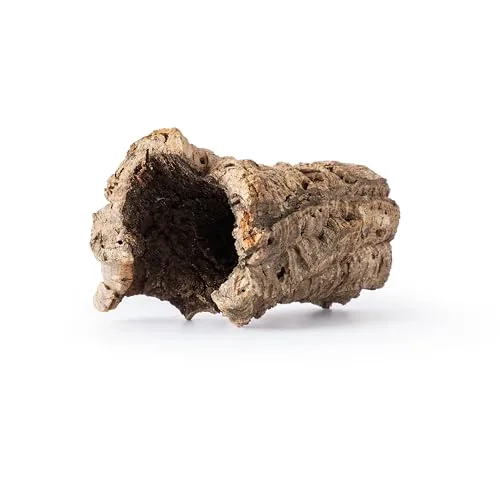
A single adult leopard gecko needs at least a 20-gallon long tank, measuring roughly 30 by 12 inches of floor space. The ‘long’ designation matters more than the gallon number here. A standard 20-gallon tall tank has the same water volume but less floor area, and leopard geckos are ground-dwelling lizards that rarely climb. Height above 12-14 inches is wasted space for this species. What they need is horizontal room to walk from a warm hide on one end to a cool hide on the other, with a humid hide somewhere in between for shedding. At 20 gallons, you can fit a basking spot around 88-92°F, an ambient cool side closer to 75°F, and three separate hides without everything crowding together. Anything smaller than 20 gallons makes it difficult to maintain that gradient, since the warm and cool zones end up too close to stay distinct. Tank height also affects how you mount your heat source. A shallow tank keeps a under-tank heater or overhead ceramic heat emitter at a consistent distance from the substrate, which matters for keeping surface temperatures accurate rather than guessing based on ambient air readings.
Why a Larger Tank Often Works Better
A 40-gallon breeder tank, which measures about 36 by 18 inches, gives a single leopard gecko noticeably more room to establish separate zones without any one area overlapping another. That extra footprint makes a real difference once you start adding furniture: a basking hide, a cool hide, a humid hide, a water dish, and climbing décor can turn a 20-gallon tank cluttered fast. Comparing enclosure sizes side by side, the jump from 20 to 40 gallons doesn’t just add floor space, it changes how stable your temperature gradient stays throughout the day, since a larger air volume buffers against quick swings when a door opens or room temperature shifts. The specific tank models built for this species tend to run in this 40-50 gallon range for exactly that reason. Cost and heating efficiency are the main tradeoffs. A bigger tank costs more upfront and needs a slightly more powerful heat source to hit target basking temperatures, but most keepers who upgrade from 20 to 40 gallons report fewer temperature fluctuations and less visible stress behavior, like glass surfing or hiding constantly in the coolest corner.
Sizing by Age: Hatchling, Juvenile, Adult
A hatchling leopard gecko, under about 3 inches long, does better in a smaller enclosure around 10 gallons. Too much open space makes it harder for a tiny lizard to find food and can create stress from feeling exposed. Once the gecko reaches 4-6 months and 4-5 inches in length, move up to a 15-20 gallon tank. By the time it reaches adult size, usually 7-10 inches at 10-12 months old, a full 20-40 gallon setup is appropriate. Jumping straight to an adult-sized tank with a hatchling is a common mistake that makes feeding harder to monitor and increases hiding time since the animal has too much territory to feel secure in. Whatever size tank you’re running at each stage, keeping the heat source consistent matters just as much as the footprint (a quality thermostat, like the ones covered in this breakdown of temperature control units for reptile tanks, prevents the basking spot from drifting as the gecko grows and the tank setup changes around it). Resist the urge to size up faster than the gecko’s actual growth.
Housing More Than One Leopard Gecko
Two adult male leopard geckos should never share a tank regardless of size. Males are territorial and will fight, often causing serious injury even in a 40-gallon enclosure. Females can sometimes cohabit, but each additional gecko needs roughly 10 more gallons of space and its own full set of hides. A 40-gallon tank might work for two females, but three or more usually requires 60+ gallons to avoid competition over basking spots and food. Watch for tail waving, biting, or one gecko consistently blocking another from the warm hide. Those are signs the tank is too crowded even if the gallon count looks sufficient on paper. Multiple hides matter more in shared enclosures than in solo setups, since a dominant gecko will claim the best one and leave a subordinate animal without adequate cover. The reptile hide roundup on this site goes into which hide styles work for creating separate, defensible territories within one tank. In general, cohabitation adds enough risk and maintenance that most keepers find it simpler to house leopard geckos separately, even if that means buying a second tank instead of splitting one larger one.
A 20-gallon long tank is the floor, not the target, for an adult leopard gecko. Sizing up to 40 gallons gives more stable temperature zones and room for proper hides, and matching tank size to your gecko’s actual age prevents the stress that comes from either too little or too much open space. Whatever size you land on, the gradient and hide setup inside it matters as much as the gallon number on the box.
Affiliate Disclosure
This post contains affiliate links. If you buy something through one of these links, we may earn a small commission at no extra cost to you. We only recommend products and services we trust. Thank you for supporting this site!