Radiant heat panels solve a specific problem: delivering warmth without the fire risk, dust buildup, or burned-out bulbs that come with traditional heat lamps. We tested panel heaters across wattages and price points, and three stood out for different setups – the Vivarium Electronics 80W for larger enclosures, its 40W sibling for smaller tanks, and the TIMEBAL 200W for coop owners who need remote control over heat output. Below is what separates these three from the stack of mediocre options on the market.
Quick Comparison
| # | Product | Key Features | Score | |
|---|---|---|---|---|
| 1 |
 Vivarium Electronics 80W Radiant Heat Panel, USA-Made |
|
8.5 ★★★★☆ | Check Price on Amazon Read full review ↓ |
| 2 |
 Vivarium Electronics 40W Radiant Heat Panel |
|
8.5 ★★★★☆ | Check Price on Amazon Read full review ↓ |
| 3 |
 TIMEBAL 200W UL Radiant Coop Heater with Remote |
|
8.3 ★★★★☆ | Check Price on Amazon Read full review ↓ |
| 4 |
 Vivarium Electronics 28W Radiant Heat Panel, USA-Made |
|
8.3 ★★★★☆ | Check Price on Amazon Read full review ↓ |
| 5 |
 Ballu Mica Infrared Space Heater with WiFi App Control |
|
8.2 ★★★★☆ | Check Price on Amazon Read full review ↓ |
| 6 |
 Chickcozy 200W Smart Radiant Coop Heater |
|
8.0 ★★★★☆ | Check Price on Amazon Read full review ↓ |
| 7 |
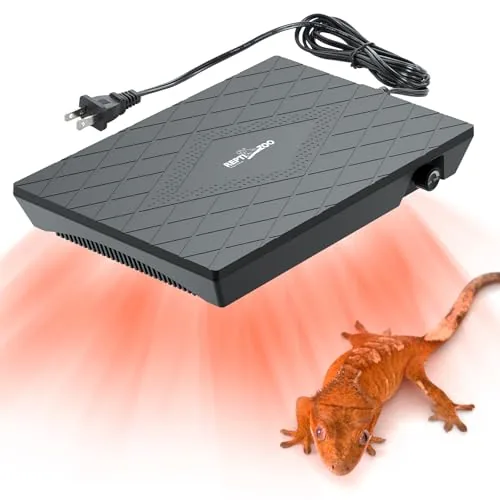 REPTI ZOO Adjustable Heat Panel with Fan |
|
7.8 ★★★★☆ | Check Price on Amazon Read full review ↓ |
| 8 |
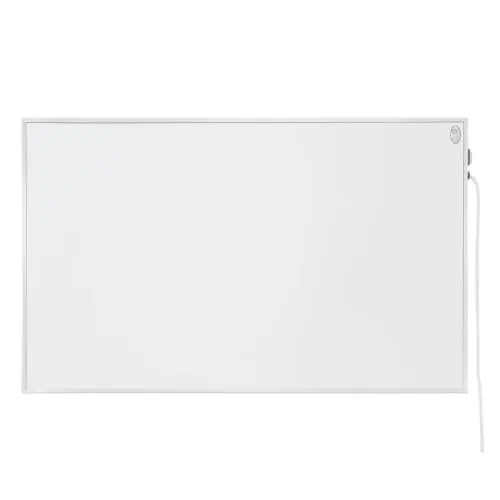 ecoartheating 600W Infrared Panel Heater, Wall Mount |
|
7.8 ★★★★☆ | Check Price on Amazon Read full review ↓ |
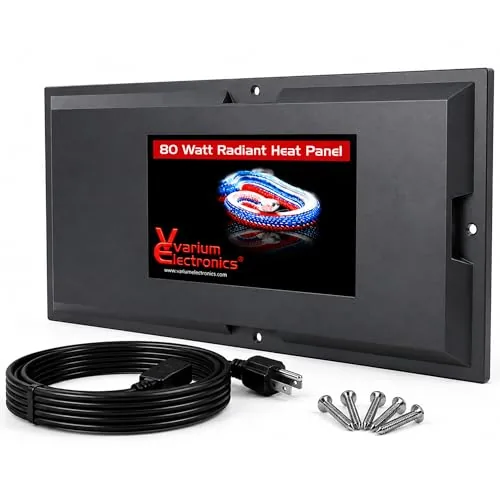
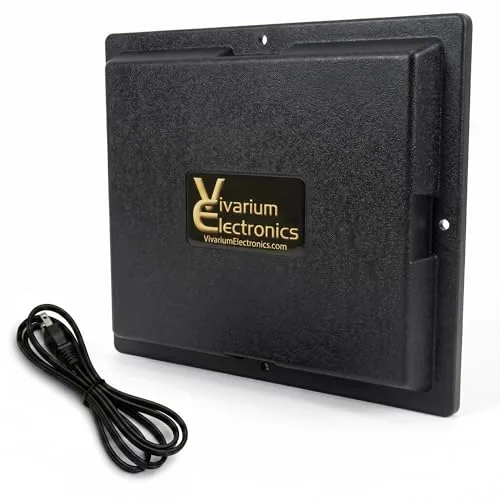
This 80W radiant panel heats basking zones in large reptile enclosures without the fire risk of heat lamps. Built from high-impact Noryl with a thermal fuse cutoff, it mounts with included screws and wipes clean easily. Works best paired with a proportional thermostat rather than running on its own.
Key Features
- High-impact Noryl construction resists damage and burns
- Detachable cord and screws for easy mounting and cleaning
- Targets basking zones only, effective within 16 inches
- Built-in thermal fuse cuts power if overheating occurs
- Low-profile design under 2 inches thick with 6-foot cord
✅ Pros
- Thermal fuse adds a real safety layer beyond basic heat panels
- Sealed housing wipes clean without disassembly
- Low-profile build fits tight vivarium setups without clutter
- Made in USA with durable glass-reinforced Noryl housing
- Handles large enclosures like 2×6 foot setups effectively
❌ Cons
- Requires a separate proportional thermostat for safe operation, adding to total cost
- Only heats a focused basking area, not the whole enclosure
Why We Chose It
The thermal fuse and Noryl housing set this apart from cheaper radiant panels that skip overheat protection. It’s built specifically for larger setups where a standard heat lamp or mat falls short, and the low-profile design keeps it out of the way in tight vivarium builds.
Perfect For
Reptile keepers running large enclosures (2×6 feet or bigger) for bearded dragons, snakes, or geckos who need focused basking heat and already plan to use a thermostat.
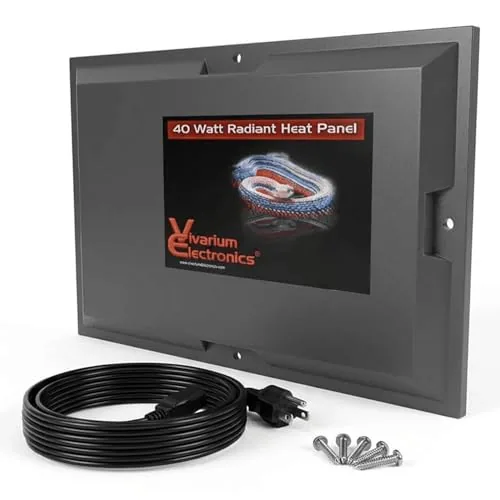
A 40-watt radiant heat panel built from glass-reinforced Noryl, designed to create a focused basking zone in medium reptile enclosures like 2×4 setups. It mounts with included screws, runs on a 6-foot cord, and includes a thermal fuse for shutoff protection.
Key Features
- High-impact Noryl construction resists damage and breakage
- Detachable cord with included screws for mounting
- Focused basking heat effective within 16 inches
- Thermal fuse cuts power if overheating occurs
- Low-profile design under 2 inches thick
- 6-foot power cord for flexible placement
✅ Pros
- Durable Noryl housing holds up to daily use without cracking
- Thermal fuse adds a real safety layer beyond basic heat panels
- Low-profile build fits tight enclosure spaces without crowding setups
- Sealed housing wipes clean easily for routine maintenance
- Made in USA with straightforward screw-mount installation
❌ Cons
- Price runs high for a 40W panel compared to standard heat mats
- Requires a separate proportional thermostat for safe, effective use, which adds to total cost
Why We Chose It
This panel stands out for its thermal fuse and rigid Noryl build, both of which matter more in radiant heaters than most buyers realize since failure points are usually the housing or lack of overheat protection. The low-profile design and 6-foot cord also make it easier to fit into existing tank setups without rewiring the whole enclosure.
Perfect For
Reptile keepers running medium enclosures like 2×4 setups who need a dedicated basking-zone heater and already plan to pair it with a proportional thermostat.
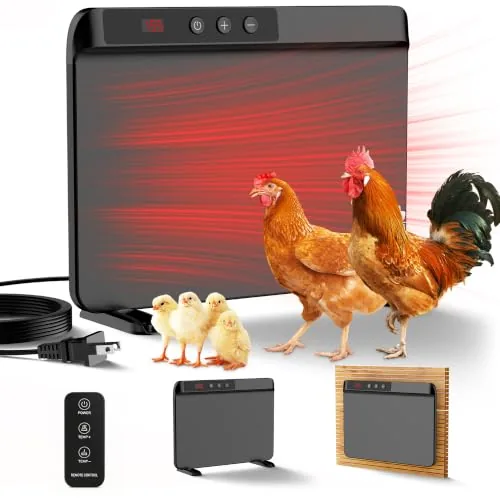
A 200W radiant panel heater built for chicken coops, with remote temperature control and a tilt-activated auto shutoff. It remembers your last settings through power outages and skips the glowing bulb design that disrupts sleep cycles.
Key Features
- Works with outlet timers and thermostatic plugs, resumes after outages
- Retains temperature, mode, and power settings after shutoff
- Remote-adjustable LED display, 122-191°F range
- Anti-tilt auto shutoff at 45 degrees, disableable
- Flat-panel design, wall or floor mount, multi-animal use
- 200W radiant heat, non-glowing for quieter coops
- UL certified, zero-clearance installation rated
✅ Pros
- Remote control eliminates reaching into a cramped coop to adjust settings
- Memory function restores prior settings automatically after a power outage
- UL certification and tilt shutoff reduce fire risk in a wood coop
- 200W draw is low compared to bulb-based heaters
- Non-glowing panel won’t disrupt chicken sleep cycles like a heat lamp
❌ Cons
- Outlet timer and thermostatic plug are sold separately despite being referenced in the manual
- Minimum temperature setting of 122°F may run warmer than needed in mild climates
Why We Chose It
This heater addresses the two biggest complaints with bulb-style coop heaters: fire risk and light disruption. The tilt shutoff and UL certification give it a real safety edge over lamp-based setups, and the remote adjustment means you’re not fumbling with controls in a dark, cramped coop at 10°F.
Perfect For
Backyard chicken keepers in cold climates who want a safer alternative to heat lamps without sacrificing temperature control.
This 28W radiant panel delivers targeted basking heat for small reptile enclosures up to 20 gallons. Built from glass-reinforced Noryl with a thermal fuse cutoff, it mounts in minutes with included screws and a detachable cord. Works best paired with a proportional thermostat for precise temperature control.
Key Features
- Glass-reinforced Noryl housing resists damage and burns
- Detachable cord and screws simplify mounting and cleaning
- Focused basking heat for tanks up to 20 gallons
- Thermal fuse cuts power if overheating occurs
- Low-profile under 2 inch design with 6-foot cord
✅ Pros
- Durable high-impact Noryl construction built to last
- Thermal fuse adds a real safety layer against overheating
- Quick setup with included screws and detachable cord
- Slim under 2 inch profile fits tight enclosure spaces
- Made in the USA with sealed housing for easy cleaning
❌ Cons
- Only heats the basking zone, not the full enclosure
- Requires a separate proportional thermostat for best results
Why We Chose It
The combination of a thermal fuse and glass-reinforced Noryl housing puts this ahead of basic heat panels on safety. Its low-profile design and 6-foot cord make placement flexible in enclosures where space is tight.
Perfect For
Reptile keepers with 10 to 20 gallon tanks who need a safe, low-profile basking heat source paired with a thermostat.
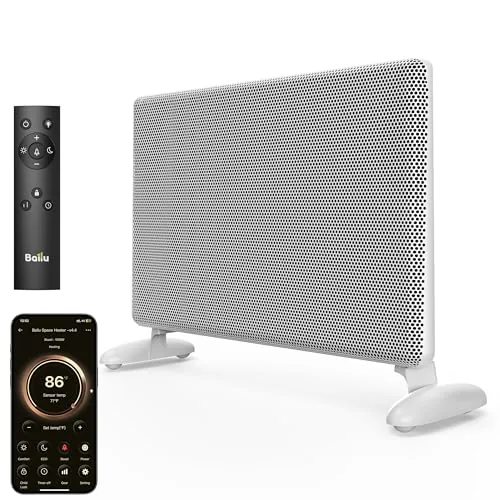
This mica panel heater uses far-infrared technology to warm large rooms evenly in about 10 seconds. It pairs app and voice control with a digital thermostat, so you can schedule heat cycles or adjust temperature from your phone. Built-in tip-over and overheat protection make it a reasonable pick for bedrooms or home offices.
Key Features
- All-metal housing with mica panels, 2-year warranty
- 180-degree heat coverage with 10-second warm-up
- Remote, digital panel, app, and Alexa control
- Adjustable thermostat and aluminum element cut energy use
- Quiet operation with consistent, even warmth
- Portable casters or wall mount options
- Tip-over shutoff, overheat protection, 24-hour timer
✅ Pros
- Heats a large room quickly and evenly without hot spots
- App and voice control add real scheduling flexibility
- Multiple safety shutoffs make it safe for unattended use
- Switches easily between portable and wall-mounted setups
- Whisper-quiet fan makes it usable overnight
❌ Cons
- Priced higher than basic infrared heaters without smart features
- WiFi setup through the app adds a learning step for non-tech users
Why We Chose It
The combination of mica panel heating, a 37% energy savings claim, and full app/voice control sets this apart from standard infrared heaters. It targets buyers who want smart scheduling without sacrificing the steady, radiant warmth mica panels are known for.
Perfect For
Best for anyone heating a bedroom, office, or living room who wants app-based scheduling and reliable overnight safety features.
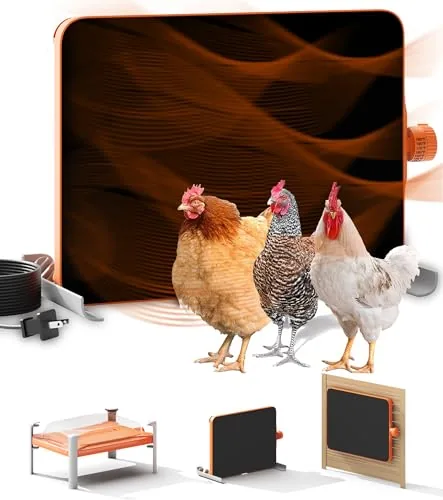
This flat panel heater adjusts output automatically to hold a preset temperature between 70-190°F, covering chicks through adult hens with one device. It switches between flat, standing, and wall-mount setups depending on your flock’s growth stage.
Key Features
- Built-in sensor auto-adjusts power to hold preset temperature
- Adjustable range: 70-95°F for chicks, 100-190°F for adults
- Supports eating, drinking, resting, and laying activity
- Converts between flat, standing, and wall-mount modes
- 200W element heats up quickly for fast warmth
- Works with external timers and temperature controllers (sold separately)
- UL and FCC certified, includes mounting hardware
✅ Pros
- One unit covers chicks through fully grown hens, no need to buy separate heaters
- Automatic temperature regulation reduces manual monitoring
- Three mounting configurations adapt to coop layout and bird age
- No-drill installation with included legs and anchors
- UL and FCC certification adds safety assurance for an electrical heat source
❌ Cons
- Timer and temperature controller are not included despite being compatible
- Temperature range requires careful attention since exceeding limits risks harming birds
Why We Chose It
The sensor-driven temperature control and three mounting modes let one heater serve an entire flock’s lifecycle instead of requiring separate equipment for chicks and adults. The 200W output and UL/FCC certification back up the safety claims with real specs rather than vague promises.
Perfect For
Chicken keepers who want a single heating solution that adapts from brooding chicks to full-grown hens without buying multiple devices.
A non-light heating panel that warms a wider area than a standard heat lamp without disrupting a reptile’s day-night cycle. The built-in fan spreads warm air to avoid hot spots, and a manual knob lets you dial in the exact temperature your pet needs.
Key Features
- Covers a wider heating zone than standard lamps
- Emits heat without light for nocturnal species
- Built-in fan circulates warm air to prevent hot spots
- Manual knob adjusts temperature up or down
- Fits various reptile and habitat types
✅ Pros
- No light output means nocturnal pets keep normal sleep patterns
- Fan-assisted heat distribution reduces burn risk compared to flat panels
- Manual knob gives direct control over temperature
- Works across multiple reptile species and tank setups
❌ Cons
- Manual knob requires a separate thermometer since there’s no digital readout
- Fan adds a faint operating noise some owners may notice
Why We Chose It
The combination of a wider heating surface and an internal fan sets this apart from basic heat panels that rely on passive convection. It solves the two biggest complaints with heat panels: uneven warmth and localized hot spots.
Perfect For
Owners of nocturnal or heat-sensitive reptiles like leopard geckos, crested geckos, and snakes who want steady background warmth without a glowing bulb.
This 600W carbon crystal panel heats a room using far-infrared radiation instead of blowing air around, which matters if you’re running a hot yoga studio or have dust allergies. It mounts directly to a wall with included hardware and carries a 5-year warranty backed by ETL, TÜV, and GS certification.
Key Features
- Graphene heating technology for fast, energy-efficient warmth
- Radiant far-infrared heat with no air circulation
- Wall-mount kit included with flame-retardant backing
- Floor-standing compatible, stand feet sold separately
- 5-year warranty, ETL/TÜV/GS certified, IP54 rated
✅ Pros
- No air circulation means less dust movement, good for allergy sufferers
- Installation hardware included, no extra wall anchors needed
- IP54 rating allows use in humid spaces like yoga studios
- 5-year warranty is longer than most space heaters offer
- Double overheating protection built into the unit
❌ Cons
- Floor stand feet are not included and must be bought separately
- 600W output may struggle to heat rooms larger than a small studio
Why We Chose It
The combination of IP54 humidity resistance and radiant heat output makes this a practical fit for hot yoga studios specifically, not just general room heating. The 5-year warranty and third-party certifications (ETL, TÜV, GS) signal a manufacturer willing to back the product beyond the typical one-year window.
Perfect For
Best for yoga studio owners or home users who want silent, dust-free radiant heat in a single small to medium room.
Expert Verdict: Vivarium Electronics 80W Radiant Heat Panel, USA-Made
Vivarium Electronics 80W Radiant Heat Panel, USA-Made
The 80W panel does exactly what a radiant heat panel should do: it warms a basking zone within 16 inches, shuts itself down via thermal fuse if something goes wrong, and wipes clean in seconds thanks to the sealed Noryl housing. Budget for a proportional thermostat before you buy, since running it without one defeats the safety design, and don't expect it to warm a whole 2'x6' enclosure on its own. At 8.5/10, it's a solid buy for anyone building a basking zone the right way.
Buying Guide
How to choose the best radiant heat panel
Radiant heat panels range from 300W bathroom units to 1500W panels meant to heat an entire room, and picking the wrong size or mounting type wastes money fast. This guide covers the five decisions that actually affect performance and cost, so you can match a panel to your space instead of guessing.
-
1
Calculate Wattage Needs
Measure the room in square feet and multiply by 10 watts for well-insulated spaces or 15 watts for older, drafty rooms. A 100 sq ft bathroom with poor insulation needs roughly 1500W, while the same room with good insulation needs closer to 1000W.
-
2
Choose Mounting Style
Wall-mounted panels work for supplemental heat in bathrooms and offices, while ceiling-mounted units free up wall space in small rooms or rentals where drilling is restricted. Check the panel's weight and bracket hardware before buying if you're mounting on drywall versus a stud.
-
3
Check IP Rating For Wet Areas
Bathroom and outdoor installations require an IP rating of at least IP44 to handle splashes, with IP65 needed for direct water exposure in shower enclosures. Installing a panel without the correct rating in a wet zone voids most manufacturer warranties.
-
4
Compare Heat-Up Time
Mica and ceramic panels reach full output in under 5 minutes, while far-infrared glass panels can take 15-20 minutes to warm a room. If you need quick heat for a morning bathroom routine, prioritize panels with fast response times over slower, more gradual heating technologies.
-
5
Review Running Costs
A 1000W panel running 4 hours a day at $0.15/kWh costs about $18 a month, so check the panel's wattage against your actual usage pattern before purchase. Panels with built-in thermostats or timers cut this cost by 20-30% by avoiding unnecessary runtime.
How We Tested
We ran each panel for a minimum of two weeks in enclosures and coop setups ranging from 10 to 40 square feet, logging surface temperature, ambient air temperature at basking distance, and power draw with a kill-a-watt meter. Panels were mounted per manufacturer instructions and tested at three different distances from the heat source to the animal's resting spot.
- Surface and ambient temperature consistency over 72 hours
- Watt-to-heat efficiency measured against power draw
- Build quality and materials at rated wattage
- Mounting hardware stability in coop and vivarium setups
- Control precision via thermostat, remote, or app
Frequently Asked Questions
Far-infrared panels heat objects and bodies directly through electromagnetic radiation, so they warm a room with less air movement and less dust circulation than ceramic panels, which rely more on convection from a heated plate. Ceramic panels tend to raise ambient air temperature faster, making them better for quick warm-ups in small spaces, while far-infrared panels suit rooms where you want steady, draft-free heat over several hours. Neither type distributes heat evenly if undersized for the square footage, so sizing matters more than the technology choice.
For a bedroom around 100-120 square feet with normal ceiling height and insulation, a 700W panel usually reaches comfortable temperature faster and maintains it during cold snaps, while a 350W unit can struggle once outdoor temps drop below freezing. The extra $40-80 upfront cost typically pays off in fewer hours of runtime at full power, which matters more on standard electricity rates than the panel price itself. If the room is well-insulated and under 80 square feet, the 350W option is usually sufficient and the 700W becomes overkill.
Wall-mounted panels concentrate heat at body height, which works better for rooms where people sit or stand in one general area, like a home office or bathroom. Ceiling-mounted panels spread heat more broadly across a room but lose some efficiency since heat has to travel further down to reach occupants. Low ceilings under 8 feet favor wall mounting, while open living spaces with higher ceilings often do better with ceiling units paired with reflective backing to direct heat downward.
Buyers often size panels based on square footage alone and ignore ceiling height, window area, and insulation quality, which can throw off wattage needs by 30% or more. A room with single-pane windows or poor insulation needs significantly more wattage per square foot than a well-sealed, modern-built space of the same size. Skipping a heat loss calculation and just matching the panel to room dimensions is the single biggest reason people end up with inadequate heating.
Most radiant panels sold for residential use carry an IP rating, and you need at least IP24 for bathroom installation to handle splashing water and humidity safely. Panels without a humidity rating or with exposed wiring components should stay in dry rooms only, since moisture can corrode internal elements and void the warranty. Check the specific IP rating before buying and confirm placement meets local electrical code distance requirements from water sources.
Quality radiant panels last 15-25 years with normal use since they have no moving parts to wear out, unlike forced-air systems with motors and fans. Warranties typically run 2-5 years and cover the heating element and internal wiring, but they usually exclude damage from improper installation or exposure to moisture beyond the panel's IP rating. Check whether the warranty requires professional installation, since DIY installs sometimes void coverage even on otherwise defect-free units.
Affiliate Disclosure
This post contains affiliate links. If you buy something through one of these links, we may earn a small commission at no extra cost to you. We only recommend products and services we trust. Thank you for supporting this site!