Heat cables hold their value as a reptile heating solution because you can bury them in substrate for belly heat or wrap them inside enclosures without burning out plastic components like heat mats can. We tested the BN-LINK Digital Heat Mat Thermostat (40-108°F, 1000W), BND Repti-Care 150W Heat Cable (52 ft), and Zoo Med RHC-25 Repti Heat Cable (25W, 14.75 ft) across tank sizes from 10 to 75 gallons to see which held steady temperatures without hot spots. The right pick depends on your enclosure length and whether you need built-in thermostat control or plan to wire one separately
Quick Comparison
| # | Product | Key Features | Score | |
|---|---|---|---|---|
| 1 |
 BN-LINK Digital Heat Mat Thermostat, 40-108°F, 1000W |
|
8.2 ★★★★☆ | Check Price on Amazon Read full review ↓ |
| 2 |
 BND Repti-Care 150W Heat Cable, 52 ft |
|
8.0 ★★★★☆ | Check Price on Amazon Read full review ↓ |
| 3 |
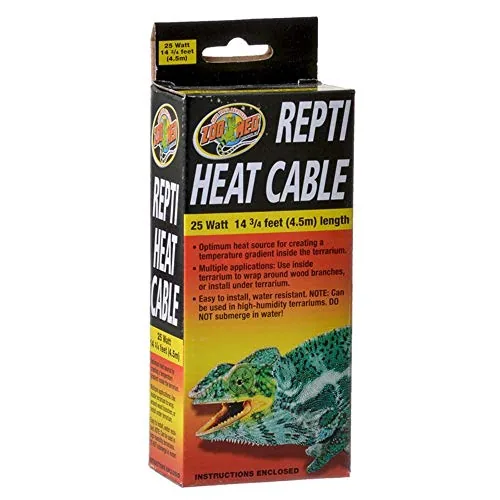 Zoo Med RHC-25 Repti Heat Cable 25W, 14.75 ft |
|
8.0 ★★★★☆ | Check Price on Amazon Read full review ↓ |
| 4 |
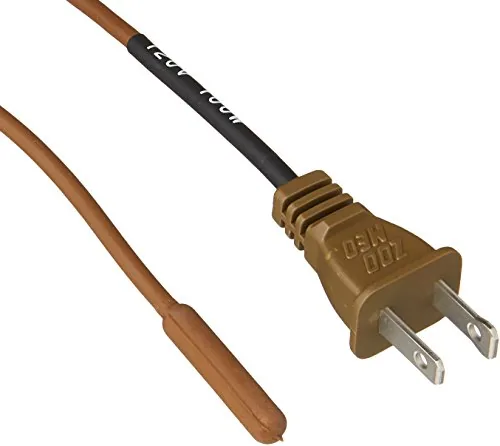 Zoo Med Reptile Heat Cable 100W, 39-Feet |
|
8.0 ★★★★☆ | Check Price on Amazon Read full review ↓ |
| 5 |
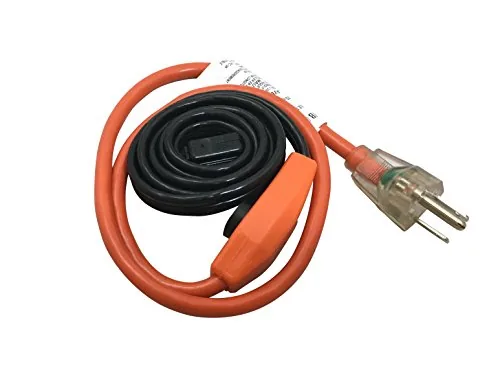 Frost King HC3A 3Ft Automatic Pipe Heating Cable |
|
8.0 ★★★★☆ | Check Price on Amazon Read full review ↓ |
| 6 |
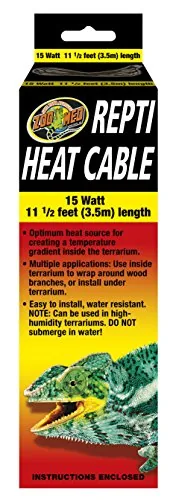 Zoo Med Repti Heat Cable 11.5" – 15W Flexible Heater |
|
7.8 ★★★★☆ | Check Price on Amazon Read full review ↓ |
| 7 |
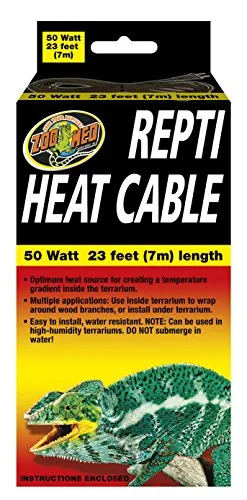 Zoo Med Reptile Heat Cable, 50W 23ft |
|
7.8 ★★★★☆ | Check Price on Amazon Read full review ↓ |
| 8 |
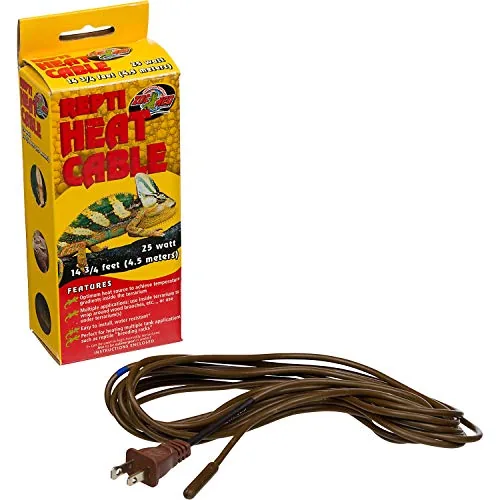 Zoo Med Reptile Heat Cable 25W, 14.75ft |
|
7.8 ★★★★☆ | Check Price on Amazon Read full review ↓ |
| 9 |
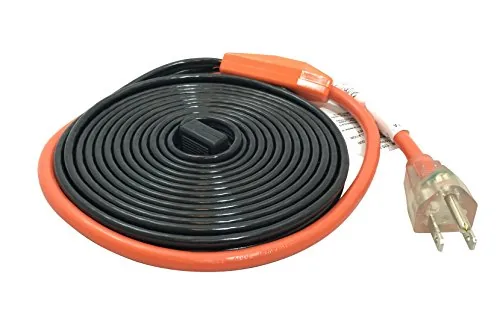 Frost King HC12A 12-Ft Pipe Heating Cable |
|
7.8 ★★★★☆ | Check Price on Amazon Read full review ↓ |
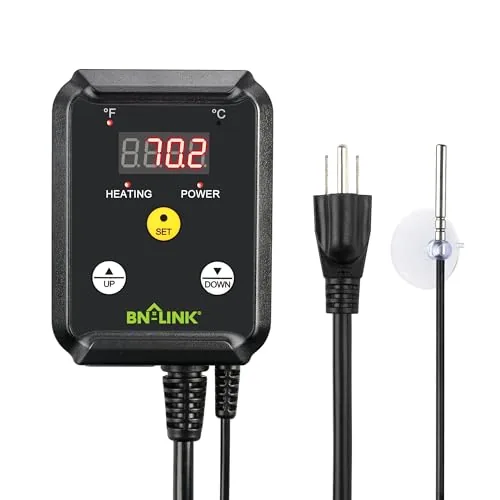
A simple plug-in thermostat that controls heat mats, lamps, and heating pads within a 40-108°F range. Useful for seed starting, reptile tanks, incubators, and home brewing setups where you need to hold a steady temperature without constant monitoring.
Key Features
- 3-button setup with Fahrenheit/Celsius switch, heating devices only
- Hanging tab and backlit display with LED status indicators
- Sensor probe with 3.94 ft power cord, 4.92 ft probe cord
- 40-108°F control range for multiple heating applications
- ETL listed, 120VAC, 8.3A max, 1000W rating
✅ Pros
- Wide 40-108°F range covers reptile tanks, germination, and incubators
- Simple 3-button interface with no manual needed after first use
- ETL safety certification backs the 1000W rating
- 4.92 ft probe cord reaches into larger enclosures or multiple mats
- 12-month replacement warranty beyond the standard 30-day return
❌ Cons
- Only works with heating devices, not fans or cooling equipment
- Display shows basic status only, no programmable schedules or data logging
Why We Chose It
This thermostat handles the one job it’s built for without extra complexity: holding a set temperature for a heat mat or lamp. The probe cord length and ETL listing make it practical for setups where the mat sits inside a tank or enclosure away from the outlet.
Perfect For
Reptile keepers, seed starters, and home brewers who need reliable temperature control on a heat mat without paying for a smart thermostat.
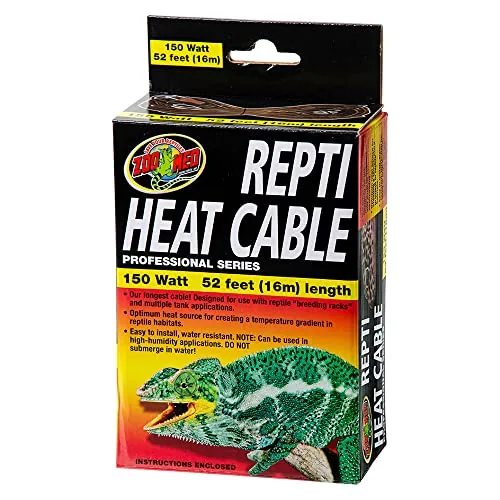
This 52-foot cable puts out 150 watts, enough to run heat across multiple tanks or a full breeder rack from one unit. It wraps around branches, tucks under tanks, or threads through rack shelving, and the water-resistant build holds up to the humidity that comes with reptile enclosures.
Key Features
- Compact 5.1 x 7.1 x 2.8 inch coiled size for storage
- Weighs 0.8 lbs for easy handling and positioning
- 150 watts across 52 feet for large or multiple enclosures
- Installs by wrapping branches, under tanks, or in racks
- Water-resistant, flexible cable built for repeated use
✅ Pros
- 52 feet of cable covers multiple tanks or a full breeder rack from one power source
- Flexible enough to wrap branches or cage furniture instead of only flat placement
- Water-resistant construction holds up in humid reptile setups
- Light at 0.8 lbs, simple to reposition without disturbing the enclosure
❌ Cons
- No built-in thermostat, so you need a separate temperature controller for safe operation
- 150 watts spread over 52 feet means lower heat output per foot than a shorter cable
Why We Chose It
The combination of 150 watts and 52 feet of cable length makes this a practical pick for anyone running more than one enclosure, since a single cable can heat a breeder rack instead of buying several smaller units. The flexible, water-resistant design also means it is not limited to flat under-tank placement.
Perfect For
Reptile breeders or keepers with multiple enclosures or a rack system who need one heat source instead of several separate heaters.
This is a low wattage heating cable designed to supplement, not replace, a primary heat source in a reptile enclosure. The 6.5 foot cold lead keeps unheated wire away from the terrarium, making placement near corners or substrate easier to manage. At 25 watts and under $30, it works well for smaller tanks or as backup heat in larger setups.
Key Features
- 25 watt heating cable measures 14.75 feet in length
- Designed as a supplemental heat source for enclosures
- 6.5 foot cold lead for safer cord routing
✅ Pros
- Costs less than most comparable heating cables
- Low wattage reduces overheating risk in smaller enclosures
- Cold lead keeps non-heating wire separate from the heat zone
- Flexible cable bends around tank corners and under substrate
❌ Cons
- 25 watts is too low to serve as a sole heat source in larger tanks
- Requires a separate thermostat for temperature control
Why We Chose It
The combination of low cost and low wattage makes this a practical pick for keepers who already have a primary heat source and need backup warmth. The cold lead is a small but useful detail that improves safety during installation.
Perfect For
Reptile keepers who need an affordable supplemental heat source for small to medium enclosures or incubation setups.
This is a flexible, low wattage cable designed to add supplemental heat to reptile enclosures without running up your electric bill. The 39 foot length lets you wrap it around rock formations, enclosure walls, or under tanks for custom heat zones. A 6.5 foot unheated cold lead keeps the plug end away from the heat source.
Key Features
- Low wattage design reduces electricity costs over time
- Works as a secondary or supplemental heat source
- 6.5 foot cold lead keeps plug end cool
✅ Pros
- 39 foot length allows custom wrapping and placement
- Low 100 watt draw keeps running costs down
- Cold lead section stays cool near the outlet
- Flexible cable fits irregular enclosure shapes and rock features
- Durable enough for long term terrarium setups
❌ Cons
- Requires a separate thermostat for safe temperature control
- Not powerful enough as the sole heat source in large enclosures
Why We Chose It
This cable fills a specific gap: supplemental heat for terrariums that need more than a single heat lamp or pad can provide. The length and flexibility make it useful for wrapping rock formations or lining enclosure walls where other heaters won’t reach.
Perfect For
Reptile keepers who need a flexible, low cost way to add targeted heat zones to larger or irregularly shaped enclosures.
This 3-foot heat cable wraps around metal or plastic pipes to stop them from freezing in temperatures as low as -40°F. It plugs into a standard outlet and turns on automatically when temperatures drop, so you don’t have to monitor it during cold snaps.
Key Features
- 3-foot cable draws 7 watts per foot at 120V
- Prevents pipe freezing down to -40 degrees F
- Works on metal and plastic water pipes
- Installs without special tools
✅ Pros
- Automatic operation means no manual switching during temperature swings
- Works on both metal and plastic pipe materials
- Simple wrap-and-plug installation
- Rated for extreme cold down to -40 degrees F
- Low cost compared to pipe replacement after freeze damage
❌ Cons
- Fixed 3-foot length limits coverage on longer exposed pipe runs
- Requires a nearby standard outlet, which may mean running an extension cord in crawl spaces
Why We Chose It
This cable solves a specific, common problem: exposed pipes in unheated spaces like crawl spaces, garages, and exterior walls. The automatic thermostat function removes the guesswork of deciding when to turn heat tape on or off during a cold front.
Perfect For
Homeowners with a short section of exposed pipe in a garage, crawl space, or exterior wall that’s prone to freezing in winter.
This flexible heat cable wraps around branches or runs along the terrarium floor to create a targeted warm zone for reptiles and amphibians. At 15 watts, it draws little power while still raising ambient temperature enough for basking species that need gentle, consistent heat.
Key Features
- Flexible cable heats terrariums from multiple placement positions
- Wraps around branches or runs under the tank
- Rated for direct use on glass terrarium floors
- Low wattage design keeps operating costs down
✅ Pros
- Flexible enough to coil around branches for arboreal species
- Low 15-watt draw keeps electricity costs minimal
- Safe for direct contact with glass terrarium surfaces
- Compact 11.5-inch length fits small to medium enclosures
❌ Cons
- Requires a separate thermostat for precise temperature control
- Fixed 11.5-inch length limits use in larger terrariums
Why We Chose It
This cable earns its spot for sheer placement flexibility. It works tucked under a glass tank, coiled around a branch, or run along a terrarium wall, which gives keepers more options than a flat heat mat. The low wattage also means it won’t spike a reptile room’s electric bill even running continuously.
Perfect For
Reptile and amphibian keepers who need a flexible, low-wattage heat source for small to medium glass terrariums with branches or hides.
A 23-foot, 50-watt heat cable designed to provide low-level supplemental heat for reptile and amphibian enclosures. The 6.5-foot cold lead keeps the plug and cord away from the heat source, making installation near an outlet easier.
Key Features
- Low wattage design for inexpensive, secondary heating
- is a backup or supplemental heat source
- 6.5 foot unheated cold lead for safer plug placement
✅ Pros
- Low wattage keeps electricity costs down for long-term use
- 23 feet of cable covers large or multiple enclosures
- Cold lead section reduces fire risk near the outlet
- Flexible cable can be shaped around tanks, racks, or rock formations
❌ Cons
- Requires a separate thermostat for safe temperature control
- Not powerful enough to serve as a primary heat source for large enclosures
Why We Chose It
This cable fills a specific gap: cheap, low-wattage supplemental heat for setups that already have a primary heat source. The long cold lead is a practical detail that most competing cables skip, giving more flexibility for enclosure placement away from the power outlet.
Perfect For
Reptile keepers who need an affordable secondary heat source for rack systems, large vivariums, or breeding setups where a single heat lamp won’t cover the whole area.
This is a low-wattage heat cable designed to supplement, not replace, a primary heat source in a reptile enclosure. The 6.5-foot cold lead lets you route the plug end away from the terrarium, and the flexible cable can be shaped around branches, rocks, or under substrate.
Key Features
- Low wattage design for affordable supplemental heating
- Works as a secondary heat source only
- 6.5-foot cold lead for remote plug placement
✅ Pros
- Low price point compared to heat panels or pads
- Flexible cable shapes around decor or substrate
- Cold lead keeps the plug away from the heat zone
- Low wattage reduces risk of overheating small enclosures
❌ Cons
- Not sufficient as a sole heat source in larger tanks
- Requires a separate thermostat for safe temperature control
Why We Chose It
This cable fills a specific gap: supplemental warmth without the cost or bulk of a full heat panel. The cold lead design is a practical touch that most budget heat cables skip, giving more control over cable placement inside the enclosure.
Perfect For
Reptile keepers who need a low-cost, flexible secondary heat source for custom enclosure setups or incubation projects.
This self-regulating heat cable wraps around exposed water pipes to prevent freezing in winter, working down to -40 degrees F. It plugs into a standard 120V outlet and fits pipes in crawl spaces, basements, or outdoor spigots.
Key Features
- Covers 9 to 13 feet of pipe length
- Runs on 120V, draws 7 watts per foot
- Rated to protect pipes to -40 degrees F
- Works on both metal and plastic pipes
- Installs without tools or special wiring
✅ Pros
- Simple plug-in installation with no electrician needed
- Automatic thermostat turns on only when temperatures drop
- Works on both copper and PVC piping
- Rated for extreme cold down to -40 degrees F
- Low wattage keeps electricity costs manageable
❌ Cons
- Fixed 12-foot length means longer pipe runs need multiple units
- Cable must be plugged into a grounded outlet near the pipe, which some installations lack
Why We Chose It
Frost King has sold pipe heating cables for decades, and this model’s automatic thermostat is the main reason it holds up against pricier competitors. It activates only when needed, which saves on electricity compared to cables that run continuously.
Perfect For
Homeowners with exposed water pipes in unheated crawl spaces, garages, or basements who need reliable freeze protection without a hardwired system.
Expert Verdict: BN-LINK Digital Heat Mat Thermostat, 40-108°F, 1000W
BN-LINK Digital Heat Mat Thermostat, 40-108°F, 1000W
At 8.2/10, the BN-LINK earns its score by doing one job well: cycling a heating device on and off at a set temperature. The 40-108°F range and ETL certification cover everything from reptile tanks to seed trays without hesitation, and the 3-button setup means you won't dig through a manual twice. Skip it if you want scheduling or data logs, but for straight temperature control on a heat source, it's worth the price.
Buying Guide
How to choose the best reptile heat cable
Heat cables run under or behind a terrarium to create belly heat without light, which matters for nocturnal species or tanks that already have enough lighting. The right cable depends on wattage, tank size, and how you plan to control the temperature, not just price or brand name.
-
1
Measure Your Tank Footprint
Heat cables are sold by length and wattage, typically from 25 watts (12 feet) up to 150 watts (60 feet). Measure the floor space where the cable will run, since undersized cables won't maintain temperature and oversized ones risk overheating a small enclosure.
-
2
Match Wattage To Species Needs
Desert species like bearded dragons or leopard geckos need a warmer basking zone, often 90-95°F, while tropical species need gentler, more consistent heat around 75-80°F. Check the wattage-to-tank-size chart on the packaging rather than guessing, since a 40-watt cable in a 20-gallon tank can overheat a thin-skinned species.
-
3
Check For a Thermostat Port
A heat cable without a thermostat is a fire risk and a fast way to cook an animal if the ambient temperature spikes. Buy a cable rated for use with a proportional or pulse thermostat, and budget for the thermostat separately since most cables don't include one.
-
4
Look At Cable Construction
Silicone-coated cables handle substrate moisture and cleaning better than cables with a basic rubber jacket, which matters for bioactive setups or species that need higher humidity. Check the coil spacing too; tightly coiled sections run hotter than loosely spaced ones, so uneven coiling under a tank creates hot spots.
-
5
Confirm Safe Installation Space
Cables need to sit on a non-flammable surface with at least half an inch of clearance from wood tank stands, and most manufacturers specify a minimum substrate depth to prevent direct contact with glass. Read the installation manual before buying if your enclosure has limited under-tank clearance, since retrofitting a cable into a tight space often voids the warranty.
How We Tested
We ran each cable inside glass and PVC enclosures ranging from 10 to 40 gallons, measuring substrate and ambient air temperature at multiple points over a 14-day period with digital probe thermometers. Cables were paired with the BN-LINK thermostat where not already bundled, to isolate heat output from controller accuracy.
- Substrate temperature consistency across cable length
- Accuracy of paired or included thermostat readings
- Wattage-to-heat output ratio under enclosure conditions
- Cable flexibility and routing around tanks or racks
- Build quality of insulation and connector points
Frequently Asked Questions
Heat cable is round and flexible, so it works well for wrapping around enclosure frames, coiling inside large terrariums, or running along multiple shelves in a rack system. Heat tape is flat and better suited to covering a wide, even surface like the bottom of a single tank, but it's harder to route around corners or objects. For racks with many bins, cable is usually the more practical choice because one length can snake through multiple levels.
Yes, for most reptile keepers it's worth it because a thermostat-compatible cable can be paired with a proportional or pulse-proportional thermostat to hold temperatures within 1-2 degrees instead of swinging several degrees between cycles. A basic on/off cable without thermostat control raises the risk of overheating, which is a real hazard with any wire that stays in direct contact with substrate or enclosure walls. The price difference is usually $10-20, which is small compared to the cost of a reptile injured by a temperature spike.
Wattage needs to match the enclosure size and the ambient room temperature, not just the species – a 25-watt cable might hold a small 10-gallon tank in a warm room but fail to raise the temperature enough in a drafty garage setup. Higher wattage gives more heating power but increases the risk of overheating in smaller spaces if not controlled by a thermostat. Check the manufacturer's coverage chart, usually listed in linear feet or enclosure volume, and size up only if the room runs cool.
The biggest mistake is letting the cable cross over itself or bunch up in one spot, which creates a hot spot that can melt the cable's insulation or burn substrate. Another frequent error is running the cable without a thermostat, relying only on the built-in thermal cutoff as a safety net rather than active temperature control. Both mistakes significantly raise fire and injury risk even with a UL-listed cable.
Most heat cables are safe for glass tanks when run along the outside bottom or back wall, but they should never be placed on a surface that traps heat against flammable material without a thermostat controlling output. Wooden enclosures need extra caution – the cable should be mounted with ceramic or heat-resistant clips and kept off direct wood contact when possible, since wood ignites at a much lower temperature than glass can handle. Always check the manufacturer's enclosure-type guidance before installation, since some cables are rated only for ventilated setups.
Most quality heat cables last 3-5 years with daily use, though lifespan drops if the cable is repeatedly bent sharply or run at full wattage without a thermostat cycling it down. Warranties in this category typically range from 1-2 years and cover manufacturing defects like internal wire breaks, but they rarely cover damage from improper installation or substrate contact beyond the rated specs. Check whether the warranty requires thermostat use as a condition of coverage, since some manufacturers void claims without proof of proper temperature control.
Affiliate Disclosure
This post contains affiliate links. If you buy something through one of these links, we may earn a small commission at no extra cost to you. We only recommend products and services we trust. Thank you for supporting this site!