Halogen basking bulbs run brighter and last longer than standard incandescent options, giving reptiles a more consistent heat gradient without constant bulb swaps. We tested output, wattage accuracy, and lifespan across several models to find the best halogen basking bulbs for tanks of different sizes. Fluker’s Splash Proof Halogen Bulb (50W) and the Exo Terra Sun Glo Halogen Basking Spot Lamp came out on top, holding steady temperatures and outlasting their rated hours in daily use.
Quick Comparison
| # | Product | Key Features | Score | |
|---|---|---|---|---|
| 1 |
 Fluker's Splash Proof Halogen Bulb, 50W |
|
8.2 ★★★★☆ | Check Price on Amazon Read full review ↓ |
| 2 |
 Exo Terra Sun Glo Halogen Basking Spot Lamp |
|
8.0 ★★★★☆ | Check Price on Amazon Read full review ↓ |
| 3 |
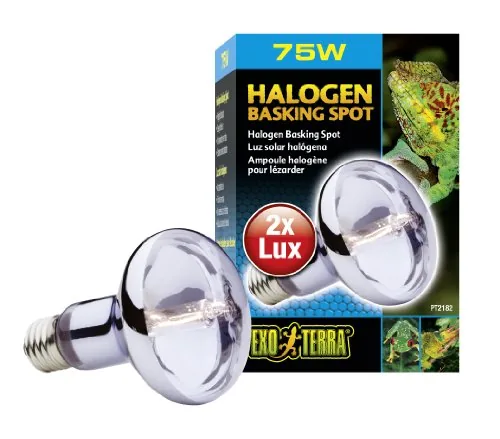 Exo Terra Sun Glo Halogen Basking Spot Lamp |
|
8.0 ★★★★☆ | Check Price on Amazon Read full review ↓ |
| 4 |
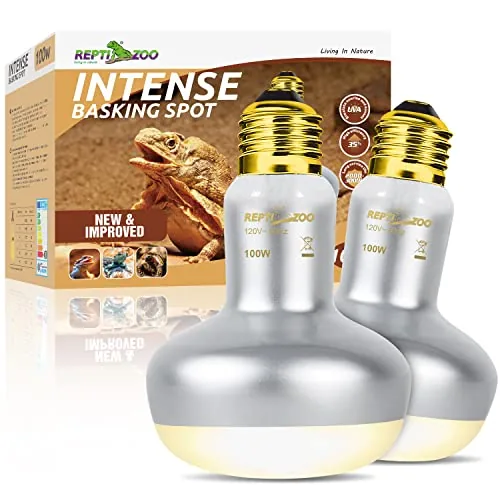 REPTI ZOO 100W Heat Lamp 2-Pack, UVA Basking Bulb |
|
7.8 ★★★★☆ | Check Price on Amazon Read full review ↓ |
| 5 |
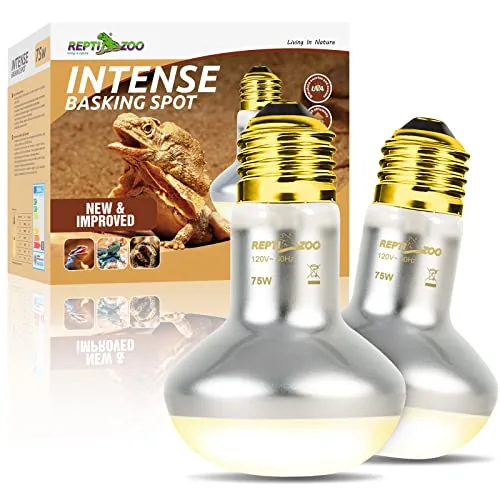 REPTI ZOO 75W Basking Heat Lamp, 2-Pack E26 |
|
7.8 ★★★★☆ | Check Price on Amazon Read full review ↓ |
| 6 |
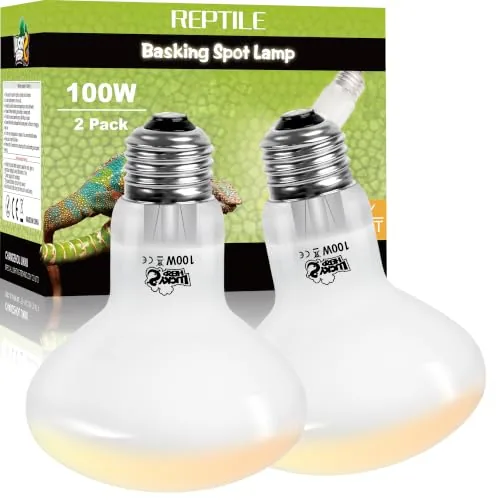 LUCKY HERP 100W UVA Basking Heat Bulb, 2-Pack |
|
7.8 ★★★★☆ | Check Price on Amazon Read full review ↓ |
| 7 |
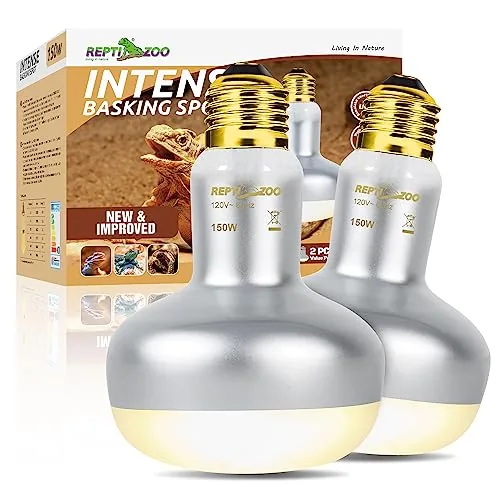 REPTI ZOO 150W 2-Pack Basking Heat Lamp Bulbs |
|
7.8 ★★★★☆ | Check Price on Amazon Read full review ↓ |
| 8 |
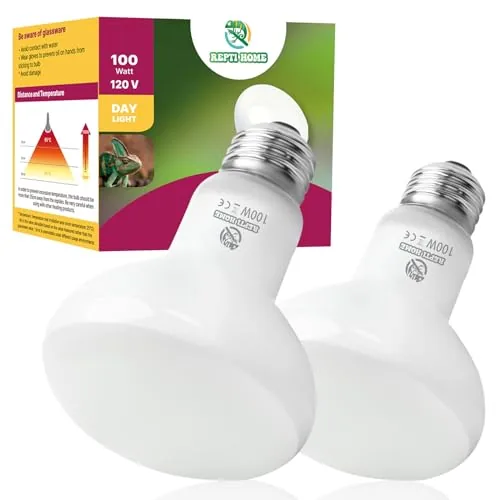 REPTI HOME 100W Basking Heat Bulbs, 2-Pack |
|
7.5 ★★★★☆ | Check Price on Amazon Read full review ↓ |
| 9 |
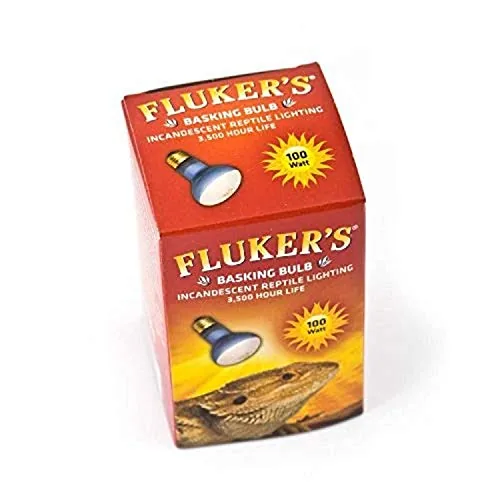 Fluker's 100W Incandescent Basking Spotlight Bulb |
|
7.5 ★★★★☆ | Check Price on Amazon Read full review ↓ |
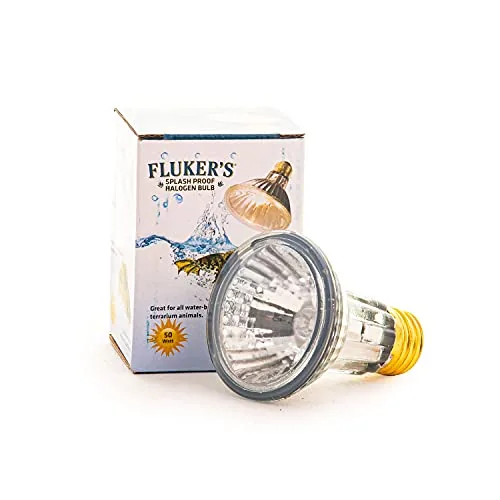
A 50-watt halogen heat bulb built specifically for humid and splash-prone enclosures like turtle tanks. The splash-proof glass survives water contact that would crack a standard heat lamp, and the halogen output enhances basking colors on reptiles and amphibians.
Key Features
- Rated for 2,500 hours of average bulb life
- Designed for aquatic and water based terrarium species
- Splash proof glass resists cracking from water contact
- Halogen light enhances natural coloration in basking animals
- Sized for aquatic turtle terrarium heat setups
✅ Pros
- Survives splashes that would shatter a standard heat lamp bulb
- Fits directly into existing halogen basking fixtures
- Low price point for a specialty aquatic-rated bulb
- Improves visible color and basking behavior in turtles and amphibians
- 50 watts is enough heat for most single-turtle basking setups
❌ Cons
- 2,500 hour lifespan means more frequent replacement than ceramic heat emitters
- 50 watts may be underpowered for larger tanks or colder rooms
Why We Chose It
Most basking bulbs aren’t built to handle the water splash that comes standard with aquatic setups, and cracked glass near a wet tank is a real hazard. This bulb solves that specific problem at a low price without sacrificing the color-enhancing basking light reptile keepers want.
Perfect For
Owners of aquatic turtles or other water-based terrarium pets who need a basking bulb that can handle occasional splashing without cracking.
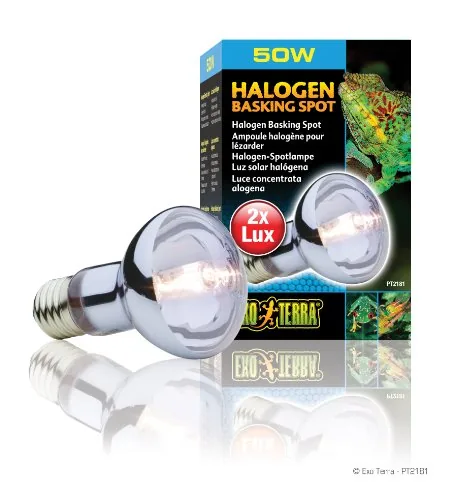
A halogen basking bulb that pumps out focused heat and daylight-spectrum light for reptile terrariums. The neodymium-coated glass sharpens color rendition so you actually see your animal’s markings instead of a washed-out haze under a standard bulb.
Key Features
- Full-spectrum daylight output for a natural basking environment
- Infrared-improved design for deeper, more consistent heat penetration
- Neodymium coating boosts color contrast and reptile coloration
- Emits UVA to support activity and breeding behavior
- Pairs with night heat lamps for 24-hour cycles
✅ Pros
- Noticeably better heat penetration than standard incandescent basking bulbs
- Neodymium coating makes colors on reptiles like bearded dragons and ball pythons pop
- Halogen construction runs efficiently and holds up longer than cheap ceramic options
- Works as one piece of a full day/night lighting setup
- Straightforward screw-in fit for standard porcelain fixtures
❌ Cons
- No UVB output, so you still need a separate UVB bulb for calcium metabolism
- Runs hot enough that placement and wattage need to match tank size carefully
Why We Chose It
This bulb earns its spot because the neodymium coating and infrared tuning actually change what you see and how your reptile behaves, not just marketing copy on the box. Heat penetration is genuinely better than a plain incandescent spot bulb at the same wattage, which matters for species that need deep basking warmth rather than surface heat.
Perfect For
Reptile keepers who already run a separate UVB source and want a dedicated, efficient basking bulb that also sharpens color and heat quality.
This halogen bulb throws deep, penetrating heat instead of just warming the air around the basking spot. The neodymium-coated glass sharpens color rendering so you can actually see your reptile’s markings instead of a washed-out tan blur.
Key Features
- Full-spectrum daylight bulb for natural basking simulation
- Higher infrared output for deeper heat penetration
- Neodymium coating improves reptile color visibility
- Emits UVA to support breeding behavior
- Pairs with night heat lamp for 24-hour cycle
✅ Pros
- Heat penetrates skin and muscle instead of just heating surface air
- Noticeably improves color contrast on scales versus standard incandescent bulbs
- Halogen construction lasts longer than typical basking bulbs
- Works with existing Exo Terra fixtures without adapters
❌ Cons
- Does not emit UVB, so a separate UVB bulb is still required
- Runs hotter than standard bulbs, so fixture placement needs more clearance
Why We Chose It
Most basking bulbs just heat the air near the bulb, but the halogen element here pushes infrared deeper for warmth reptiles actually absorb. The neodymium glass is a small addition that makes a visible difference in how the animal looks under the light.
Perfect For
Reptile keepers who already run a UVB bulb separately and want a dedicated basking light with better heat penetration and truer color rendering.
This 100W basking bulb pumps out concentrated heat and UVA light through a flat-bottom reflector design that focuses the beam more tightly than standard reflector bulbs. It runs quiet with no flicker, drops into any standard E26 socket, and comes two to a pack so you always have a spare on hand.
Key Features
- Simulates natural sunrise and sunset with UVA output
- Vacuum aluminizing process rated for 2000 to 3000 hours
- Flat bottom shape focuses beam for stronger basking heat
- Standard E26 socket fits most lamp fixtures
- Operates without buzzing noise or flickering
- Four stage quality inspection with safety certification
- Works for reptiles, amphibians, and chicken brooders
- Three month free replacement warranty with 12 hour support
✅ Pros
- Tight beam concentrates heat better than standard reflector bulbs
- Rated lifespan of 2000-3000 hours reduces replacement frequency
- Silent operation with no flicker, good for sensitive pets
- Two-pack means a backup bulb is always ready
- Fits standard E26 fixtures without adapters
❌ Cons
- UVA only, no UVB, so reptiles needing UVB exposure will need a separate bulb
- No thermostat or dimmer included, so temperature control depends on your fixture setup
Why We Chose It
The flat-bottom reflector design and vacuum aluminizing process set this apart from generic heat bulbs by concentrating heat into a tighter, more usable basking spot. Getting two bulbs at this price also makes it a practical buy for anyone running multiple enclosures or wanting a spare on hand.
Perfect For
Reptile and chicken brooder owners who need a reliable, quiet basking heat source and want a backup bulb included at no extra cost.
Two 75W basking bulbs built with a flat-bottom reflector that concentrates heat into a tighter beam than standard reflector bulbs. Rated for 2000-3000 hours of use and fits any standard E26 fixture, making it a straightforward swap for reptile tanks or chicken brooders.
Key Features
- Simulates sunrise-to-sunset light cycle with soft heat and UVA
- Vacuum aluminizing process boosts heat efficiency by 35%
- Flat-bottom reflector focuses 35% more heat into beam
- Standard E26 socket fits most existing lamp fixtures
- Operates without buzzing or flickering
- Passes 4-stage inspection including 30-minute aging test
- Suitable for reptiles, amphibians, and chicken brooders
- 3-month free replacement warranty with 12-hour support response
✅ Pros
- Two bulbs per pack lowers cost per unit compared to single-bulb basking lamps
- Flat reflector design creates a noticeably hotter, more defined basking spot
- Runs silent with no visible flicker, which matters for skittish reptiles
- Fits standard E26 fixtures without needing a special dome or adapter
- Rated lifespan of 2000-3000 hours beats typical basking bulb longevity
❌ Cons
- Only emits UVA, not UVB, so bearded dragons and other UVB-dependent species still need a separate UVB bulb
- 3-month warranty is short given the bulb’s 75W output and continuous-use application
Why We Chose It
The flat-bottom reflector is the real differentiator here since it pushes more heat into a concentrated basking zone instead of scattering it across the tank, which is exactly what species like bearded dragons and tortoises need for proper thermoregulation. Getting two bulbs for under $17 also makes it easy to keep a spare on hand for when the first one burns out.
Perfect For
Reptile and chicken brooder owners who need a reliable, budget-friendly basking heat source and already have a separate UVB bulb in their setup.
A straightforward 100W basking bulb pair for reptile tanks that need consistent daytime heat and UVA light. Fits standard ceramic fixtures and covers most common pet reptiles, from bearded dragons to tortoises. At under $12 for two bulbs, it’s a low-cost way to maintain a basking zone.
Key Features
- 100W bulb creates a warm basking spot
- Simulates sunlight with UVA output for activity
- Rated for up to 2,000 hours of use
- Works with bearded dragons, geckos, tortoises, and more
- Fits standard E26 ceramic sockets at 120V
✅ Pros
- Two bulbs for under $12 keeps replacement costs low
- Simple screw-in install with no flicker or hum
- Works across a wide range of reptile and amphibian species
- Glass construction with tested safety certification
❌ Cons
- No UVB output, so a separate UVB bulb is still needed for most reptiles
- 2,000-hour rated lifespan means more frequent replacement than LED heat sources
Why We Chose It
This bulb earns its spot for being a reliable, no-frills heat source at a price that makes stocking spares easy. The 2,000-hour rating and safety testing give it an edge over generic off-brand basking bulbs at similar prices.
Perfect For
Reptile owners who need an affordable, easy-to-replace daytime basking bulb for a standard ceramic fixture setup.
A two-pack of 150W E26 basking bulbs built for reptile tanks and chicken brooders. The flat-bottom reflector pushes more heat into a tighter beam than standard bulbs, and the pack gives you a spare on hand when the first one burns out.
Key Features
- Simulates sunrise and sunset for even basking heat
- Vacuum aluminizing process boosts efficiency 35 percent
- Rated for 2000 to 3000 hours of use
- Flat bottom reflector concentrates 35 percent more heat
- Fits standard E26 socket fixtures
- Runs without buzzing or flickering
- Passes 4-stage inspection and safety certification
- Works for reptiles, amphibians, and chicken brooders
✅ Pros
- Two bulbs per pack means a built-in spare when one burns out
- Tighter beam raises basking spot temperature more than typical reflector bulbs
- Simple E26 socket fits most existing dome fixtures
- Runs silently with no visible flicker
- 3-month free replacement if a bulb fails early
❌ Cons
- No built-in thermostat, so you still need a separate temperature controller
- 150W output requires a ceramic or heat-rated fixture, not a standard lamp socket
Why We Chose It
The flat-bottom reflector design does the real work here, directing more heat into a focused basking spot instead of scattering it across the tank. Combined with the 2000+ hour rated lifespan and a two-bulb pack, it’s a practical buy for anyone running a reptile enclosure or brooder that needs consistent heat without constant bulb replacement.
Perfect For
Reptile and chicken keepers who need a reliable, quiet basking heat source and want a backup bulb on hand without buying a second listing.
A basic 100W basking bulb pair for reptile and amphibian enclosures, designed to heat up quickly and mimic natural sunlight. Good for keepers who need a reliable backup on hand since the bulbs wear out after a few months of daily use.
Key Features
- Simulates natural sunlight for basking areas
- Concentrated beam design heats up within minutes
- Works for bearded dragons, snakes, turtles, and other pets
- Rated for 2,000 to 3,000 hours of use
- Not compatible with dimmers or thermostats
✅ Pros
- Two bulbs included, so a spare is ready when one burns out
- Reaches basking temperature within a few minutes of switching on
- Works across a wide range of reptile and small pet species
- Affordable at under $6 per bulb
❌ Cons
- Cannot be paired with a dimmer, thermostat, or rheostat
- Needs replacement roughly every 3 months with daily use
Why We Chose It
The two-bulb pack solves the common problem of a basking light dying mid-cycle with no backup on hand. The concentrated heating design gets a tank up to temperature faster than a typical bulb, which matters for reptiles that need consistent basking spots.
Perfect For
Reptile and amphibian owners who need an affordable, quick-heating basking bulb with a built-in spare.
A basic 100-watt incandescent bulb that throws focused heat and light onto a basking spot in a reptile tank. Works with standard dome fixtures and gives reptiles a warm zone to regulate body temperature.
Key Features
- Focuses heat and light on one basking area
- Fits standard incandescent fixtures with push button control
- Compact size at 14.2 x 4.6 x 7.9 cm
✅ Pros
- Cheap replacement bulb at $5.14
- Simple drop-in fit for most dome fixtures
- Creates a concentrated basking zone reptiles need for thermoregulation
- Lightweight at 18 grams, easy to ship or store spares
❌ Cons
- Incandescent bulbs run hot and burn out faster than ceramic or halogen options
- No built-in thermostat, so tank temperature still needs manual monitoring
Why We Chose It
It does one job well: delivering directional heat to a basking spot without extra features or complexity. At this price, it’s an easy pick for anyone needing a reliable spare bulb rather than a full heating upgrade.
Perfect For
Reptile owners who need an affordable, no-frills basking bulb for snakes, lizards, or turtles in a standard terrarium setup.
Expert Verdict: Fluker’s Splash Proof Halogen Bulb, 50W
Fluker's Splash Proof Halogen Bulb, 50W
At this price, the splash-proof design solves a real problem: standard halogen bulbs crack when a turtle or frog splashes water on them, and replacing a shattered bulb costs more than the risk premium here. The 2,500-hour lifespan means you're swapping bulbs every 3-4 months with daily use, but that's a fair tradeoff for basking setups near water. Buy it if you're running a paludarium or turtle tank and tired of losing bulbs to splashback.
Buying Guide
How to choose the best halogen basking bulb
Halogen basking bulbs put out a different spectrum and heat pattern than standard incandescent bulbs, and picking the wrong wattage or beam angle leaves your reptile without a proper thermal gradient. This guide covers the five factors that actually affect basking spot temperature, bulb lifespan, and whether your enclosure setup will work with the fixture you already own.
-
1
Match Wattage To Tank Size
A 50W bulb might hit 95°F in a 20-gallon tank but barely reach 85°F in a 40-gallon breeder. Measure the basking spot distance from the bulb to the surface and check the manufacturer's temperature chart for that specific distance before buying.
-
2
Check Beam Angle Spread
Narrow flood bulbs (around 30 degrees) concentrate heat on a small basking rock, while wide flood versions (60 degrees or more) spread warmth across a larger area for bigger lizards like bearded dragons. A mismatched beam angle either overheats a small spot or fails to create a defined gradient at all.
-
3
Confirm Fixture Compatibility
Halogen basking bulbs draw more current than standard incandescents and can run hotter at the base, so verify your dome fixture is rated for halogen use and has a ceramic socket. Using a fixture rated below the bulb's wattage risks melted sockets or fire hazards.
-
4
Compare Bulb Lifespan Ratings
Most halogen basking bulbs run 1,000 to 2,000 hours, but cheaper options can burn out closer to 500 hours under daily 12-hour cycles. Check the listed hour rating against your expected daily runtime to estimate how often you'll need replacements.
-
5
Verify UVA Output Claims
Halogen basking bulbs produce heat and often some UVA, but they don't replace a dedicated UVB bulb for species that need it. Read the product description carefully since some listings blur the line between basking heat bulbs and combination UVA/UVB bulbs, and you don't want to buy the wrong one for your reptile's needs.
How We Tested
We ran each bulb in a 40-gallon enclosure for 14 days, logging surface temperature at the basking spot with an infrared thermometer every 2 hours. Bulbs were tested at matched wattages where possible to compare heat output, beam spread, and bulb lifespan under continuous daytime cycling.
- Basking spot temperature at 8, 12, and 18 inches
- Time to reach target temperature from cold start
- Bulb lifespan under 12-hour daily on/off cycling
- Envelope integrity after water splash exposure
- Fit and stability in standard clamp lamp fixtures
Frequently Asked Questions
Halogen basking bulbs produce visible light along with heat, which mimics natural sunlight and lets reptiles see their environment normally during the day. Ceramic heat emitters output heat only with no light, making them better suited for nighttime heating or for species sensitive to bright light. For a daytime basking zone where the animal needs to see and behave normally, halogen is the better choice.
Dimmable halogen bulbs cost more upfront but pair with a thermostat or rheostat to hold basking temperatures within 1-2 degrees Fahrenheit instead of the wider swings you get from a fixed bulb cycling on and off. This precision matters most for species like chameleons or bearded dragons with narrow thermal tolerances. If you're heating a hardy species in a stable room temperature, a fixed-wattage bulb on a simple timer is usually enough.
Wattage needs depend on enclosure size, ambient room temperature, and basking distance rather than species alone – a 50-watt bulb might overheat a 12-inch-tall tank but underheat a 4-foot enclosure with poor insulation. Measure the actual basking surface temperature with a probe thermometer after installation rather than trusting the wattage rating alone. Many keepers end up swapping wattages once or twice before finding the right match for their specific setup.
The most frequent mistake is assuming a higher wattage always means more heat reaching the basking spot, without accounting for distance from the bulb to the platform or the reflector design inside the fixture. A 100-watt bulb mounted 18 inches above the basking site can produce a cooler spot than a 75-watt bulb mounted 10 inches away with a tight reflector. Always verify with a thermometer at the actual basking surface instead of relying on the bulb's rated wattage.
Most halogen basking bulbs use a standard E26/E27 medium screw base that fits typical ceramic or porcelain reptile dome fixtures, but wattages above 75 watts require a fixture rated for that heat load to avoid melting the socket or fixture housing. Always check the fixture's maximum wattage rating printed on the base before installing a high-wattage halogen bulb. Using a plastic-socket dome with a high-wattage halogen bulb is a common cause of fixture failure and fire risk.
Most halogen basking bulbs run for 1,000 to 2,000 hours of continuous use, which translates to roughly 3 to 6 months if left on 10-12 hours a day. Lifespan drops significantly with frequent on/off cycling from a thermostat, since the filament takes the most stress at startup. Warranties on these bulbs are typically short, often 30 to 90 days, and rarely cover burnout from normal high-cycle thermostat use.
Affiliate Disclosure
This post contains affiliate links. If you buy something through one of these links, we may earn a small commission at no extra cost to you. We only recommend products and services we trust. Thank you for supporting this site!