For years, keepers skipped UVB for snakes on the assumption that nocturnal and crepuscular species didn’t need it. Field research on wild snake behavior has changed that picture considerably. The short answer is that most pet snakes benefit from low-level UVB exposure, even species that spend most of the day hidden.
The Old Assumption Didn’t Hold Up
The logic behind skipping UVB for snakes made sense on paper: many species hunt at dawn, dusk, or night, and dietary vitamin D3 from whole prey covers their nutritional needs without skin synthesis. Field studies using UV data loggers attached to wild snakes complicated that story. Researchers tracking species like corn snakes, garter snakes, and even some pythons found that animals regularly basked in sunlit patches or positioned themselves at burrow entrances during peak UV hours, even species classified as nocturnal. Herpetologist Gary Ferguson’s zoning system, built from measuring UV index at wild basking and resting sites, places most snake species in Zone 1, meaning they experience UVI readings between 0 and 1 for part of the day rather than zero exposure. That’s a fraction of what a bearded dragon gets in Zone 3 or 4, but it’s not nothing. Captive snakes given access to low-level UVB in controlled comparisons have shown better appetite consistency, more normal activity cycles, and improved skin condition during shedding compared to snakes kept under heat-only setups. None of this means snakes need the same intensity as a basking lizard. It means the zero-UVB assumption was based on incomplete behavioral data.
UVB Needs Vary by Species and Activity Pattern
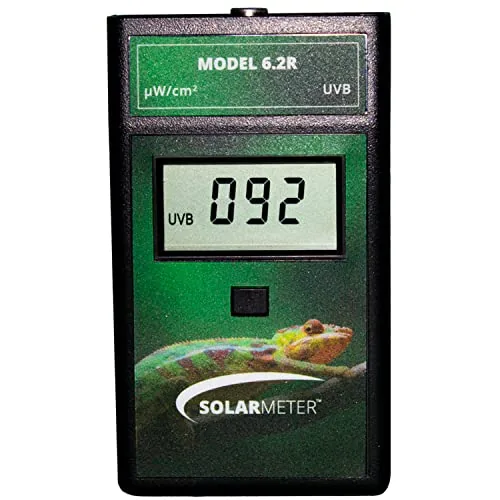
Corn snakes, kingsnakes, and garter snakes spend more time in open, sunlit areas and tend to bask opportunistically, so a Zone 1 setup targeting a UVI of 0.2 to 1.0 at the basking spot fits their wild behavior closely. Ball pythons and many boas stay fossorial or hide under cover for most of the day, and wild UV exposure data for these species runs lower, but they still use UVB when it’s offered inside an enclosure with a hide positioned nearby. Arboreal species like green tree pythons live under a forest canopy that filters sunlight into irregular patches, so dappled, lower-intensity exposure matches their environment better than a direct, high-output bulb. Bulb and fixture output varies more than most keepers expect. Testing with a UV meter across different setups and the output comparisons in the UVB bulb testing guide show that T5 high-output bulbs hold a steadier UVI at 10 to 12 inches than compact or coil bulbs, which spike close to the bulb and drop off fast. Matching bulb type to species activity pattern matters more than just picking the highest-rated wattage.
Setting Up UVB Without Overdoing It
A UVB setup for a snake doesn’t need to mimic a desert lizard tank. The goal is a low, consistent UVI reading at the basking area, verified with a meter rather than guessed from bulb packaging. T5 HO fixtures with a 5.0 or 6% bulb positioned 10 to 12 inches above the basking spot typically land in the 0.3 to 1.0 UVI range that matches Zone 1 behavior. Reflector quality affects this more than most keepers assume, since a cheap reflector can cut usable UVB output nearly in half even with a good bulb installed (the fixture breakdowns in the UVB fixture comparison guide cover which reflector designs actually hold output at distance). Bulbs also degrade in UVB output well before visible light dims, so replacing on a 6 to 12 month schedule based on bulb type matters even if the tank still looks bright. Mount the fixture over the open side of the enclosure near the hide, not centered over substrate the snake rarely visits, so exposure lines up with where the animal actually spends basking time.
What Happens If You Skip UVB
Plenty of snakes have lived full, healthy lives under heat-only setups with dietary D3 supplementation instead of UVB. This route works if dosing stays consistent, since D3 from supplements goes straight into the bloodstream without the self-regulating mechanism that skin synthesis provides. Oversupplementing carries a real risk of hypervitaminosis D, which causes soft tissue calcification over time, while undersupplementing risks the same metabolic bone disease that UVB access helps prevent. The calcium and D3 supplement guide covers how to dose this correctly for keepers who go the no-UVB route. Comparative studies on captive reptile colonies that split animals between UVB-exposed and diet-only groups have found modest but measurable differences in bone density and immune markers favoring the UVB group, even at the low exposure levels relevant to snakes. Skipping UVB isn’t reckless, but it shifts the entire margin for error onto getting supplement dosing right every single feeding, with no built-in buffer if you get it wrong.
Most pet snakes do better with some UVB access, even though the dose they need is far lower than what a bearded dragon or uromastyx requires. A Zone 1 setup, verified with a meter rather than guesswork, covers the vast majority of commonly kept species without risking overexposure. Skipping UVB entirely still works for many keepers, but it removes the safety margin that skin synthesis normally provides and puts all the weight on exact supplement dosing.
Affiliate Disclosure
This post contains affiliate links. If you buy something through one of these links, we may earn a small commission at no extra cost to you. We only recommend products and services we trust. Thank you for supporting this site!