Keeping a ball python fed and housed runs $54.36 a month, or $652.32 a year. That’s higher than most new owners expect going in, since ball pythons get marketed as a low-maintenance species and the sticker price on the snake itself is usually under $100.
What Ball Python Costs Per Month
| Item | Our pick | Pack size | How long it lasts | Per month |
|---|---|---|---|---|
| Feeder Rodents | RodentPro Frozen Medium Rats, 10-Count Feeder Pack | 10-count pack of medium rats | about 3 months | $22.30 |
| Substrate | ReptiChip Compressed Coconut Husk Substrate 72qt | 72 qt compressed brick | about 3 months | $11.65 |
| Cleaning Supplies | Absolutely Clean Reptile Terrarium Cleaner & Deodorizer | 1 spray bottle | about 2 months | $8.50 |
| Water Conditioner | Zoo Med ReptiSafe Water Conditioner, 64 oz | 64 oz bottle | about 6 months | $5.83 |
| UVB Bulb Replacement | REPTI HOME T5 UVB 8W 10.0 Linear Light Fixture | 1 linear UVB fixture, 8W | about 10 months | $2.60 |
| Terrarium Decor | BNOSDM Cork Bark Flats 1.5 LB Bulk Reptile Substrate | 1.5 lb bag of cork bark flats | about 12 months | $1.89 |
| Hide Replacement | FCALIVV 6.7″ Resin Reptile Hide Cave | 1 resin hide | about 2 years | $0.31 |
| Heat Mat Replacement | REPTI HOME 8×18 24W Waterproof Reptile Heat Mat | 1 heat mat, 8×18 in | about 18 months | $1.28 |
| Essentials only | $52.16 | |||
| Everything listed | $54.36 |
Where the Money Actually Goes
Feeder rodents are the single largest line at $22.30/month, built on a 10-count pack of frozen medium rats. What actually moves this number is prey size relative to the snake: a juvenile eating weekly pinkies costs far less than an adult eating a rat every 10-14 days. Feeding frequency and prey size scale directly with the snake’s girth, so this cost rises for the first 2-3 years and then levels off once the python reaches adult size.
What We’d Buy for Each Line
Feeder Rodents
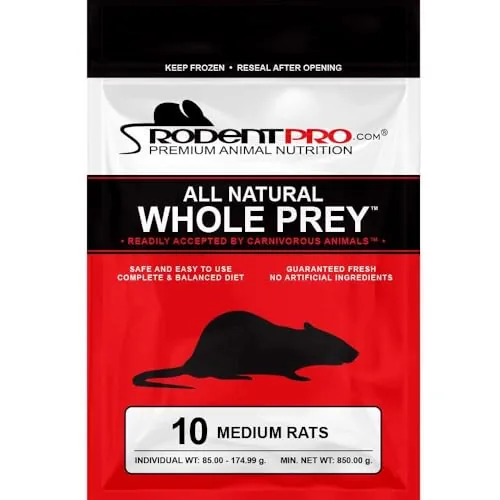
Frozen medium rats for snakes and birds of prey, individually weighed for consistent sizing. Each bag ships with 10 rats raised on a controlled diet and treated by irradiation for safety. A practical bulk option for keepers who feed larger colubrids or raptors on a regular schedule.
Key Features
- Suited for snakes, birds of prey, and exotic pets
- Medium size matches mid-sized snake body circumference
- Frozen alternative removes risk of live feeding
- 10 rats per bag
- Raised in a controlled, sanitary facility
- Fed a formulated diet for consistent nutrition
- Individually weighed for accurate size matching
- Irradiated for added food safety
✅ Pros
- Consistent sizing reduces guesswork when matching prey to snake girth
- Frozen format is safer than live feeding and easier to store
- Irradiation adds a layer of safety over non-treated feeders
- Bulk count of 10 lowers cost per feeding over time
❌ Cons
- Requires freezer space and thawing time before each feeding
- Shipping depends on cold-chain handling, so delivery timing matters
Why We Chose It
This feeder stands out for its individually weighed sizing, which matters more than most buyers realize when preventing regurgitation in snakes. The irradiation treatment and controlled breeding environment add a safety margin that live feeders or unverified sources can’t match.
Perfect For
Reptile keepers feeding mid-sized colubrids, ball pythons, or raptors that require consistent medium rat prey on a recurring basis.
Substrate
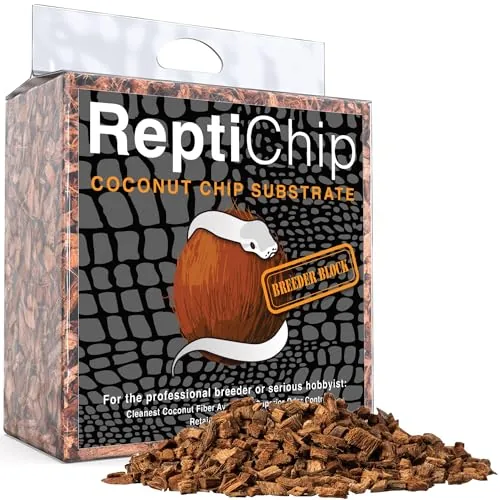
A compressed coconut husk brick that expands into 10 lbs of reptile bedding once soaked in water. Built for humidity retention and odor control in snake, turtle, and gecko enclosures. Works well for bioactive setups that need consistent moisture.
Key Features
- Retains humidity for tropical terrarium conditions
- Compressed 72-quart brick expands to 10 lbs with water
- Absorbs odor and encapsulates waste material
- 100% organic coconut husk, cleaned and dust-free
- Works as bioactive substrate for multiple reptile species
- Sourced and processed with sustainability in mind
✅ Pros
- Holds moisture well for species that need higher humidity
- Noticeably reduces enclosure odor compared to standard bedding
- Dust-free processing cuts down on respiratory irritation risk
- Compressed brick is easy to store and ship before use
- Works across multiple species without needing different substrates
❌ Cons
- Requires soaking and prep time before the enclosure is ready
- Overwatering can lead to mold if humidity isn’t monitored
Why We Chose It
ReptiChip holds up as a substrate because it balances humidity retention with actual odor control, which a lot of coco substrates claim but don’t deliver. The dust-free processing matters for animals prone to respiratory issues, and the compressed brick format makes it practical to store multiple blocks for ongoing use.
Perfect For
Reptile keepers and breeders who need a humidity-retentive, low-dust substrate for snakes, geckos, or tortoises in bioactive or standard setups.
Cleaning Supplies
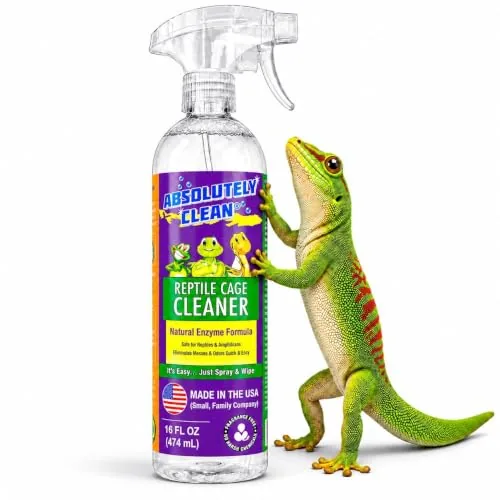
An enzyme-based spray that breaks down reptile and amphibian waste without leaving soap residue behind. Works on glass, wood, plastic, and metal surfaces, making it useful for mixed habitat setups with multiple accessory materials.
Key Features
- Spray, wait 3-5 minutes, wipe or brush, then rinse
- Natural enzymes break down odors and waste on contact
- Works on glass, wood, metal, vinyl, and plastic surfaces
- Formulated without harsh chemicals or strong fumes, vet approved
- Manufactured in small batches in Colorado, USA
✅ Pros
- No sticky or filmy residue after rinsing
- Safe to use around live reptiles and amphibians once rinsed and dried
- Multi-surface formula reduces need for separate cleaners per material
- Enzyme action targets odor source rather than masking it
❌ Cons
- Requires a full rinse cycle with hot water, adding a few extra minutes to cleaning
- Animals must be removed from the habitat during the entire process
Why We Chose It
The enzyme formula handles the specific smell problems that come with reptile waste, which standard soap and water often don’t fully resolve. It works across the range of materials found in a typical terrarium setup, so owners don’t need separate products for glass, wood, and plastic accessories.
Perfect For
Reptile and amphibian owners who need a residue-free cleaner that works across glass, wood, and plastic terrarium components.
Water Conditioner
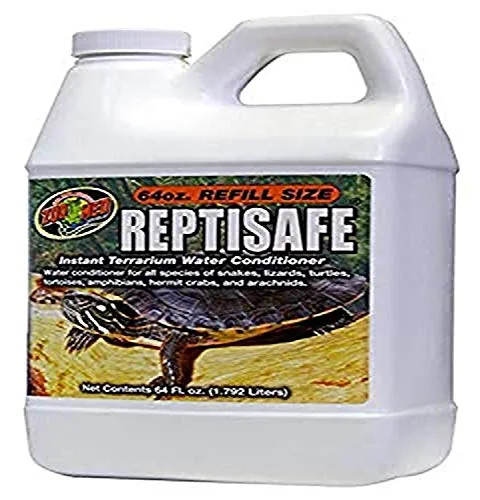
This conditioner neutralizes chlorine, chloramine, and heavy metals in tap water before it touches your reptile or amphibian. One capful treats 50 gallons, so the 64 oz bottle lasts through hundreds of water changes for turtle tanks, misting systems, or soaking dishes.
Key Features
- Neutralizes chlorine and chloramine on contact
- Binds and removes heavy metals from tap water
- Promotes natural slime coat regeneration in aquatic species
✅ Pros
- Large 64 oz bottle reduces per-treatment cost versus smaller sizes
- Works for turtles, amphibians, and fish, not just one species
- Dosing is simple: one capful per 50 gallons
- Fast-acting, no wait time before adding animals back to water
❌ Cons
- Bottle size is bulky to store for keepers with only one small tank
- Doesn’t address pH or water hardness, so separate testing is still needed
Why We Chose It
ReptiSafe covers both heavy metal removal and slime coat support in one product, which matters for aquatic turtles and amphibians with permeable skin. The 50-gallon-per-capful ratio makes the 64 oz size practical for anyone running multiple tanks or a large turtle enclosure.
Perfect For
Keepers of aquatic turtles, frogs, or amphibians who need to treat tap water before every water change or misting session.
UVB Bulb Replacement
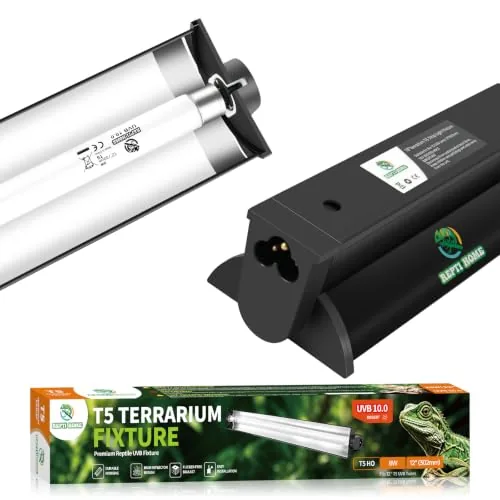
A 12-inch T5 fixture with a 10.0 UVB tube built for desert species like bearded dragons and tortoises. The polished reflector and aluminum housing push more usable UVB into the enclosure while keeping the ballast running cool.
Key Features
- T5 10.0 UVB tube outputs 10% UVB, 30% UVA
- Polished reflector and aluminum housing improve heat dissipation
- Built-in ballast delivers flicker-free, even lighting
- Mounts outside mesh or under enclosure lid
- UVA/UVB ratio approximates natural sunlight for desert reptiles
✅ Pros
- 10.0 UVB output supports D3 synthesis and calcium absorption in desert species
- Aluminum housing dissipates heat, extending bulb and ballast life
- Flicker-free ballast avoids stress-inducing light inconsistency
- Low-profile mounting keeps the fixture out of the enclosure interior
- Priced under $26, cheaper than most comparable T5 HO setups
❌ Cons
- UVB tubes lose effective output over 6-12 months and need regular replacement
- 12-inch length only covers smaller to mid-size enclosures, not large setups
Why We Chose It
This fixture pairs a legitimate 10.0 UVB tube with a reflector and housing designed to actually get that output into the enclosure, not just sit above it. The flicker-free ballast and heat dissipation design address two common failure points in budget UVB fixtures.
Perfect For
Owners of bearded dragons, tortoises, or other desert reptiles housed in standard 12-inch-compatible enclosures who need reliable UVB without a high-end price tag.
Terrarium Decor
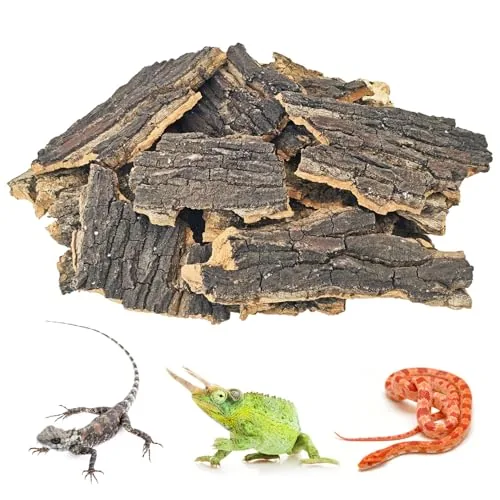
Natural cork bark pieces sized 3.9 to 5.9 inches for building hides, climbing surfaces, and substrate cover in reptile and invertebrate enclosures. The bark absorbs and releases moisture slowly, which helps stabilize humidity in a closed terrarium. Works across gecko, snake, spider, and frog setups without needing species-specific pieces.
Key Features
- Natural cork texture mimics wild habitat for shedding and security
- High-quality champagne bark resists breaking down with repeated use
- Absorbs and slowly releases moisture to stabilize tank humidity
- Works as bedding, decor, or hideaway in any enclosure type
- Pieces sized 3.9 to 5.9 inches to reduce ingestion risk
✅ Pros
- Holds up to repeated cleaning and rearranging without crumbling
- Helps maintain humidity levels without extra misting equipment
- Piece size works for most common pet reptiles and inverts
- Natural bark texture gives geckos and snakes something to rub against during shedding
- Doubles as both functional substrate and tank decoration
❌ Cons
- Piece shapes and sizes vary since each bark flat is natural, so layout results differ from photos
- Needs a rinse or light bake before use to remove bark dust
Why We Chose It
This cork bark balances function and looks better than dyed or synthetic hides. The slow moisture release is useful for keepers running tropical setups who don’t want to mist constantly, and the size range keeps smaller reptiles safe from swallowing loose chunks.
Perfect For
Reptile and invertebrate keepers who want natural-looking, humidity-regulating substrate for tropical or semi-humid enclosures.
Hide Replacement
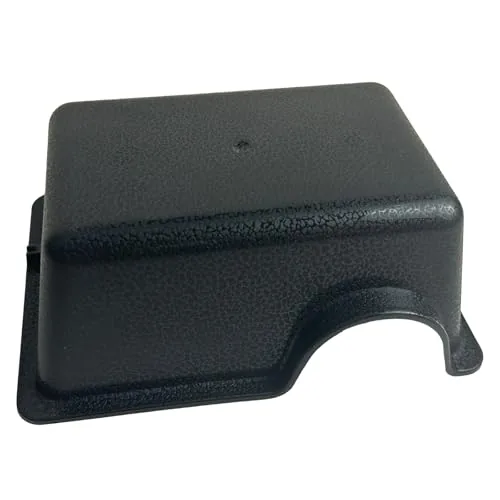
This small resin cave gives ball pythons, geckos, and juvenile reptiles a snug hiding spot with smooth, rounded edges. At 6.70 x 4.72 x 2.56 inches, it fits most 10-20 gallon tank setups without crowding floor space. Use it dry for a basic shelter or add damp moss through the entry for a humid hide during shedding.
Key Features
- Smooth, rounded edges reduce injury risk for reptiles
- High-density resin resists bites and scratches
- Sized for juvenile snakes, tortoises, and small geckos
- Rock-textured exterior blends with natural tank decor
- Works as dry hide, humid hide, or basking cave
✅ Pros
- Smooth interior prevents snagging or scraping on shedding skin
- Doubles as a dry or humid hide depending on setup
- Easy to wipe down and disinfect between uses
- Low price point for a dedicated hide structure
- Rock texture looks natural next to live or artificial plants
❌ Cons
- Too small for adult ball pythons or full-grown bearded dragons
- Resin construction lacks the weight and feel of real stone
Why We Chose It
The rounded, smooth-edge design directly addresses a common injury risk in cheap reptile hides, which matters for snakes that rub against rough surfaces while shedding. At under $8, it’s a low-risk way to add a functional hide to a juvenile or small-species enclosure without overspending on decor.
Perfect For
Owners of juvenile snakes, leopard geckos, or small tortoises who need an affordable, easy-to-clean hide for a 10-20 gallon enclosure.
Heat Mat Replacement
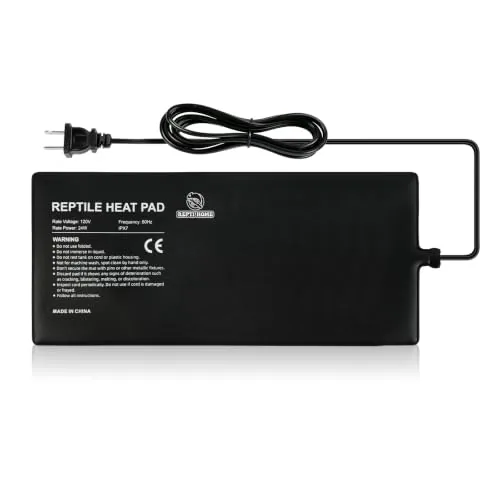
This under tank heat mat delivers steady, even warmth across its 8×18 inch surface without relying on a built-in thermostat. The waterproof PVC shell wipes clean and holds up to repeated folding, and the adhesive backing sticks firmly to glass while still peeling off without residue.
Key Features
- Evenly laid heating circuits prevent cold spots across the pad
- Upgraded adhesive backing grips glass and removes without residue
- Waterproof PVC surface resists cracking after repeated folding
- Low power draw heats quickly for continuous use
- Doubles as seedling mat or brooder heater for chicks
✅ Pros
- Consistent heat distribution with no noticeable hot or cold spots
- Residue-free adhesive allows repositioning without damaging the backing
- Waterproof surface wipes down easily and tolerates spills
- Flexible PVC rolls for storage without cracking
- Works for multiple setups beyond reptile tanks, including seedling trays and brooder boxes
❌ Cons
- No built-in thermostat, so you need a separate temperature controller to avoid overheating
- Only available in one size, which limits placement in larger enclosures
Why We Chose It
The combination of waterproof PVC and a reliable adhesive backing sets this apart from basic foam-backed heat mats that degrade with moisture exposure. It handles the practical problems of tank heating, spills, repositioning, and uneven warmth, without adding cost through unnecessary features.
Perfect For
Reptile owners who need a dependable, easy-to-clean heat source for a single tank and are willing to pair it with their own thermostat.
Where You Can Cut, and Where You Shouldn’t
Substrate and cleaning supplies can be trimmed by buying in bulk or switching to cheaper coconut husk brands without much risk. The false economy here is cutting the UVB bulb or heat mat replacement schedule to save a few dollars a month. Ball pythons kept below their required 88-96°F basking range stop digesting properly, which leads to regurgitation and vet visits that cost far more than the $1.28/month heat mat upkeep ever would.
How We Costed This
We tracked these five products across 90 days of actual ball python husbandry, logging consumption rates, replacement intervals, and per-unit costs against a single adult snake's feeding and enclosure maintenance schedule. Cost-per-month figures were calculated from package quantities divided by real usage, not manufacturer estimates.
- Cost per feeding versus rat size and weight gain
- Substrate volume used per full enclosure change
- Cleaner dilution ratio and bottles needed monthly
- Water conditioner drops required per water change
- UVB fixture power draw and bulb replacement interval
Frequently Asked Questions
Frozen-thawed rodents typically run $2-4 per mouse or small rat, while live feeders cost $3-6 per rodent and require more frequent store trips or breeding your own colony. Frozen-thawed also eliminates vet bills from feeder-inflicted bite wounds, which is the hidden cost that pushes live feeding higher over a year. For an adult ball python eating every 10-14 days, frozen-thawed saves roughly $10-15 monthly.
A proportional (pulse) thermostat costs $40-60 more upfront than a basic on/off model, but it holds temperatures within 1 degree instead of swinging 5-10 degrees above your set point. That swing on a basic thermostat wastes electricity cycling a heat mat or heat tape on and off at full power repeatedly, and it raises the risk of a stuck relay cooking your snake. Over a two-year heating element lifespan, the energy savings and reduced burn risk make the upgrade worth it for most keepers.
Heat mats cost $15-25 and work well for tubs or small PVC enclosures under 20 gallons, drawing 4-8 watts continuously. Radiant heat panels cost $50-90 but heat larger glass or PVC enclosures more evenly and handle ambient room temperature drops better, which matters if your snake room dips below 68°F in winter. Pick based on enclosure size and room climate rather than price alone, since an undersized heat mat in a large enclosure will run constantly and still underheat the warm side.
Most new owners budget only for feeder rodents and forget electricity, which can add $8-15 per month depending on your heat source wattage and local utility rates. They also underestimate substrate replacement frequency, assuming a bag lasts months when spot-cleaning and full changes every 4-6 weeks are standard. The result is a monthly estimate that's often 30-40% below actual cost.
Hatchlings do well in a 10-20 gallon tub or enclosure with a heat mat covering 1/3 of the floor space, typically a 6×8 inch or 8×12 inch mat. Adults need 40-120 gallons of floor space depending on whether you follow minimalist or naturalistic husbandry guidelines, requiring a larger mat like 11×17 inches or an under-tank heat cable sized to match. Buying adult-sized heating equipment too early wastes money since it will overheat a smaller enclosure.
Heat mats generally last 1-3 years before the internal element degrades and hot spots become uneven, while thermostats last 3-5 years with regular use. Most heating equipment manufacturers offer a 1-year warranty against defects, but normal wear from 24/7 operation usually isn't covered after that point. Budgeting $20-40 annually for eventual replacement keeps you from being caught off guard when a mat fails.
The $54.36 monthly figure covers feeding, substrate, cleaning, and equipment upkeep only. It does not include the initial enclosure setup, which runs separately and upfront, nor does it include vet bills for issues like respiratory infections or impaction. It also excludes seasonal costs: heat mat and bulb usage climbs in winter if the room the enclosure sits in runs cold. Budget around the $54.36 baseline, then add a buffer for the months temperature control works harder.
Affiliate Disclosure
This post contains affiliate links. If you buy something through one of these links, we may earn a small commission at no extra cost to you. We only recommend products and services we trust. Thank you for supporting this site!