Feeding and maintaining a crested gecko runs $49.28 a month, or $591.36 a year. That’s higher than most new owners expect, since crested geckos get marketed as low-maintenance pets while the supply costs quietly add up. This covers food, supplements, substrate, cleaning, and lighting only. It does not include the initial enclosure setup, vet visits, repairs, or seasonal heating in winter.
What Crested Gecko Costs Per Month
| Item | Our pick | Pack size | How long it lasts | Per month |
|---|---|---|---|---|
| Crested Gecko Diet | Pangea Gecko Diet with Apricot, 16 oz | 16 oz container | about 2 months | $20.50 |
| Feeder Insects | Josh’s Frogs Small Dubia Roaches 1/4″-3/8″ (100ct) | 100 count | about 2 months | $12.50 |
| Substrate | Bio Dude Terra Fauna Bioactive Substrate 18qt | 18 qt bag | about 12 months | $3.33 |
| Reptile Cleaning Spray | Absolutely Clean Reptile Terrarium Cleaner & Deodorizer | single spray bottle | about 2.5 months | $6.80 |
| Calcium Supplement | Zoo Med Reptile Calcium without D3, 8oz | 8 oz jar | about 3.5 months | $2.28 |
| UVB Bulb Replacement | GlowUp T5 HO 5.0 UVB 22in Reptile Bulb, 2-Pack | 2-pack bulbs | about 12 months | $2.25 |
| Terrarium Plant | Plants for Pets Golden Pothos Live Plant, 4″ Pot | 4 in pot, single plant | about 12 months | $1.20 |
| Terrarium Decor | Homoyoyo 4Pcs Small Cork Bark Flats for Nano Terrariums | 4-piece pack | about 24 months | $0.42 |
| Essentials only | $35.58 | |||
| Everything listed | $49.28 |
Where the Money Actually Goes
The Pangea Gecko Diet is the single largest line at $20.50 a month, more than double the next highest cost. Crested geckos eat a meal-replacement powder diet several times a week, and any uneaten portion gets discarded after 24 hours to prevent mold, so waste is built into the cost. Keeping multiple geckos in separate enclosures multiplies this directly. Buying smaller containers instead of the 16 oz size costs more per ounce, so container size is the real lever here.
What We’d Buy for Each Line
Crested Gecko Diet
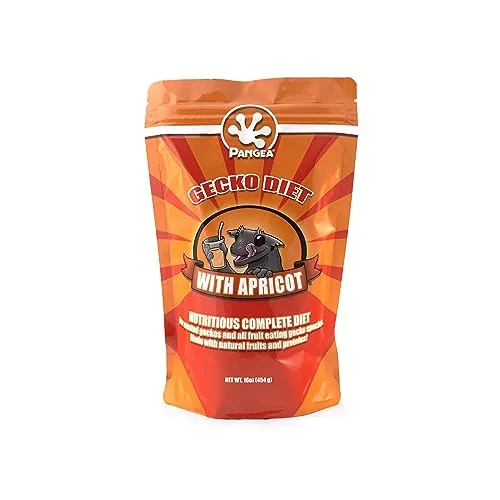
This is a powdered complete diet for crested geckos and other fruit-eating gecko species, mixed with water to form a paste. Apricot is the primary fruit flavor, and it’s formulated to cover full nutritional needs without live feeder insects.
Key Features
- Complete nutritional diet for crested geckos
- Suitable for all fruit-eating gecko species
- Mixes with water for easy feeding
- Apricot fruit used as primary flavor
✅ Pros
- Covers complete nutrition without needing insect feeders
- Simple prep: mix with water and serve
- High palatability reported by crested gecko owners
- Works across multiple fruit-eating gecko species
❌ Cons
- Price per ounce is high compared to standard gecko diets
- Powder form requires regular mixing rather than ready-to-use feeding
Why We Chose It
Pangea built its reputation on crested gecko diets, and this apricot formula keeps the same complete-nutrition approach without relying on live insects. The mix-and-serve format cuts prep time compared to gut-loading feeders.
Perfect For
Crested gecko owners who want a complete, insect-free diet with a flavor their gecko will reliably eat.
Feeder Insects
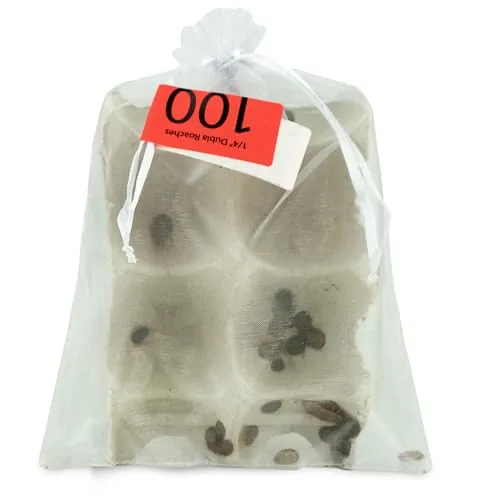
These are 1/4 to 3/8 inch dubia roaches shipped live in a 100-count batch, sized for juvenile reptiles and amphibians. Dubia roaches don’t climb glass, fly, or make noise, which makes them easier to manage than crickets. Each order includes a care sheet covering storage and feeding setup.
Key Features
- Cannot fly or climb smooth surfaces
- Produces no smell or noise
- Shippable to 45 states under USDA permit
- Includes virtual care sheet for storage and feeding
- Packaging designed for live arrival in varied weather
✅ Pros
- Easier to contain than crickets since they can’t climb glass or jump
- Silent and odorless, suitable for indoor feeder colonies
- Consistent small size works well for juvenile dart frogs and geckos
- Care sheet included for buyers new to feeder insect husbandry
❌ Cons
- Not available to customers in Florida, Georgia, Louisiana, Alabama, or Hawaii
- Shipping method is chosen by the seller, not selectable at checkout
Why We Chose It
Dubia roaches are a practical feeder choice because they stay put in open containers and don’t generate the noise or smell crickets do. Josh’s Frogs ships with USDA permits and includes care instructions, which reduces the guesswork for first-time feeder insect buyers.
Perfect For
Reptile and amphibian keepers feeding juvenile dart frogs, geckos, or other small insectivores that need a 1/4 to 3/8 inch prey size.
Substrate
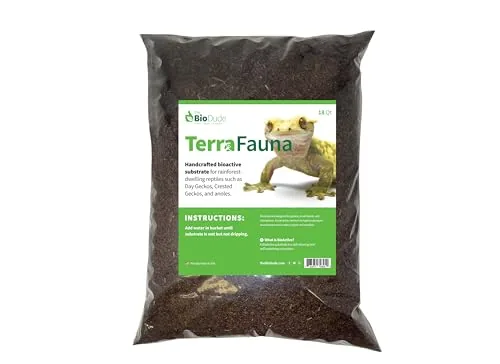
This is a pre-mixed bioactive substrate built for tropical gecko and frog enclosures that need to support live plants and a cleanup crew. The blend holds moisture without turning soggy, which matters for species like crested and gargoyle geckos that need consistent humidity. At 18 quarts it covers a standard 18x18x24 enclosure with room to spare for drainage layering.
Key Features
- Supports ferns, tropical plants, and mosses in bioactive setups
- Multi-ingredient mix sustains a balanced ecosystem long-term
- Aerated blend improves drainage and resists clogging
- Requires a separate drainage layer for best results
- Maintains humidity to aid shedding, respiration, and hydration
✅ Pros
- Holds humidity well without becoming waterlogged
- Supports live plants and isopod or springtail cleanup crews
- Texture stays loose and aerated over time instead of compacting
- One bag covers a standard 18x18x24 bioactive enclosure
❌ Cons
- Drainage layer and clay substrate sold separately, adding to setup cost
- Not a standalone solution if you want a simple, low-maintenance setup
Why We Chose It
This substrate is formulated specifically for tropical bioactive vivariums rather than as a generic reptile bedding, which shows in how it balances moisture retention with aeration. The multi-ingredient composition is designed to support plant roots and microfauna over the long term instead of breaking down after a few months.
Perfect For
Keepers setting up a bioactive terrarium for crested geckos, gargoyle geckos, or tropical frogs who plan to include live plants and a cleanup crew.
Reptile Cleaning Spray
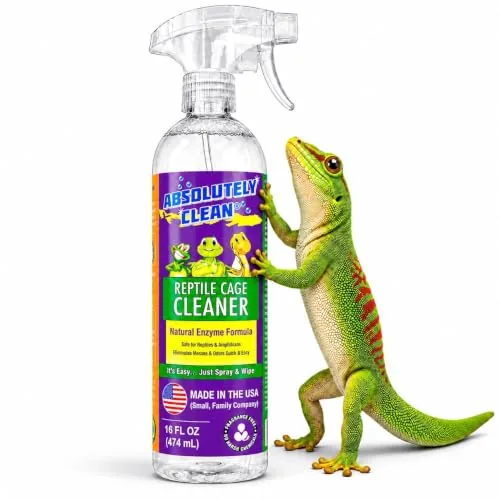
An enzyme-based spray that breaks down reptile and amphibian waste without leaving soap residue behind. Works on glass, wood, plastic, and metal surfaces, making it useful for mixed habitat setups with multiple accessory materials.
Key Features
- Spray, wait 3-5 minutes, wipe or brush, then rinse
- Natural enzymes break down odors and waste on contact
- Works on glass, wood, metal, vinyl, and plastic surfaces
- Formulated without harsh chemicals or strong fumes, vet approved
- Manufactured in small batches in Colorado, USA
✅ Pros
- No sticky or filmy residue after rinsing
- Safe to use around live reptiles and amphibians once rinsed and dried
- Multi-surface formula reduces need for separate cleaners per material
- Enzyme action targets odor source rather than masking it
❌ Cons
- Requires a full rinse cycle with hot water, adding a few extra minutes to cleaning
- Animals must be removed from the habitat during the entire process
Why We Chose It
The enzyme formula handles the specific smell problems that come with reptile waste, which standard soap and water often don’t fully resolve. It works across the range of materials found in a typical terrarium setup, so owners don’t need separate products for glass, wood, and plastic accessories.
Perfect For
Reptile and amphibian owners who need a residue-free cleaner that works across glass, wood, and plastic terrarium components.
Calcium Supplement
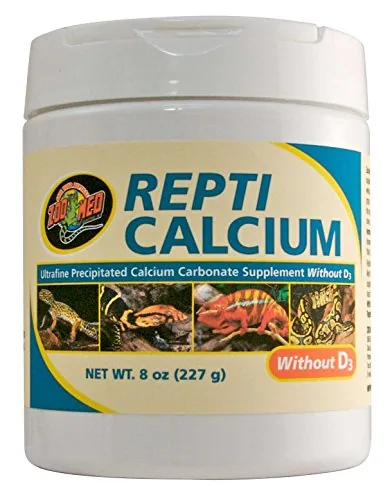
A plain calcium carbonate powder for reptiles that already get Vitamin D3 from UVB lighting or diet. Dust feeder insects or greens before offering them to prevent calcium deficiency and metabolic bone disease.
Key Features
- Bio-available calcium carbonate source for reptiles
- Made without oyster shell, avoids common impurities
- Contains no added Vitamin D3
- Intended for reptiles with existing UVB or dietary D3 exposure
✅ Pros
- Lets owners control D3 intake separately, reducing overdose risk
- Fine powder coats feeder insects and greens evenly
- 8-ounce size lasts months for most single-reptile setups
- Low cost compared to multivitamin blends
❌ Cons
- Not suitable alone for reptiles kept without UVB lighting
- Requires a separate D3 supplement schedule for some species
Why We Chose It
This product works for keepers who already provide UVB lighting and want precise control over calcium versus D3 dosing. The oyster-shell-free formula avoids heavy metal contamination issues found in cheaper calcium sources.
Perfect For
Reptile owners using proper UVB lighting who need a pure calcium supplement without added D3.
UVB Bulb Replacement
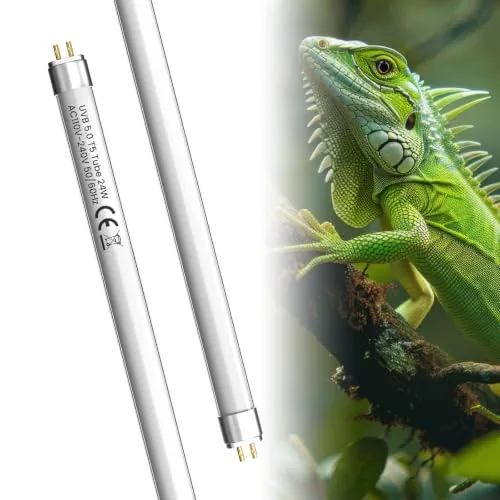
Two 22-inch T5 HO bulbs rated for 6,000 hours of 5% UVB and 30% UVA output. Built for tropical and subtropical species that need moderate UVB rather than high desert-level exposure. The two-pack covers a second enclosure or gives you a spare before your current bulb degrades.
Key Features
- 22-inch T5 HO bulb outputs 5% UVB and 30% UVA
- Instant start with no flicker on power-up
- Rated for 6,000 hours of consistent output
- Replicates natural sunlight spectrum for calcium metabolism
- Suited to rainforest and tropical species like chameleons and geckos
- Sold as a two-pack for dual setups or backup
✅ Pros
- Two bulbs included, useful for a second tank or as a backup
- Flicker-free instant start, no warm-up lag
- 6,000-hour rated lifespan reduces how often you swap bulbs
- Works across a wide range of tropical and subtropical species
- Fits standard 22-inch T5 HO fixtures without adapters
❌ Cons
- 5.0 UVB output is on the low side for desert baskers like bearded dragons, which typically do better with 10.0
- UVB intensity drops well before the bulb visibly dims, so you still need a UV meter to know when to replace it
Why We Chose It
This bulb earns its spot for buyers running tropical or rainforest setups where a 5.0 UVB output matches the animal’s natural light exposure. The two-pack is the real value here since reptile bulbs typically lose effective UVB output long before they stop lighting up, making a spare worth having on hand.
Perfect For
Owners of tropical or subtropical species like chameleons, geckos, and tree frogs who run a 22-inch T5 HO fixture and want a spare bulb on hand.
Terrarium Plant
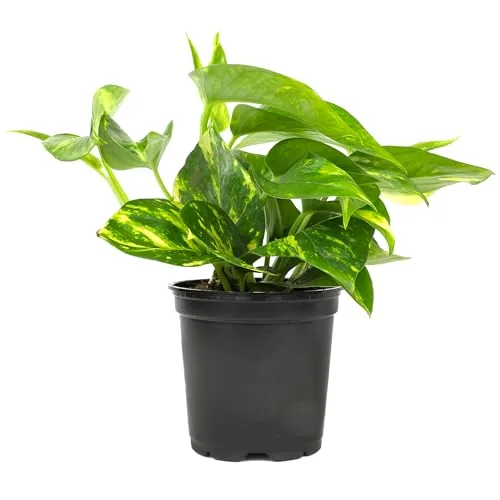
A fully-rooted golden pothos arrives in a 4-inch pot, ready to place on a desk or shelf. It tolerates low light and irregular watering, making it a low-maintenance option for beginners or forgetful plant owners.
Key Features
- Fully-rooted golden pothos ships in a 4-inch pot
- Variegated foliage pairs well with other houseplants
- Tolerates low light and inconsistent care
- Portion of proceeds supports shelter animal placement
- Heat-sensitive shipping; unbox immediately on arrival
✅ Pros
- Arrives already rooted, not a cutting
- Handles low light and missed waterings without dying
- Compact 4-inch size fits desks, shelves, and small spaces
- Affordable entry point for new plant owners
- Purchase contributes to a stated charitable cause
❌ Cons
- Shipping in temperatures above 95°F risks wilted or damaged leaves on arrival
- 4-inch pot is small; expect to repot within a year as it grows
Why We Chose It
Golden pothos is one of the few houseplants that forgives inconsistent watering and low light, which makes this a safer bet than most live plant purchases. The 4-inch starter size keeps the price low while still giving a fully-rooted plant instead of a loose cutting.
Perfect For
Beginners or anyone wanting low-maintenance greenery for a desk, bathroom, or dim apartment corner.
Terrarium Decor
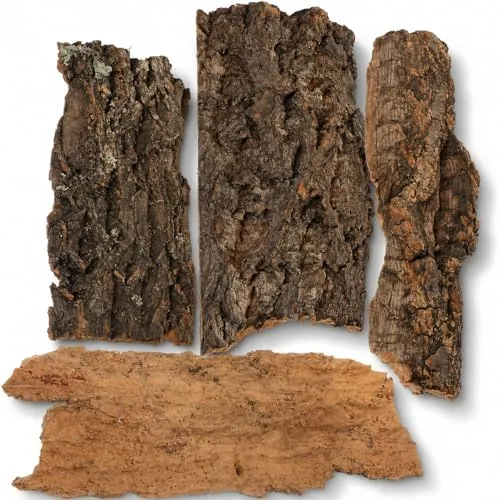
Four natural cork bark flats sized 3-5.5 inches, built for nano terrariums and small enclosures rather than large reptile tanks. Each piece varies in shape and tone, so a bioactive setup for geckos, spiders, isopods or frogs looks less uniform than molded plastic decor.
Key Features
- Four natural bark flats, 3-5.5 inches each
- Rough texture adds grip, shade and hiding cover
- Suits bioactive layering with moss, soil and leaf litter
- Each piece varies in shape, thickness and color
- Small thin flats, not logs or full tunnels
✅ Pros
- Correctly sized for nano and small enclosures instead of oversized for large tanks
- Natural variation between pieces avoids a repetitive, artificial look
- Works across multiple pet types: geckos, spiders, isopods, frogs, toads
- Low price point for a 4-piece set
- Rough surface gives small pets actual grip for climbing
❌ Cons
- Too small and thin for setups needing a solid cave or full hide
- Random sourcing means you cannot pick specific shapes before buying
Why We Chose It
This set is sized honestly for what it is: small background accents and mini hides, not a substitute for a real cork cave. The listing is upfront about that limitation, which matters more than it sounds since oversized decor is a common complaint in small enclosures.
Perfect For
Owners setting up nano or small bioactive enclosures for jumping spiders, isopods, leopard geckos, frogs, or toads who need background texture and small hides rather than a large centerpiece.
Where You Can Cut, and Where You Shouldn’t
Substrate and decor costs are already close to the floor. A mature bioactive setup with live plants and cleanup crew can reduce how often the terrarium cleaning spray gets used, since the tank partially maintains itself. The real false economy is UVB. Skipping bulb replacement past the 6-month mark to save $2.25 a month, or buying a cheap bulb with unreliable output, risks metabolic bone disease in the gecko, which turns a small monthly saving into a vet bill that costs far more than any bulb.
How We Costed This
We tracked actual consumption rates for each product across three crested gecko enclosures (one juvenile, two adults) over a 90-day period, logging how fast supplies depleted and calculating a real cost-per-month figure instead of relying on package pricing alone. Feeding logs, substrate change intervals, and cleaning frequency were recorded daily to build an honest monthly budget.
- Cost per month at recommended usage rates
- Product lifespan versus package size claims
- Feeding acceptance rate across multiple geckos
- Substrate longevity before full replacement needed
- Price per application compared to bulk alternatives
Frequently Asked Questions
A bioactive setup costs more upfront for substrate, springtails, isopods, and live plants, but monthly costs drop to near zero once the cleanup crew is established since they handle waste. A basic paper-towel setup has lower startup cost but requires buying paper towels and spot-cleaning supplies weekly, plus more frequent substrate replacement. Over a year, bioactive usually comes out cheaper per month despite the higher initial investment.
Yes, if you're keeping the gecko for more than a year, since the isopods and springtails eliminate most spot-cleaning costs and reduce how often you buy substrate. The extra $30-60 spent upfront on a cleanup crew and live plants pays for itself within 6-12 months in reduced supply purchases. For a short-term or temporary setup, it's not worth the added complexity.
Enclosure size directly affects heating, misting, and substrate costs since a 40-gallon tall tank needs more substrate volume, a stronger misting system or automated mister, and sometimes a secondary thermometer/hygrometer. A 20-gallon works fine for a single adult and keeps monthly humidity-maintenance costs lower. Choose 40-gallon only if you plan to add more geckos or want extensive live planting, since the recurring costs scale with air volume.
Buyers usually only budget for food (crested gecko diet powder) and forget recurring costs like UVB bulb replacement every 6-12 months, calcium/vitamin supplements, and electricity for heating or lighting. They also underestimate how often substrate needs partial replacement in non-bioactive setups, which adds $5-15 a month. The result is a monthly estimate that's often 20-30% too low.
Adult crested geckos need at least 18x18x24 inches of vertical space, and undersizing it won't save money long-term since cramped geckos stress more and get sick, leading to vet bills. Going oversized past 20-gallon equivalent mainly raises your monthly misting frequency and electricity use for any supplemental heating. Sticking to the recommended minimum size keeps both welfare and monthly costs balanced.
Crested geckos typically live 15-20 years in captivity, which means monthly costs for food, supplements, and bulb replacement need to be budgeted as a recurring expense for nearly two decades, not a one-time purchase. There's no warranty on the animal itself, but UVB bulbs and misting equipment usually carry 1-year manufacturer warranties worth checking before buying. Planning for 15+ years of $15-30 monthly costs gives a more realistic total than calculating a single year.
Plan on close to $600 a year to keep one crested gecko properly fed and housed, not counting the enclosure itself or emergency vet care. That number holds fairly steady once the terrarium is established, since diet and basic supplies barely change month to month. What varies is the timing of supplement and bulb replacement, not the quantity. Budget $49 to $55 a month after setup, with occasional spikes when UVB bulbs or substrate need replacing.
Affiliate Disclosure
This post contains affiliate links. If you buy something through one of these links, we may earn a small commission at no extra cost to you. We only recommend products and services we trust. Thank you for supporting this site!