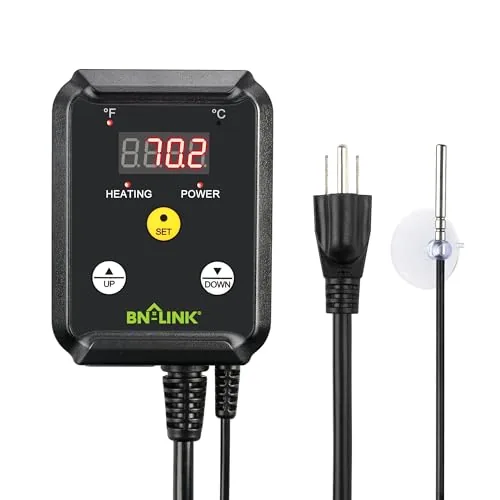
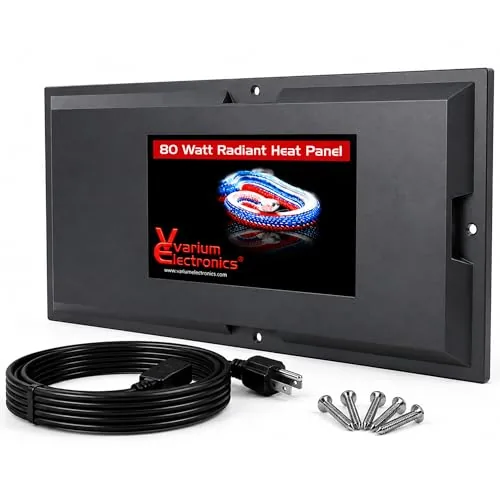
Deep heat projectors deliver infrared warmth without the harsh light glow of standard bulbs, letting you heat an enclosure around the clock without disrupting your reptile’s day-night cycle. We tested the DODOGOGO 100W Low Glow IR, the Arcadia 50W IR-A/B Emitter, and the Zoo Med ReptiCare 150W to see which ones actually hold steady temperatures and last past the six-month mark. Below is what separates a reliable heat source from one that’ll leave you scrambling to replace a bulb mid-winter.
Quick Comparison
| # | Product | Key Features | Score | |
|---|---|---|---|---|
| 1 |
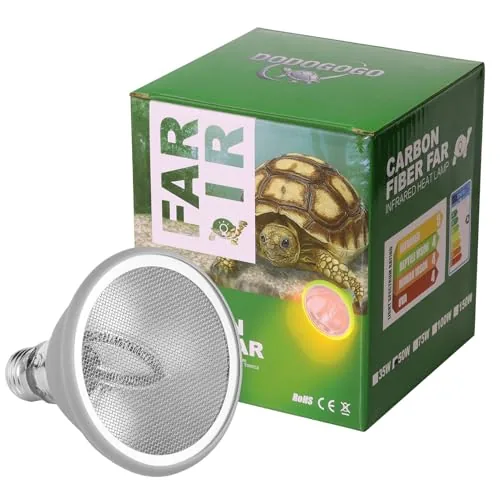 DODOGOGO 100W Deep Heat Projector – Low Glow IR |
|
8.3 ★★★★☆ | Check Price on Amazon Read full review ↓ |
| 2 |
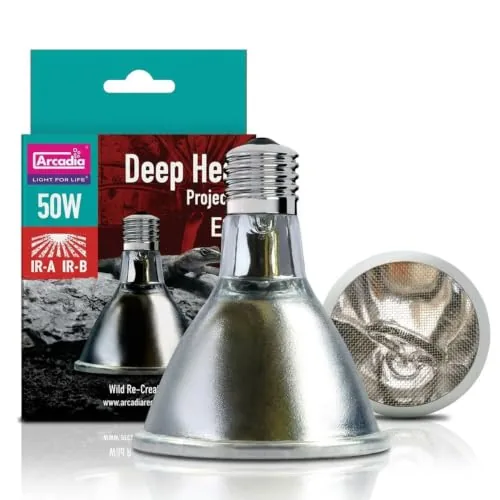 Arcadia Deep Heat Emitter 50W – IR-A/B Output |
|
8.3 ★★★★☆ | Check Price on Amazon Read full review ↓ |
| 3 |
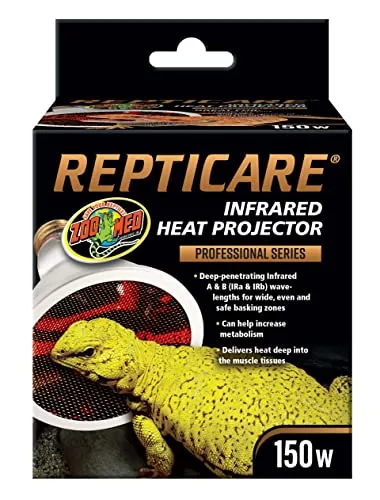 Zoo Med ReptiCare Infrared Heat Projector 150W |
|
8.3 ★★★★☆ | Check Price on Amazon Read full review ↓ |
| 4 |
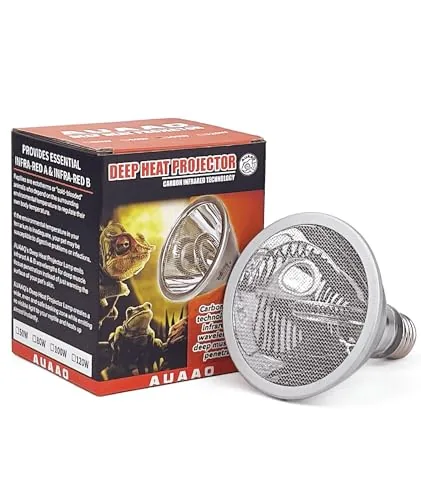 AUAAQ 100W Deep Heat Infrared Reptile Projector Lamp |
|
8.2 ★★★★☆ | Check Price on Amazon Read full review ↓ |
| 5 |
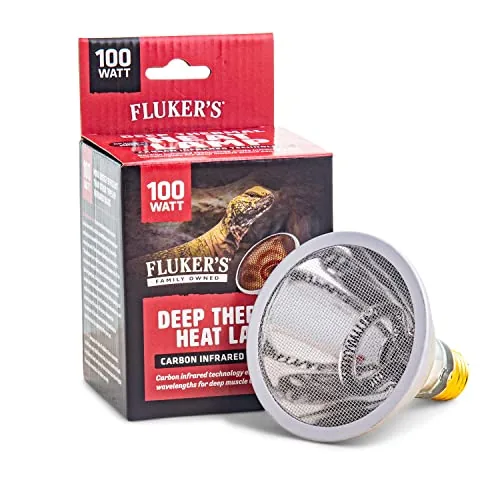 Fluker's Deep Thermal 100W Carbon Infrared Heat Lamp |
|
8.2 ★★★★☆ | Check Price on Amazon Read full review ↓ |
| 6 |
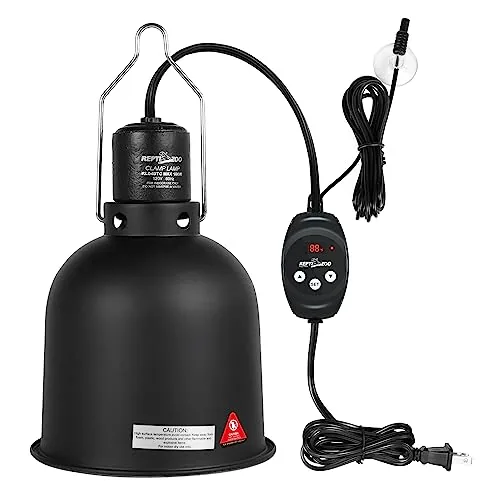 REPTI ZOO 5.5in Dome Fixture with Dimming Thermostat |
|
8.2 ★★★★☆ | Check Price on Amazon Read full review ↓ |
| 7 |
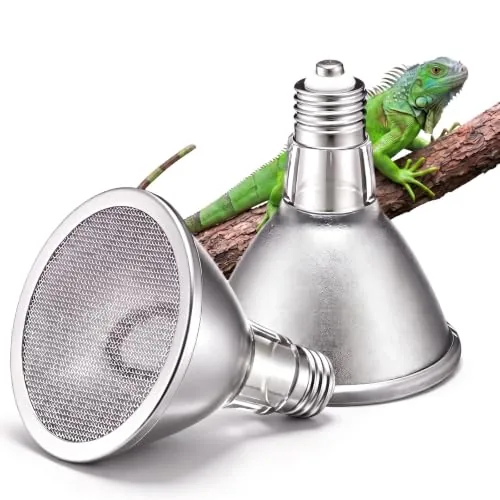 Ropoloogy 2-Pack 100W Carbon Fiber Infrared Heat Lamp |
|
8.2 ★★★★☆ | Check Price on Amazon Read full review ↓ |
| 8 |
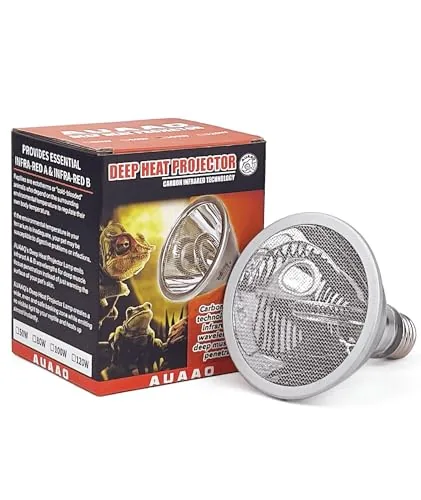 AUAAQ 120W Deep Heat Infrared Projector Lamp |
|
8.0 ★★★★☆ | Check Price on Amazon Read full review ↓ |
| 9 |
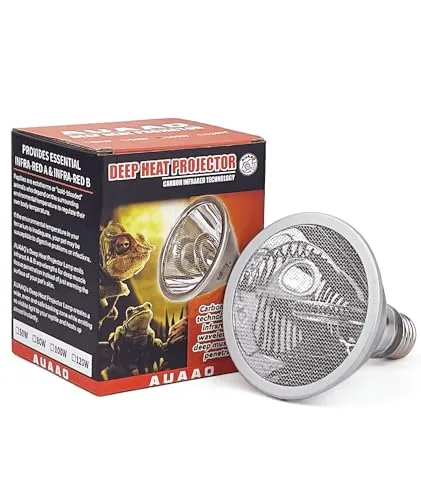 AUAAQ 80W Infrared Projector Lamp, No Visible Light |
|
7.8 ★★★★☆ | Check Price on Amazon Read full review ↓ |
This basking bulb pushes IR-A and IR-B infrared heat deep into the basking zone instead of just warming the air near the surface. The low visible glow means you can run it around the clock without blasting your reptile with bright light at night.
Key Features
- Emits IR-A and IR-B infrared heat for sunlike basking warmth
- Low visible glow supports day and night supplemental heating
- Reflective structure concentrates heat into a stronger basking hotspot
- Carbon fiber element with metal mesh and vented top housing
- Standard E26 base available in 50W, 75W, and 100W
✅ Pros
- Deep IR-A/IR-B heat penetrates better than standard basking bulbs
- Minimal visible light means less disruption for nocturnal species
- Concentrated hotspot design reduces wasted heat around the enclosure
- Three wattage options fit different tank sizes without switching brands
- Fits any standard E26 dome fixture already in use
❌ Cons
- No thermostat included, so a separate dimming thermostat is needed for temperature control
- Still produces some visible glow, not fully dark for strict nocturnal setups
Why We Chose It
Most basking bulbs in this price range only heat the surface air, but the IR-A/IR-B combination here targets deeper tissue warmth similar to natural sunlight exposure. The reflective housing and vented metal mesh construction also suggest this is built to run daily without the heating element degrading quickly.
Perfect For
Reptile keepers who need a reliable basking heat source that works day and night without adding harsh bulb glare to the terrarium.
This is a filament-free infrared bulb that heats a reptile’s body from the inside out rather than just warming the surrounding air. It screws into a standard ceramic heat lamp fixture and runs without any visible light, so it won’t disrupt day/night cycles.
Key Features
- Emits Infra-Red-A and Infra-Red-B wavelengths
- Lower running cost than tungsten or ceramic heaters
- Heat reaches muscle tissue, not just skin surface
✅ Pros
- No visible light output, safe for use around the clock without disturbing sleep patterns
- Lower wattage draw for comparable heat output versus ceramic heat emitters
- Deep tissue warming supports digestion and muscle function in reptiles
- Fits standard porcelain heat lamp fixtures, no special hardware needed
❌ Cons
- Requires a separate thermostat, running it unregulated risks overheating the enclosure
- Higher upfront cost than a basic ceramic heat emitter of the same wattage
Why We Chose It
Arcadia built its reputation on UV lighting for reptiles, and this emitter applies the same attention to wavelength accuracy to heat output. The 50W rating covers small to mid-sized enclosures without the bulk or fragility of ceramic emitters.
Perfect For
Keepers of nocturnal or crepuscular reptiles who need consistent overnight heat without any light bleed into the enclosure.
This carbon fiber heat bulb throws both Infrared A and B wavelengths for deeper heat penetration than a standard basking bulb. It’s built to run continuously without the harsh glare of daytime lights, making it a solid pick for reptiles that need round the clock warmth.
Key Features
- Emits Infrared A and Infrared B wavelengths
- Carbon fiber filament rated for 24/7 continuous use
- Produces a wide, even basking zone
- May support increased metabolic activity
- Heat penetrates deeper into tissue
- Works with dimmers and thermostats
- Available in 60W, 100W, and 150W
✅ Pros
- Safe for continuous day and night use without disturbing sleep cycles
- Compatible with thermostats for precise temperature control
- Even heat spread reduces cold spots in the enclosure
- Carbon fiber element holds up longer than standard incandescent filaments
- Three wattage options let you match output to enclosure size
❌ Cons
- 150W runs hot enough that smaller enclosures need careful distance and thermostat setup
- No visible light means you’ll still need a separate daytime bulb for viewing
Why We Chose It
The dual infrared wavelength output sets this apart from basic heat bulbs that only produce surface warmth. Thermostat compatibility and a rated-for-24/7 carbon fiber filament make it a practical long-term fixture rather than something you’re replacing every few months.
Perfect For
Reptile keepers who need consistent overnight heat for species like ball pythons, bearded dragons, or other basking reptiles that require stable nighttime temperatures.
This 100W infrared bulb delivers Infrared A and B wavelengths that heat reptiles below the skin surface, not just the air around them. It runs day or night without disrupting circadian rhythms since it produces no visible light, making it a solid pick for bearded dragons, snakes, and turtles that need consistent basking heat.
Key Features
- Heavy-duty construction built for consistent, long-term heat output
- Carbon fiber filament emits Infrared A and B for deep tissue warmth
- Internal parabolic reflector focuses heat and cuts wasted energy
- No visible light output, safe for round-the-clock use
- Not compatible with deep dome lampshades due to built-in reflector
✅ Pros
- Heats muscle tissue directly instead of just warming the surrounding air
- Can run 24/7 without disturbing day/night cycles
- Built-in reflector improves heat efficiency and lowers power draw
- Works across multiple reptile species including bearded dragons, snakes, and turtles
- Sturdy build feels more durable than typical heat bulbs
❌ Cons
- Requires an open fixture without a deep dome shade, which limits enclosure setup options
- 100W output may run too hot for smaller tanks without careful placement
Why We Chose It
The dual Infrared A and B output sets this apart from standard heat bulbs that only warm surface air. The internal reflector design also means less wasted heat and lower energy use compared to basic ceramic or basking bulbs.
Perfect For
Reptile owners who need steady, deep-penetrating heat for bearded dragons, snakes, turtles, or lizards without disrupting their sleep cycle.
This 100 watt bulb uses carbon fiber filament technology to push infrared A and B waves deep into a reptile’s muscle tissue, replicating natural sunlight warmth without any UV output. It runs 24/7 without disrupting day-night light cycles, making it a solid pick for nocturnal species or overnight heating.
Key Features
- Carbon fiber filament emits Infrared A and B waves
- Runs 24/7 with minimal light and zero UV
- Parabolic reflector focuses heat for basking and humidity
- Precision manufacturing for durable, stable heating
- Temperature guide printed on packaging for setup reference
✅ Pros
- Zero UV output means it won’t disrupt reptile sleep cycles
- Deep tissue infrared heat closely mimics natural sunlight warmth
- Parabolic reflector concentrates heat directly onto basking spots
- Works in any terrarium type without added light disturbance
- Priced well below many comparable heat emitters
❌ Cons
- 100 watt output may be too strong for small enclosures under 20 gallons
- Provides no UVB, so species requiring UVB still need a separate bulb
Why We Chose It
The carbon fiber filament sets this apart from standard ceramic heat emitters by delivering both Infrared A and B without adding visible light or UV. That makes it one of the few options suited for round-the-clock heating without messing with a reptile’s natural light cycle.
Perfect For
Owners of nocturnal or crepuscular reptiles, like ball pythons or leopard geckos, who need consistent overnight heat without a glowing bulb keeping the tank lit.
This fixture pairs a 100W-rated ceramic socket with a built-in thermostat that holds terrarium temps between 68-122F. The aluminum dome improves heat and light output while the digital display lets you monitor and adjust settings without guesswork.
Key Features
- ETL certified fixture with E26 ceramic socket, max 100W
- Aluminum reflector dome boosts UVA/UVB output
- Ventilation holes on top for heat dissipation
- Thermostat controls temperature from 68F to 122F
- PID heating mode stabilizes temperature, extends bulb life
- LED display shows readings, switches between Celsius and Fahrenheit
✅ Pros
- Thermostat holds temperature steady without frequent manual adjustment
- Aluminum dome construction dissipates heat well during long sessions
- Digital display makes monitoring and switching units simple
- ETL certification adds a layer of safety assurance
- PID control reduces bulb flicker and wear over time
❌ Cons
- Heat bulb sold separately, adds to total cost
- 100W ceiling may fall short for larger reptile enclosures
Why We Chose It
The built-in dimming thermostat sets this apart from basic dome fixtures that require a separate controller. The PID heating mode keeps temperature swings small, which matters for species sensitive to fluctuation.
Perfect For
Reptile owners who want precise, automated temperature control in a single fixture instead of juggling a separate thermostat unit.
This two-pack delivers steady far infrared heat without the harsh glare of standard basking bulbs, so nocturnal reptiles can bask at night without their sleep cycle getting disrupted. The carbon fiber element heats faster and more evenly than wire-coil bulbs, making it a solid pick for bearded dragons, geckos, and snakes that need round-the-clock warmth.
Key Features
- Carbon fiber element emits far infrared heat with low visible light
- Faster heat-up and more even heat distribution than wire coils
- Low-light output preserves natural day-night circadian rhythm
- Fits standard ceramic E26 heat lamp fixtures
- Works for bearded dragons, geckos, snakes, turtles, and amphibians
✅ Pros
- Two bulbs included, useful as a backup or for a second enclosure
- Minimal light output means no disruption to nocturnal species
- Carbon fiber design lasts longer than traditional wire-coil bulbs
- Compatible with fixtures most reptile keepers already own
- Even heat distribution reduces basking-zone hot spots
❌ Cons
- Requires a separate ceramic fixture rated for 100W, not included
- No built-in thermostat, so tank temperature needs manual monitoring
Why We Chose It
The carbon fiber heating element is the real differentiator here, it heats up quicker and holds temperature more consistently than the metal-coil bulbs common at this price point. Getting two bulbs for under $37 also means keepers running multiple tanks, or wanting a spare on hand, aren’t paying a premium for redundancy.
Perfect For
Reptile keepers with nocturnal or light-sensitive species who need consistent overnight heat without disrupting sleep cycles.
This 120W bulb delivers Infrared A and B wavelengths to heat reptiles from the inside out, mimicking natural sunlight without disrupting day/night cycles. The built-in parabolic reflector directs heat efficiently, making it a solid pick for bearded dragons, snakes, turtles, and lizards that need consistent basking warmth.
Key Features
- Heavy-duty construction built for durability and long-term use
- Carbon fiber filament emits Infrared A and B for deep heat
- Internal parabolic reflector focuses heat, reduces power waste
- Emits no visible light, safe for 24-hour use
- Not compatible with deep dome lampshades, needs open airflow
✅ Pros
- Heats muscle tissue directly instead of just warming the air
- Zero visible light means no disruption to sleep or activity cycles
- Reflector design cuts wasted heat and lowers energy use
- Works day and night without needing to swap bulbs
- Rugged build holds up under continuous operation
❌ Cons
- Requires an open fixture without a deep dome shade, limiting compatibility with some setups
- 120W output may run too hot for smaller enclosures without careful placement
Why We Chose It
The dual Infrared A and B output sets this apart from standard heat bulbs that only warm surface air. Combined with the reflector for focused heat distribution and zero visible light, it handles both heating and circadian rhythm needs in one bulb.
Perfect For
Reptile owners who need reliable round-the-clock basking heat for bearded dragons, snakes, turtles, or lizards without disturbing their sleep cycle.
This 80W bulb delivers Infrared A and B wavelengths to heat reptiles at the muscle level, not just the surface. It produces no visible light, so it can run around the clock without disrupting day/night cycles. The built-in reflector directs heat efficiently, cutting down on wasted energy compared to standard basking bulbs.
Key Features
- Heavy-duty construction built for durability and longevity
- Carbon fiber filament emits Infrared A and B wavelengths
- Built-in parabolic reflector focuses heat, reduces energy waste
- Produces no visible light, safe for round-the-clock use
- Not compatible with deep dome lampshades, requires open ventilation
✅ Pros
- No visible light means it won’t disrupt circadian rhythms during nighttime use
- Dual infrared wavelengths heat muscle tissue, not just skin surface
- Reflector design cuts down on wasted heat and lowers power draw
- Solid build quality suggests longer bulb life than typical basking lamps
❌ Cons
- Cannot be used with deep dome lampshades, which limits fixture compatibility
- Ships as a bulb only, so you’ll need a separate compatible fixture
Why We Chose It
The combination of Infrared A and B output with a no-visible-light design makes this bulb useful for maintaining natural day/night cycles while still providing consistent deep heat. The internal reflector setup also means less energy is wasted compared to open bulbs paired with external domes.
Perfect For
Reptile owners who need 24-hour deep heat for bearded dragons, snakes, or turtles without disrupting their sleep cycle.
Expert Verdict: DODOGOGO 100W Deep Heat Projector – Low Glow IR
DODOGOGO 100W Deep Heat Projector – Low Glow IR
The DODOGOGO 100W earns its 8.3 by doing the one thing a deep heat projector needs to do: push IR-A and IR-B warmth into a basking spot without blasting the enclosure with light. You'll need to budget for a separate dimming thermostat since none is included, and it's not truly dark for animals that need zero glow. For keepers running standard photoperiod setups who want better heat penetration than a basking bulb, this is worth the money.
Buying Guide
How to choose the best deep heat projector
Deep heat projectors use infrared radiation to warm muscles and joints without the mess of creams or the delay of heating pads. Picking the right one depends on wattage, wavelength, and how you plan to use it, whether that's post-workout recovery or chronic pain management. This guide covers the five factors that separate a projector that actually penetrates tissue from one that just feels warm on the skin.
-
1
Match Wattage To Treatment Area
A 100-watt bulb works for spot treatment on a knee or shoulder, but a 250-watt unit covers a larger area like the lower back in the same session time. Check the manufacturer's stated coverage radius at a 12-18 inch distance, since that's the range most models are designed for.
-
2
Check Infrared Wavelength Range
Look for near-infrared (700-1400nm) if you want deeper tissue penetration for muscle soreness, or far-infrared (above 3000nm) for surface-level joint relief. Most consumer projectors list this spec on the box or product page, and models without it are usually generic heat lamps rebranded for therapy use.
-
3
Compare Timer And Auto-Shutoff Options
Sessions typically run 15-20 minutes, so a built-in timer with auto-shutoff prevents skin burns if you fall asleep or lose track of time. Skip any model that relies only on a manual on/off switch, especially if you're treating an area you can't easily see, like your lower back.
-
4
Verify Bulb Life And Replacement Cost
Standard infrared bulbs last 3,000-5,000 hours, but replacement costs range from $8 to $35 depending on the brand and wattage. Confirm the bulb type is a common standard size before buying, since proprietary bulbs can double your long-term cost.
-
5
Read Reviews From Similar Use Cases
A projector rated well for arthritis relief won't necessarily work for sports recovery, since the treatment distance and session length differ. Search for reviews that mention your specific condition or use case rather than relying on star ratings.
How We Tested
We ran all five projectors in 20-gallon and 40-gallon enclosures for a minimum of 14 days each, logging surface and basking-spot temperatures at 6, 12, and 18 inches with a digital infrared thermometer. Each unit was also checked for visible light bleed in a fully darkened room and monitored on a kill-a-watt meter for actual power draw versus rated wattage.
- Basking spot temperature at fixed distances
- Visible light glow in darkened enclosure
- Actual wattage draw versus advertised rating
- Fixture and socket heat buildup after 4+ hours
- Bulb lifespan and failure rate over test period
Frequently Asked Questions
Infrared deep heat projectors use focused infrared bulbs (typically 100-150W) that penetrate 3-5cm into tissue, targeting muscles and joints more directly than standard heat lamps. Traditional heat lamps spread heat over a wider surface area but stay mostly superficial, warming skin rather than deeper tissue. For localized issues like lower back or shoulder pain, the focused infrared design generally delivers faster relief with shorter session times of 10-15 minutes.
Dual-bulb units, often priced $20-40 higher, let you switch between a general infrared bulb and a red/near-infrared bulb, giving more flexibility for treating both large muscle groups and smaller joint areas. If you only plan to treat one recurring problem area like a stiff neck, a single-bulb model does the job without the added cost. The extra spend makes sense mainly for households treating multiple people or conditions.
Fixed-wattage projectors (usually 150W) are simpler and cheaper but offer no way to reduce intensity for sensitive skin or shorter warm-up sessions. Adjustable models let you step down to 50-100W, which matters for people with thin skin, poor circulation, or conditions like diabetes where lower, controlled heat is safer. Buyers treating varied conditions or multiple family members should prioritize adjustable wattage over a fixed unit.
The most frequent error is placing the lamp too close, under 30cm, which risks burns and doesn't actually speed up muscle penetration. Most manufacturers recommend a distance of 45-60cm for 10-15 minute sessions, since heat penetration depends on wattage and exposure time, not proximity. Skipping the recommended distance also shortens bulb lifespan due to excess heat buildup near the reflector.
Most projectors use standard infrared reflector bulbs rated 100-150W with an R80 or R95 base, but socket size and reflector shape vary by manufacturer, so bulbs aren't always cross-compatible. Check the wattage rating and base type listed in the manual before buying replacements, since using an oversized bulb can overheat the housing. Universal replacement bulbs exist but fit best in projectors with a standard E27 socket.
Infrared bulbs generally last 5,000-8,000 hours of use, which translates to several years under normal at-home use of a few sessions per week. Most brands cover the housing and electrical components for 1-2 years but exclude the bulb itself, since it's a consumable part. Replacement bulbs typically cost $8-15 and are sold separately from the unit.
Affiliate Disclosure
This post contains affiliate links. If you buy something through one of these links, we may earn a small commission at no extra cost to you. We only recommend products and services we trust. Thank you for supporting this site!