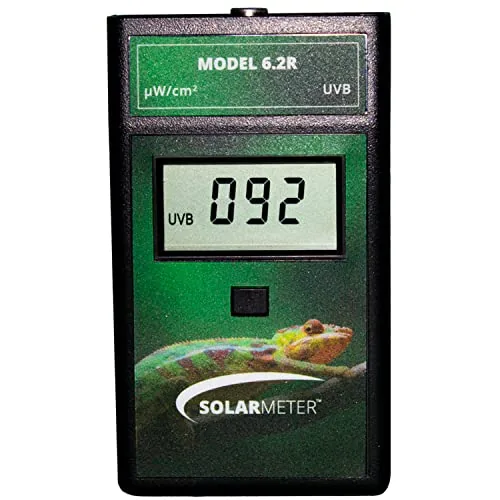
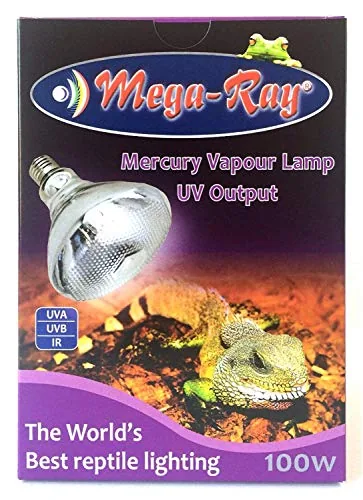
Reptiles need consistent light and heat cycles, and a timer that fails or resets during a power blip can throw off basking schedules for days. We tested the REPTITRIP Dual-Socket Reptile Thermostat with Day-Night Timer, BN-LINK’s 24-Hour Mechanical Timer Outlet, and their 7-Day Digital Timer Outlet 2-Pack to find out which ones hold accurate cycles under real terrarium conditions. Below are the three that earned a spot in our setups, along with who each one fits best.
Quick Comparison
| # | Product | Key Features | Score | |
|---|---|---|---|---|
| 1 |
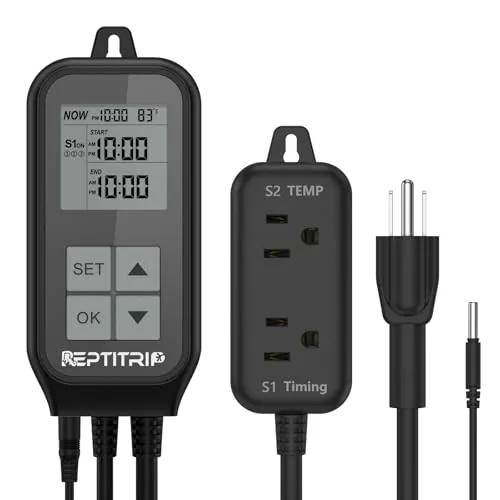 REPTITRIP Dual-Socket Reptile Thermostat with Day-Night Timer |
|
8.3 ★★★★☆ | Check Price on Amazon Read full review ↓ |
| 2 |
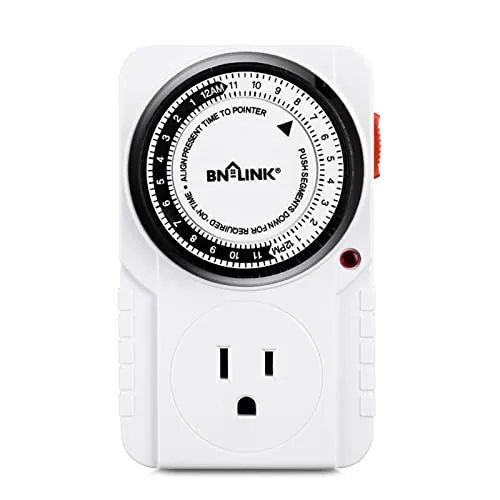 BN-LINK 24-Hour Mechanical Timer Outlet, 3-Prong |
|
8.3 ★★★★☆ | Check Price on Amazon Read full review ↓ |
| 3 |
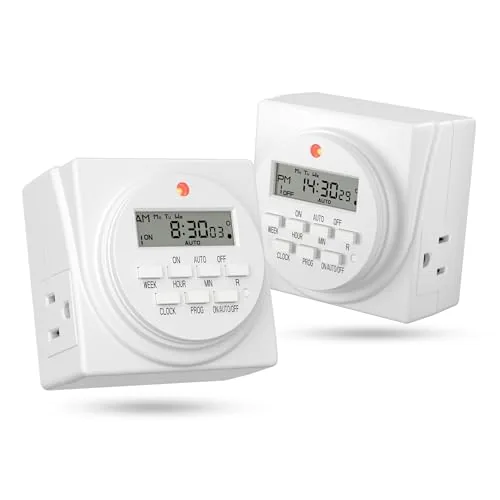 BN-LINK 7-Day Digital Timer Outlet, 2-Pack (2 Outlets Each) |
|
8.2 ★★★★☆ | Check Price on Amazon Read full review ↓ |
| 4 |
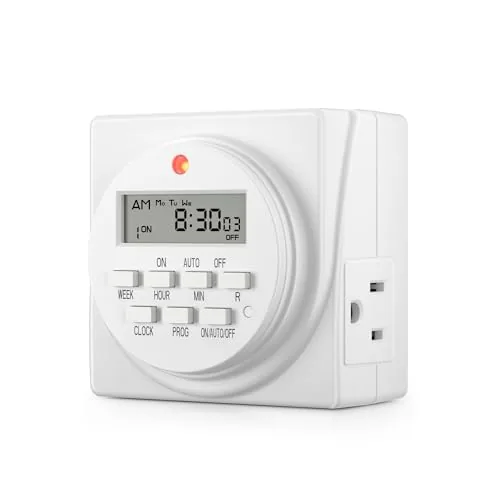 BN-LINK 7-Day Digital Timer Outlet, 2-Outlet |
|
8.0 ★★★★☆ | Check Price on Amazon Read full review ↓ |
| 5 |
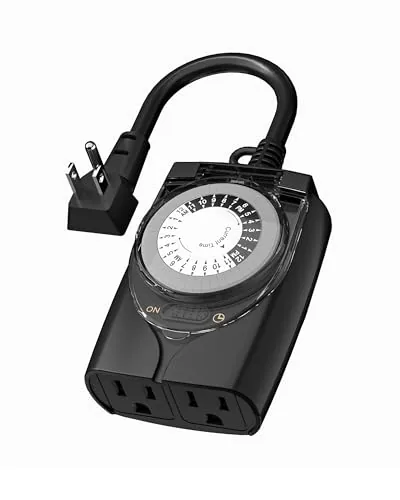 HBN Mechanical Outdoor Timer Outlet, 2-Outlet Waterproof |
|
7.8 ★★★★☆ | Check Price on Amazon Read full review ↓ |
| 6 |
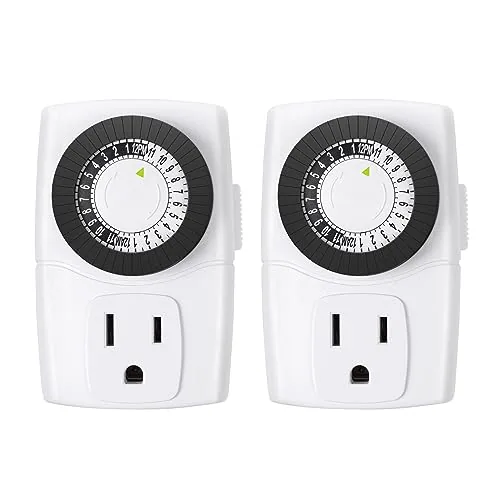 BN-LINK U47 Mechanical Outlet Timer, 2-Pack |
|
7.8 ★★★★☆ | Check Price on Amazon Read full review ↓ |
| 7 |
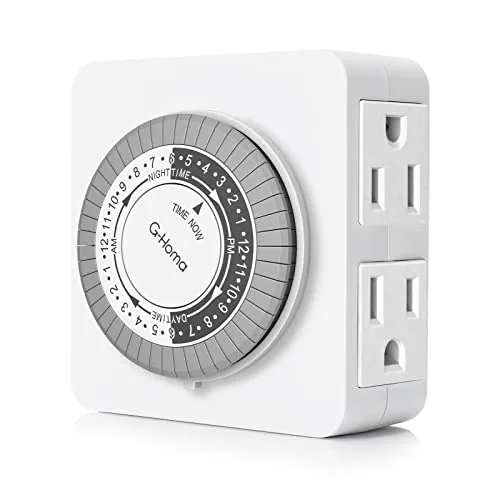 G-Homa 24-Hour Mechanical Timer Outlet, 2 Grounded Outlets |
|
7.5 ★★★★☆ | Check Price on Amazon Read full review ↓ |
| 8 |
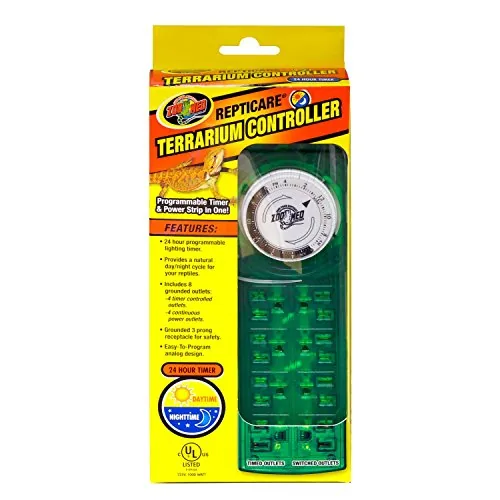 Zoo Med Repticare Analog Terrarium Timer Controller |
|
7.2 ★★★★☆ | Check Price on Amazon Read full review ↓ |
This thermostat splits control into two independent sockets: one for scheduled lighting, one for temperature-based heating. It handles day/night temperature differentiation automatically, which matters for reptiles that need distinct thermal cycles to stay healthy.
Key Features
- S1 socket runs on a timer, S2 runs on temperature
- Two sockets operate independently for lighting and heating
- Three customizable timer programs, accessed via long-press SET
- Day/night temperature mode adjustable from 32 to 140°F
- Rated for heating only, not compatible with cooling devices
- Handles up to 1250W and 10A with replaceable sensor
- Sensor accuracy of ±2°F with 500ms refresh rate
✅ Pros
- Independent dual-socket setup separates lighting schedules from temperature control
- Day/night temperature differentiation supports natural reptile activity cycles
- 1250W/10A capacity covers most heat lamps, UVB bulbs, and heating pads
- Replaceable temperature sensor avoids replacing the whole unit if it fails
- Three timer programs allow flexible lighting schedules without extra hardware
❌ Cons
- Heating control only, no cooling function for overheated enclosures
- Sensor’s ±2°F margin may be too loose for species needing tight thermal precision
Why We Chose It
The split between a timed socket and a temperature-controlled socket solves a real problem: most single-function thermostats force you to choose between lighting schedules and heat regulation. Running both simultaneously through one unit simplifies enclosure setup for anyone keeping reptiles with distinct day/night thermal needs.
Perfect For
Reptile and amphibian keepers who need separate, automated control over lighting schedules and day/night temperature ranges in a single enclosure.
A basic mechanical outlet timer that uses push-pin dials instead of removable pins, so you won’t lose parts over time. Set it up for lamps, fans, or grow lights in under a minute, with 15-minute precision across a full 24-hour cycle.
Key Features
- Built-in pin dial replaces removable pins for on/off settings
- Automates small appliances like fans, lamps, and grow lights
- Runs on a repeating 24-hour on/off cycle
- 15-minute intervals per pin, up to 96 programs daily
- ETL listed, rated 125VAC 60Hz 1875W 15A
✅ Pros
- No small pins to lose or misplace
- Simple push-down mechanism requires no manual or app
- 15-minute scheduling precision covers most household use cases
- ETL safety certification for grounded 3-prong use
- Costs under $10
❌ Cons
- Mechanical dial resets if unplugged, unlike digital timers with memory
- Bulky housing may block the second outlet on a duplex receptacle
Why We Chose It
This timer solves the common complaint about pin-style timers losing their tabs. The built-in dial keeps everything attached while still giving 15-minute scheduling control across a full day.
Perfect For
Anyone automating lamps, fans, or grow lights on a daily schedule without wanting to deal with an app or programmable display.
Two programmable outlet timers that handle up to 8 on/off cycles per day across two grounded plugs each. Useful for lights, coffee makers, fans, or anything you want on a schedule without manual switching.
Key Features
- Programs up to 8 on/off cycles per outlet pair
- Set custom days or use preset day combinations
- One-button Daylight Savings adjustment, battery backup retains settings
- Random vacation mode varies on/off times to simulate occupancy
- ETL listed, rated 120V 60Hz 15A/1725W with LED status indicator
✅ Pros
- Two full timers in one purchase for under $24
- Minimum program interval of one minute allows precise scheduling
- Backup battery preserves programs during power outages
- Vacation mode randomizes timing to deter break-ins
- ETL safety certification and clear LED on/off indicator
❌ Cons
- Two outlets on each timer are controlled together, not independently
- Bulky plug design may block adjacent outlets on a power strip
Why We Chose It
This timer covers the basics without overcomplicating the interface: physical buttons, a simple digital display, and enough programs (8 per day) for most household routines. The battery backup and Daylight Savings button solve two common complaints with cheaper timers that lose settings or need manual resets twice a year.
Perfect For
Anyone automating lights, coffee makers, or fans on a repeating schedule, or wanting a low-cost way to make an empty house look occupied while traveling.
This programmable timer handles up to 8 on/off schedules a day across two grounded outlets, with a battery backup that holds settings through power outages. At $12.99, it covers basic scheduling needs for lights, fans, or coffee makers without any app or hub required.
Key Features
- Up to 8 on/off programs per day, both outlets synced
- Custom day selection or pre-set day combinations, one-button DST switch
- Random vacation mode simulates occupancy while away
- Reduces electricity use on lights, coffee makers, fans
- ETL listed, rated 120V 60Hz 15A/1725W
✅ Pros
- Backup battery retains programming during power outages
- Vacation mode adds randomness for home security
- Simple button interface, no app or wifi setup needed
- Handles up to 15A/1725W, enough for small appliances
- Low price for a 7-day programmable timer
❌ Cons
- Both outlets run on the same schedule, no independent control
- No smartphone app for remote adjustments
Why We Chose It
It covers the core need of a programmable outlet timer without added complexity or subscription apps. The battery backup and vacation mode are features often missing at this price point.
Perfect For
Anyone wanting a straightforward, offline timer to automate lights or small appliances on a schedule or while traveling.
This mechanical timer lets you set up to 24 on/off cycles per day in 30-minute increments, no app or programming required. The weatherproof housing and transparent cover keep it functional through rain and snow, making it a straightforward option for holiday lights and yard equipment.
Key Features
- 24 daily on/off settings in 30-minute intervals
- Weatherproof housing resists dust, wear, and sunlight
- Transparent waterproof cover for visible timer settings
- Rated 125V, 60Hz, 15A, 1875W, 1/2HP for outdoor use
- 1-year warranty with lifetime US-based tech support
✅ Pros
- No app, Wi-Fi, or programming knowledge needed to operate
- Two grounded outlets let you run multiple devices at once
- Weatherproof cover holds up in rain and snow when mounted correctly
- Priced under $10, making it low-risk for seasonal use
- Simple mechanical pins mean no software glitches or resets
❌ Cons
- 30-minute minimum intervals limit precise scheduling
- No option for different schedules on different days of the week
Why We Chose It
This timer covers the basics well: it is weatherproof, inexpensive, and simple enough for anyone to set up without instructions. The mechanical design also means it keeps working during power outages without losing settings, unlike some digital timers.
Perfect For
Homeowners who want a no-fuss way to automate outdoor lights, pool pumps, or holiday decorations on a daily repeating schedule.
A basic mechanical timer that turns outlets on and off in 30-minute intervals without any app or programming screen involved. Good for lamps, holiday lights, or small appliances that just need a repeating daily schedule.
Key Features
- Pull pins up for off, push down for on
- Automates lamps, small appliances, and holiday lights
- Up to 24 on/off cycles daily in 30-minute steps
- Two timers included for use in separate outlets
- Rated 125V, 15A resistive, 8A tungsten, 5A ballast load
✅ Pros
- No wiring or app setup, just set pins and plug in
- Two units per pack cover two rooms or devices
- Works with LED, CFL, and most small appliances
- Cheap enough to replace without much financial concern
- Schedule repeats automatically once set, no daily reprogramming
❌ Cons
- Mechanical pins offer only 30-minute precision, not exact minute timing
- No battery backup, so a power outage resets the schedule
Why We Chose It
This timer earns its spot for buyers who want a reliable on/off schedule without dealing with smart plugs, apps, or Wi-Fi setup. The physical pin system is nearly foolproof and the two-pack price makes it easy to justify for multiple rooms.
Perfect For
Anyone who wants a no-fuss way to automate a lamp or holiday lights without touching a smartphone app.
A basic mechanical timer that plugs into any standard outlet and lets you set on/off cycles in 30-minute increments over a 24-hour period. Good for automating lamps or holiday lights without any wiring or apps involved.
Key Features
- 24-hour repeating mechanical timer with manual pin settings
- Two grounded outlets for simultaneous device control
- No wiring, batteries, or app setup required
✅ Pros
- Simple mechanical dial requires no programming or app pairing
- Two outlets let you control two devices on the same schedule
- Grounded plug works with lamps, string lights, and small appliances
- Low price point for a functional daily timer
❌ Cons
- 30-minute scheduling increments limit precision compared to digital timers
- Mechanical design means no override memory if a setting slips
Why We Chose It
This timer earns its spot for buyers who want a no-frills way to automate lights without touching an app or dealing with programming menus. The dual grounded outlets add practical value for anyone running two lamps or light strands off one schedule.
Perfect For
Anyone who wants to automate holiday lights or a lamp on a daily on/off schedule without dealing with smart home setup.
This is a basic analog timer that switches your terrarium lights on and off on a 24-hour cycle. It gives reptiles a consistent day/night rhythm without you having to manually flip switches every morning and evening.
Key Features
- 24-hour programmable lighting timer
- Simple analog dial, no digital setup required
- Grounded outlets for electrical safety
- Maintains a consistent day/night light cycle
✅ Pros
- No batteries or memory reset needed after power outages
- Grounded outlets reduce shock risk near humid enclosures
- Setup takes under five minutes with the dial system
- Reliable for basic on/off lighting schedules
❌ Cons
- Analog dial only allows 15-30 minute scheduling increments, not exact times
- No thermostat or dimming function, lighting only
Why We Chose It
It does one job and does it without complication: turning terrarium lights on and off at the same time every day. The grounded outlets are a real safety detail for anyone running lights near a humid tank setup.
Perfect For
Reptile owners who want consistent day/night lighting without programming a digital timer or resetting one after every power blip.
Expert Verdict: REPTITRIP Dual-Socket Reptile Thermostat with Day-Night Timer
REPTITRIP Dual-Socket Reptile Thermostat with Day-Night Timer
The REPTITRIP earns its 8.3 by solving a real problem: most single-socket thermostats force you to choose between timing your lights or regulating your heat, not both. Splitting those functions across S1 and S2 means your UVB bulb runs on a schedule while your heating pad responds to actual temperature, which is how a functioning enclosure should work. The ±2°F margin and lack of cooling keep it from being universal, but for standard heat lamp and pad setups at 1250W or under, it does the job reliably.
Buying Guide
How to choose the best reptile light timer
Choosing the best reptile light timer means matching the outlet count, wattage rating, and switching precision to your enclosure's actual heat and UV setup. A mismatched timer can undercut a basking schedule or overload a circuit, so it pays to check specs before checking price. This guide covers the five factors that separate a reliable timer from one you'll replace in six months.
-
1
Count Your Outlets Needed
List every device that needs scheduling: UVB bulb, basking bulb, ceramic heat emitter, maybe a fogger. A single-outlet timer works for one basking light, but most setups with day/night bulbs need at least two independently programmable outlets.
-
2
Check Wattage Limits
Mechanical timers often cap out around 1875W total load, but the per-outlet rating matters more for reptile setups running multiple heat sources. Add up the wattage of every bulb and emitter on one timer and confirm it stays under 80% of the rated max to avoid contact wear.
-
3
Choose Digital Over Mechanical
Digital timers let you set schedules in 1-minute increments, which matters for dusk/dawn simulation or midday basking spikes. Mechanical dial timers only shift in 15-30 minute blocks, which is too coarse for species that need tight photoperiod control.
-
4
Verify Battery Backup
A timer that loses its schedule during a power outage can leave a reptile in the dark for days or blast it with heat around the clock once power returns. Look for models with a capacitor or battery backup that holds the programmed schedule through at least a few hours of outage.
-
5
Confirm Grounded Outlets
Reptile tanks sit near water dishes and humidity, so a timer without grounded, moisture-resistant outlets is a hazard. Pick one rated for damp locations if the enclosure runs a fogger or high-humidity substrate, and skip any timer with exposed prong slots.
How We Tested
We ran all five timers on live terrarium setups for six weeks, cycling heat lamps, UVB fixtures, and basking bulbs to check whether each unit held accurate on/off schedules under sustained load. Each timer powered at least two reptile enclosures so we could log cumulative switching cycles and heat exposure over time.
- Schedule accuracy over 500+ switching cycles
- Amp load handling with heat lamps and UVB bulbs
- Programming interface ease for daily photoperiod changes
- Physical durability near humidity and heat sources
- Backup memory retention after power outages
Frequently Asked Questions
Mechanical timers use a rotating dial with pins and typically switch in 15 or 30-minute increments, which is fine for basic on/off lighting but too imprecise for gradual photoperiod shifts. Digital timers switch to the exact minute and hold programming through power outages via battery backup, making them the better choice if you're running seasonal daylight adjustments or pairing multiple fixtures on staggered schedules. Mechanical models are cheaper and simpler to troubleshoot, but digital wins for anyone maintaining a consistent UVB and heat schedule.
Yes, if you're running UVB or heat lamps for a reptile that needs a strict thermal gradient, because a mechanical timer loses its programmed time during a power outage and can leave lights running at the wrong hours until manually reset. Digital timers with battery backup retain their schedule through outages lasting hours or days, which matters more for animals sensitive to disrupted photoperiods, like chameleons or bearded dragons. The price difference is usually $10-$15, which is small compared to the cost of a stressed or sick animal.
The main divide is switching resolution and program flexibility. Mechanical timers are limited to fixed increments (often 15-30 minutes) and single on/off cycles per day, while digital timers allow multiple independent on/off events per day and minute-level accuracy, which matters if you're running separate basking, UVB, and night heat schedules on one outlet. Buyers who only need a simple lights-on/lights-off cycle rarely need the extra programmability, but anyone running multiple fixtures on one enclosure usually needs it.
Plugging a high-wattage heat lamp or ceramic heat emitter into a timer rated below its amperage draw is the most frequent mistake, since many basic timers max out at 10-13 amps and can overheat or fail under sustained heavy loads. Another common error is using a single timer for both a basking bulb and a UVB tube on different schedules, which forces compromises on photoperiod accuracy for one or both. Checking the timer's wattage rating against your bulb's actual draw before installation avoids both problems.
Most timers are rated for standard household outlets and can only handle loads up to a listed wattage or amperage limit, commonly 1000-1800 watts for household-grade units, so a high-wattage heat lamp or multiple bulbs on one timer can exceed that limit. Check that the timer supports resistive loads if you're running incandescent or ceramic heat bulbs, since some digital timers are rated only for LED or low-draw devices. Also confirm the timer has a grounded three-prong outlet if your fixture requires one.
Mechanical timers generally last 2-4 years before the internal gears wear out from daily switching, while digital timers often last longer since they have no moving parts but can fail if the battery backup corrodes or the relay wears from frequent high-wattage cycling. Most brands offer a 1-year warranty, though some extend to 2 years on digital models. Replacing the timer every few years is standard practice regardless of warranty status, since a stuck timer can leave heat or UVB lamps running continuously and overheat the enclosure.
Affiliate Disclosure
This post contains affiliate links. If you buy something through one of these links, we may earn a small commission at no extra cost to you. We only recommend products and services we trust. Thank you for supporting this site!